Skip to content
You can now search across every topic, entity and event.What's new
Iran Conflict 2026
4APR

Ten states join US-run Pax Silica

3 min read
09:24UTC

Ten countries joined Pax Silica in June, the US State Department chip alliance the EU entered with a $40bn American-chip commitment; the new members include the Netherlands and Germany.

ConflictDeveloping
Key takeaway

Ten more states, including the Netherlands and Germany, joined the US-run Pax Silica chip alliance in June.

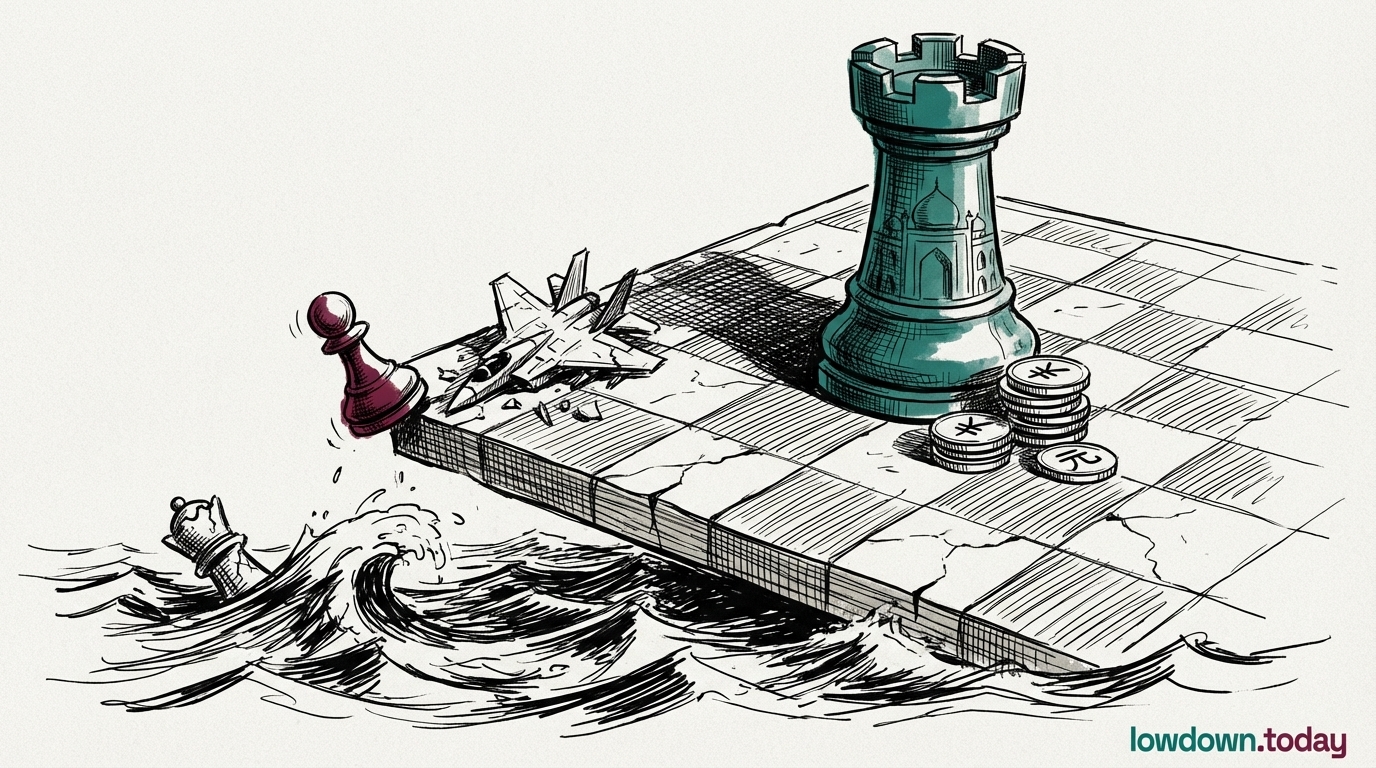
Ten more countries joined Pax Silica in June, the chip-coordination alliance run from the US State Department that the EU signed up to with a $40bn American-chip commitment . The new members include the Netherlands and Germany, home respectively to ASML and the TSMC-led Dresden fab, alongside Greece, several Latin American states and Estonia as an observer.

Pax Silica exists to harmonise export-control policy across allied chip producers around a US-set agenda. The June intake brings into one Washington-run framework the two European states that matter most to advanced chipmaking: the Netherlands, which hosts the only maker of leading-edge lithography tools, and Germany, where Europe's flagship new fab is rising. Their semiconductor policy now sits inside an American coordination structure at the very moment Brussels is trying to pin down what European sovereignty means.

The arrangement reads oddly beside the US bill targeting ASML: a country can be a Pax Silica partner and a target of American chip legislation in the same week. Members are already uneasy about how much discretion they have handed Washington, a worry that sharpens once the same alliance reaches into the EU's own compute funding.


Deep Analysis

In plain English

Pax Silica is a club of countries organised by the US State Department to coordinate policy on computer chips, especially on which countries can buy the most advanced chips and which ones are blocked. Think of it as a trade alliance specifically about semiconductors. The EU joined in June as part of a deal that committed Europe to buying at least $40bn worth of American chips. Ten more individual countries joined in the same month, including the Netherlands, which is home to ASML, and Germany, which is building a major new chip factory with Taiwan's TSMC. The awkward part is that both countries joined this alliance at exactly the time the US is advancing a bill that would override the Netherlands' own right to decide what ASML can sell to China.

What could happen next?
  • Consequence

    Germany and the Netherlands' Pax Silica membership creates a political obligation to support US chip-supply policy that directly conflicts with their stated objection to the MATCH Act's override of Dutch export licensing authority.

    Short term · Assessed
  • Risk

    The $40bn American-chip commitment locks EU procurement toward US AI accelerator suppliers for the period in which EU-designed alternatives from ESMC or other European fabs are not yet at volume.

    Medium term · Reported
  • Precedent

    A US-convened chip alliance with purchase commitments and a Cooperation Agreement carve-out into EU compute funding establishes a template for technology blocs that bypass WTO procurement neutrality without treaty obligations.

    Long term · Reported
First Reported In

Update #10 · Digital euro to trilogue; Senate bars CBDC

Electronics Weekly· 30 Jun 2026
Read original
Different Perspectives
Oil traders
Oil traders
Sent Brent down 2.29 per cent to $98.38 a barrel on reports that mediation was reviving, moving the price on CENTCOM's quiet night rather than on Trump's same-day promise of a bigger operation with no deadline attached.
Iran
Iran
An Iranian official called the same mediation account completely misleading, denying it received any US proposal via Baghdad on the same day Iraq denied delivering one, leaving neither denial able to settle what actually passed between the two capitals.
Iraq
Iraq
Called groundless the New York Times account that its prime minister carried a US ceasefire proposal to Tehran, a denial that also protects Baghdad's effort to avoid becoming a party to a war fought by aircraft it does not control.
OHCHR
OHCHR
Recorded 17 civilian seafarer deaths since the war began, a population neither the Pentagon nor Iran's Health Ministry counts in its own tally, and called for urgent action on 6,000 crew stranded across roughly 400 vessels in the Strait of Hormuz.
Houthis
Houthis
Enforced the blockade on Saudi-linked shipping it declared on 20 July by hitting the NCC Masa and then an Aramco facility at Jazan, moving from radio warnings to strikes on land after four days without a confirmed hit.
Saudi Arabia
Saudi Arabia
Struck Houthi military sites near Hodeidah the same day the NCC Masa was hit, while its coalition spokesman insisted Hodeidah, Ras Issa and Salif all remain open to navigation. The distinction protects the ports Yemen's population depends on for food and fuel even while punishing the group behind the tanker strike.



