Skip to content
Briefings are running a touch slower this week while we rebuild the foundations.See roadmap
Iran Conflict 2026
24MAR

Iran War Burns Through Pacific Missile Reserves

3 min read
05:37UTC

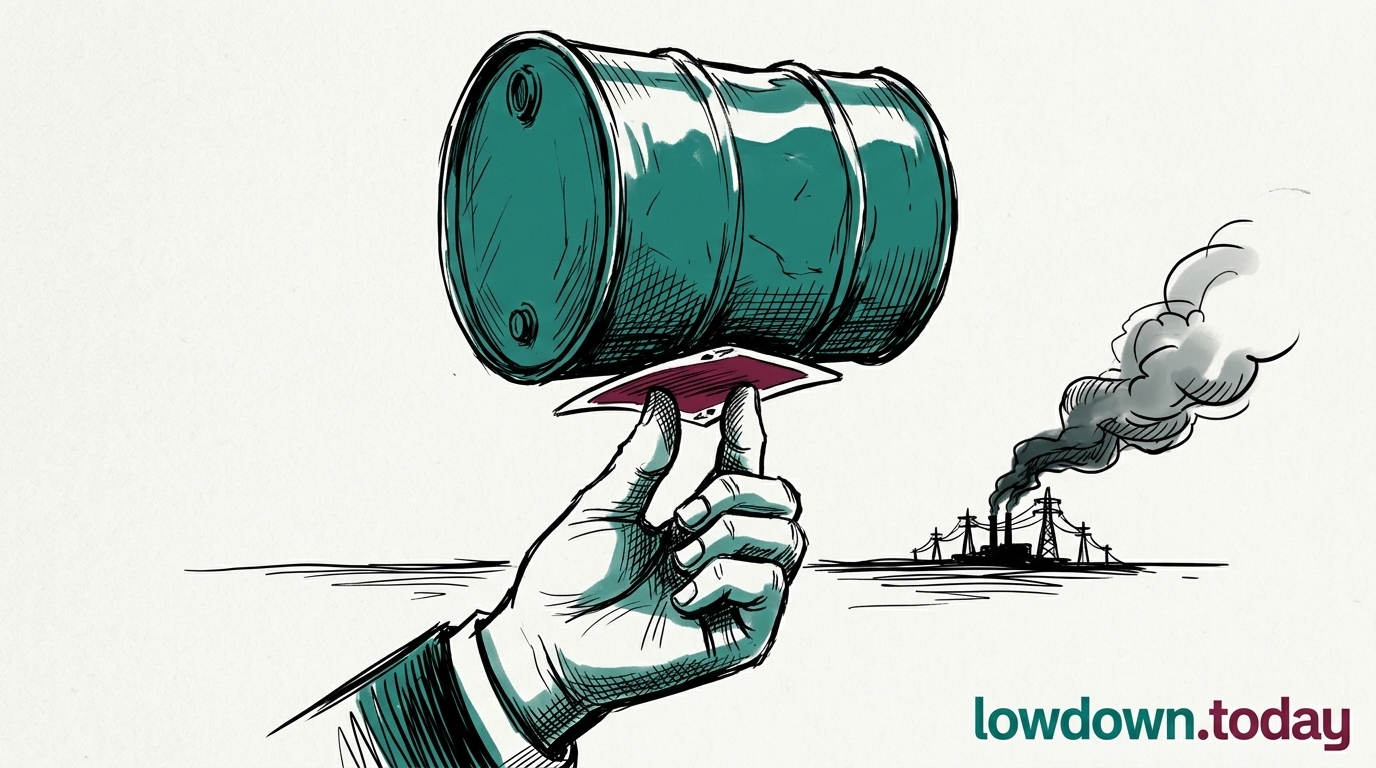
The US has fired more cruise missiles into Iran in four weeks than it can build in two and a half years. The replacements were earmarked for a China contingency.

ConflictDeveloping
Key takeaway

Pacific deterrence is being spent in Iran faster than production can replace it.

Bloomberg reported on 4 April that the US has fired more than 1,000 JASSM-ER cruise missiles in the first four weeks of Operation Epic Fury. The missiles were drawn from stockpiles previously allocated to Pacific Command for a potential Taiwan contingency. 1

Annual JASSM-ER output stands at 396, expandable to 860 under surge capacity. At 1,000 consumed in 28 days, the Iran war is burning through 2.5 years of planned production each month. Total funded inventory since 2009: just over 6,200. The restock gap runs 18 to 30 months under even the most optimistic surge scenario.

Combined with Arrow-3 interceptors at 81% depletion and THAAD stocks within one month of exhaustion, the US is simultaneously drawing down its primary standoff strike capability and its missile defence inventory. No emergency resupply announcement has been made for any of these systems. The RUSI report that documented 11,294 munitions expended in the campaign's first 16 days at $26 billion now has a sequel: the specific weapon designed for a Taiwan Strait scenario is being consumed at a rate that leaves the Pacific defenceless through at least mid-2028.

Pentagon officials declined to comment. China does not need classified intelligence to calculate what this means. Bloomberg published the numbers.


Deep Analysis

In plain English

The US had a stockpile of advanced cruise missiles that it was keeping in reserve to deter China from invading Taiwan. It has now used more than 1,000 of those missiles in the Iran war in just four weeks. America makes only about 400 of these missiles per year, even at maximum factory effort. Replacing what was used will take at least two years. During those two years, the missiles that were supposed to stop a China attack on Taiwan are not available. China's military planners can read the same news report that Bloomberg published.

Deep Analysis
Root Causes

JASSM-ER is built at a single Lockheed Martin facility in Troy, Alabama. The production bottleneck is tooling and component supply, not labour or willingness. The US decision to deprioritise precision munitions production following the Cold War and to rely on just-in-time inventory assumptions left the industrial base unable to surge beyond 860 units annually on any notice period shorter than 18 months.

The Pacific Command allocation problem is structural: JASSM-ER is the primary weapon for the US Air Force's anti-access/area denial penetration concept in a Taiwan scenario, designed to defeat Chinese S-400 equivalents from beyond their engagement range. No alternative weapon with equivalent standoff range and payload exists in current US inventory, meaning the depletion has no near-term tactical substitute.

What could happen next?
  • Risk

    Pacific deterrence is materially degraded for 18-30 months regardless of how the Iran conflict ends, creating a window Chinese strategic planners can observe and potentially exploit.

  • Consequence

    The $200 billion war supplemental debate in Congress will now include a Pacific industrial base dimension, potentially increasing the final figure and the political complexity.

First Reported In

Update #59 · Day 37: A Ground War Inside Iran That Nobody Will Name

Jerusalem Post / Bloomberg· 5 Apr 2026
Read original
Different Perspectives
IAEA
IAEA
Director General Rafael Grossi appeared in person at the UNSC on 19 May and warned that a direct hit on an operating reactor 'could result in very high release of radioactivity'. The session produced a condemnation record but no resolution, and the Barakah perimeter was already struck on 17 May.
Hengaw (Kurdish rights monitor)
Hengaw documented three judicial executions and the detention of Kurdish writer Majid Karimi in Tehran on 19 May, establishing Khorasan Razavi province as the newest geography in Iran's wartime judicial record. The organisation's Norway-based operation continues to surface a domestic repression track running in parallel with every diplomatic and military development.
India
India
Six India-flagged vessels conducted a coordinated cluster transit under PGSA bilateral assurances during the 17 May window, paying no yuan tolls. New Delhi's inclusion in Iran's state-to-state passage track insulates Indian energy supply without requiring endorsement of the PGSA's yuan-toll architecture or alignment with the US coalition.
Pakistan
Pakistan
Pakistan is the only functioning diplomatic bridge between Tehran and Washington. Its role is relay, not mediation in the settlement sense: it conveyed Iran's 10-point counter-MOU in early May, relayed the US rejection, and is now passing 'corrective points' in the third documented exchange of this sub-cycle without either side working from a shared text.
UK and France (Northwood coalition)
Twenty-six coalition members have published no rules of engagement eight days after the Bahrain joint statement; Lloyd's underwriters have conditioned war-risk reopening on written ROE from either Iran or the coalition. Italian and French mine-countermeasures deployments are operating on the in-water clearance task CENTCOM Admiral Brad Cooper's 90% mine-stockpile claim does not address.
Saudi Arabia
Saudi Arabia
Riyadh has not publicly commented on the Barakah strike or the 50-47 discharge vote. Saudi output feeds the IEA's $106 base case; the $5 Brent premium above that model reflects institutional uncertainty no Gulf producer can compress through supply adjustment alone.



