Skip to content
You can now search across every topic, entity and event.What's new
Iran Conflict 2026
10AUG

Iran writes Hormuz toll into statute

3 min read
23:27UTC
ConflictDeveloping

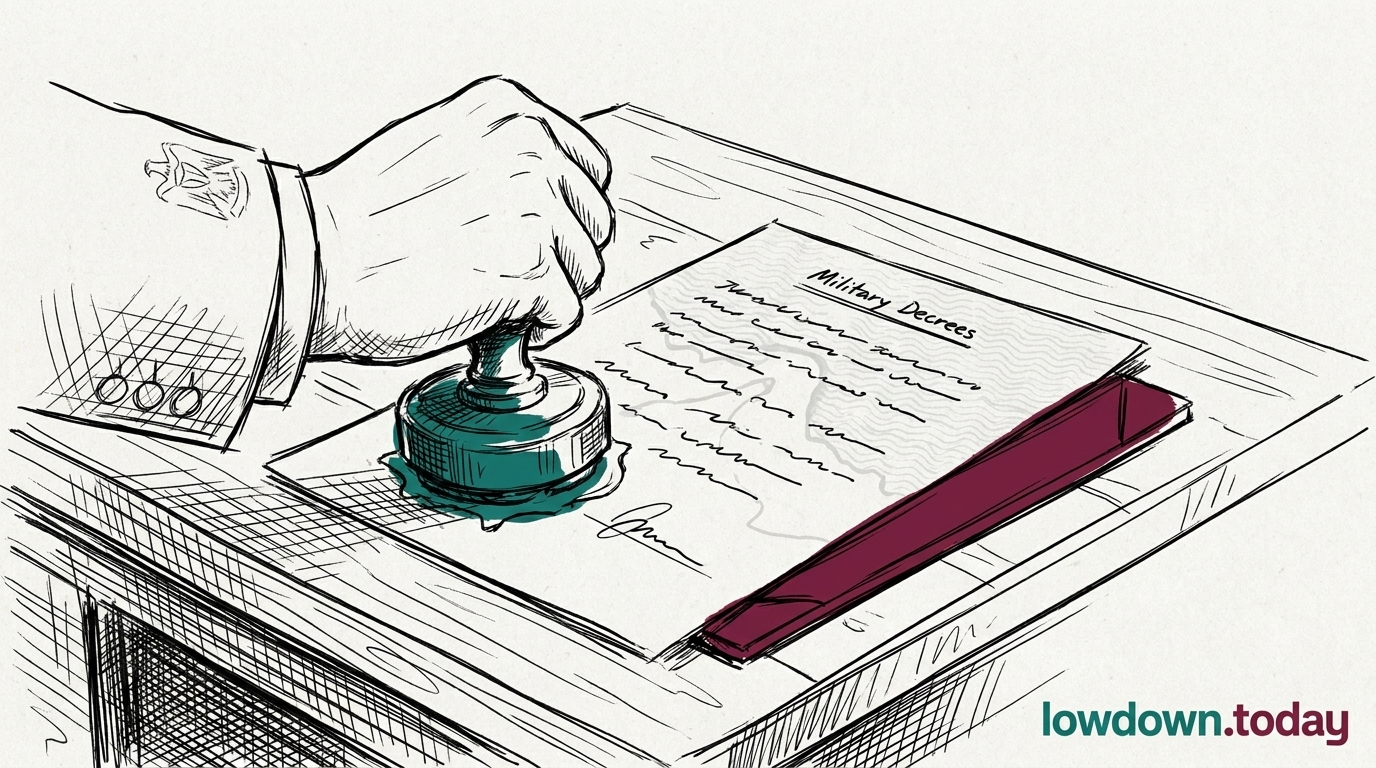
Iran's Islamic Consultative Assembly (the Majlis) is drafting legislation to formalise the strait of Hormuz toll as Iranian domestic law, with finalisation due next week, according to an unnamed lawmaker cited by Fars News Agency. 1 The bill would codify what began as an IRGC field improvisation into statute, transforming a wartime military mechanism into a permanent legal claim over one of the world's critical waterways.

The significance of the timing cannot be overstated. IRGC Navy Commander Admiral Alireza Tangsiri, the man who personally built the toll and vetting system from scratch, was killed in an Israeli airstrike hours before this legislation was publicly confirmed. He was killed at 3am on Wednesday. By that afternoon, the Majlis legal committee in Tehran was drafting his toll system into permanent law. Twenty-six vessels have now transited under the IRGC vetting regime; operators submit IMO numbers, cargo manifests, and crew names to IRGC-connected intermediaries, receive a clearance code, and follow an approved route under escort past Larak Island. At least two paid in Chinese yuan. India continues to transit while denying it pays. 2

Iran's UN representative told the IMO this week that vessels linked to 'aggressor parties' have forfeited the right of innocent passage, the international law principle that merchant ships may transit straits freely. 3 Iran frames its vetting system not as a blockade but as legitimate self-defence, a framing designed to survive any post-ceasefire legal challenge.

The closest historical parallel is Egypt's 1957 Suez Canal nationalisation law, which survived the tripartite invasion and became the permanent legal basis for Egyptian canal authority. Iran appears to be following the same playbook: establish physical control during a crisis, then legislate before the crisis ends, so that any resolution begins from the new legal baseline rather than the pre-war status quo. The right of innocent passage existed for decades before this week. Iran told the IMO it no longer applies to hostile parties. If that position is codified in domestic law, every future negotiation over Hormuz will begin from the position that Iran holds a legal claim, not merely a physical one.

Deep Analysis

In plain English

Iran is writing a law that says it can permanently charge ships to pass through the Strait of Hormuz, not just during the war. About 20% of the world's oil travels through this narrow waterway. If that law passes, every barrel of oil, every container of goods, and every tonne of grain that moves through the strait costs more, because a toll gets baked into the price. That cost eventually lands on consumers worldwide in fuel prices, heating bills, and food costs. The clever part, from Iran's perspective, is that a law is much harder to undo than a military order: bombing a toll booth is one thing, repealing another country's legislation is something else entirely.

Deep Analysis
Root Causes

Iran is not merely closing a strait but creating a domestic legal framework that will require treaty-level renegotiation, not just military pressure, to dismantle.

The Majlis drafting process converts a wartime military mechanism into permanent domestic statute. Once codified, reversal requires legislative repeal, not military defeat.

The underlying structural cause is Iran's three-sided physical control of the strait, which no military operation can alter without permanent occupation.

First Reported In

Update #49 · Hormuz toll into law; Tangsiri killed

Bloomberg· 27 Mar 2026
Read original
Different Perspectives
Yemen's internationally recognised government and affected communities
SABA reported at least 17 soldiers killed at Saudi-backed camps in eastern Yemen as tanker use of Bab el-Mandeb fell. The fighting adds civilian and supply risks to a route ships use when Hormuz is unsafe.
Shipping and insurance market
Lloyd's List Intelligence counted 84 Hormuz transits in the week to 7 August, against more than 700 in normal conditions. Vessel operators and underwriters need verified passage rules and a lower attack risk before regular sailings return.
United States Treasury
The US Treasury designated five Iranian individuals and ten entities, including crypto exchanges and wallet addresses, on 7 August. Washington is applying financial pressure while Iran asks for sanctions relief before reopening Hormuz.
United Arab Emirates
The UAE said an Iranian missile targeted an ADNOC-owned vessel on 8 August. Abu Dhabi's claim puts its state energy fleet inside the dispute, though the incident's details remain unresolved.
Oman
Oman
Oman and Iran agreed discussions on monitoring, environmental protection, maritime services and crime, while excluding transit fees. Muscat's role is operational mediation, but it cannot settle demands directed at Washington.
Iran's Supreme National Security Council
Iran's Security Council published six conditions for reopening Hormuz, including sanctions relief and frozen assets. Tehran treats maritime access as part of a wider settlement rather than a shipping-only arrangement.