Skip to content
You can now search across every topic, entity and event.What's new
Iran Conflict 2026
7AUG

A 20% fine, and fees paid in rial

3 min read
12:08UTC

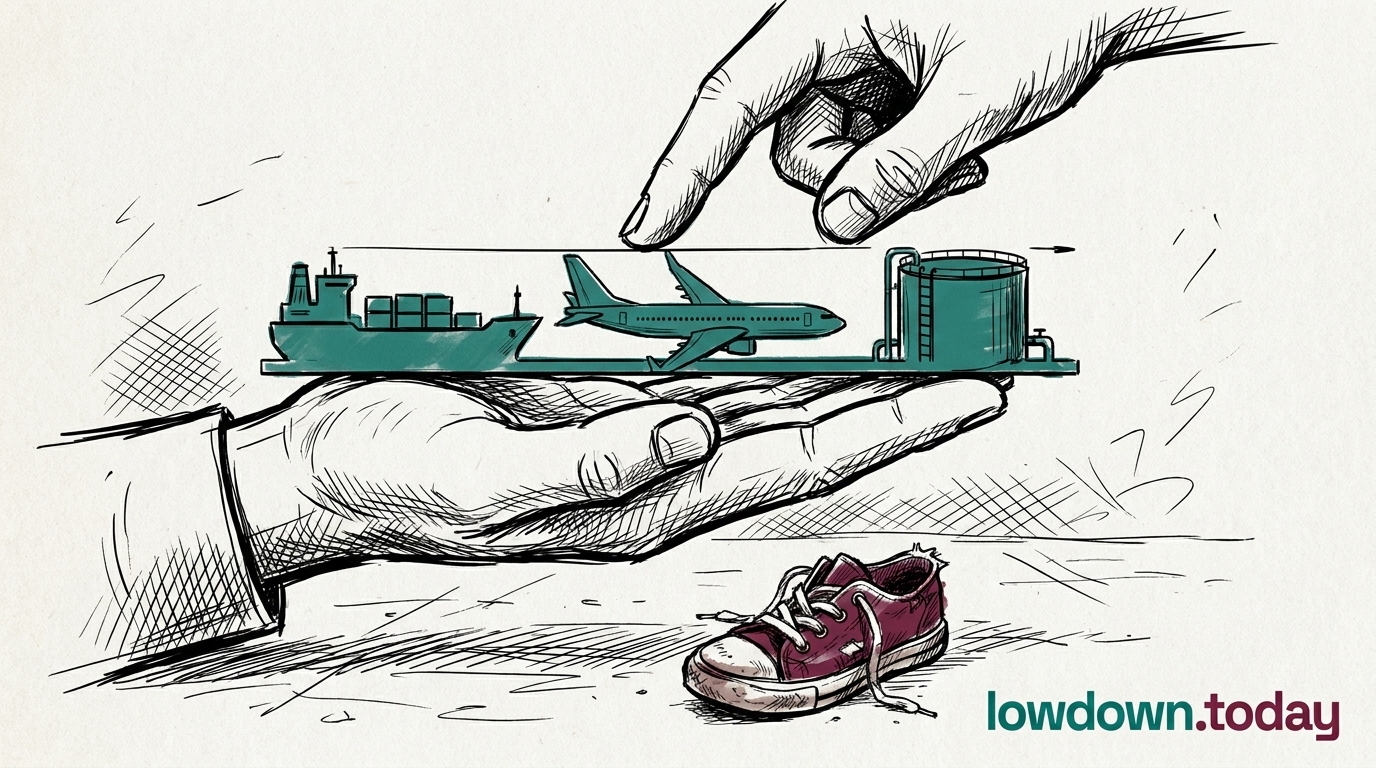
Iran's parliament is merging twelve Hormuz bills into one text that would bar Israeli-linked cargo until compensation is paid, fine offenders a fifth of cargo value and charge navigation fees in rial.

ConflictDeveloping
Key takeaway

A toll payable only in rial can stop a ship a larger dollar toll would not.

Iran's Majlis, the country's elected parliament, is reviewing an expanded Hormuz traffic-restriction bill through its National Security and Foreign Policy Commission 12. CNN, citing Fars, reports that the current text bars any military or civilian cargo linked to vessels connected with Israel, or to any country or entity Iran judges to have caused it damage, from transiting until compensation is paid 3. Fines would run to 20 per cent of a vessel's cargo value, and navigation fees for vessels allowed through would be denominated in rial 4. Mehr and ICANA, the parliament's own news site, record twelve separate Hormuz bills, nine on the strait and three amending maritime-zones law, going to that commission for merger, with three subcommittees splitting criminal liability, maritime transport and revenue management between them 56. The originating proposal came from MP Mansour Alimardan in March 2025, as a sanctions countermeasure.

This runs on a separate track from the negotiation with Oman, and Fars itself draws the line between the two 7. The negotiated track stays reversible and unwritten. A statute would bind Iranian courts from the day it passed, whatever any corridor understanding said.

Two clauses do work no fee schedule does. The first leaves the trigger inside Tehran: cargo linked to "any country or entity Iran deems to have caused it damage" has no external test and no published list. A charterer fixes a voyage, committing a named ship to a named cargo on agreed terms, weeks ahead of loading. A prohibition that can attach after the fixture on a political judgement cannot be written into a freight rate, so the cargo does not get fixed at all.

The second clause turns on the currency. An owner in Athens or Singapore can raise dollars against a percentage fee. Sourcing rial in size, through banks that will not clear Iranian currency, becomes a compliance problem before it is ever a cost, and the compliance ground has been narrowing: the US Treasury designated two Iranian marine insurance providers on Thursday 30 July . A modest toll payable only in rial can therefore stop a ship that a much larger dollar toll would not.


Deep Analysis

In plain English

Iran's parliament, the Majlis, is reviewing a bill that would let Iran block ships linked to Israel from the Strait of Hormuz and fine other ships up to a fifth of their cargo's value if Iran judges they caused it harm. Twelve related bills have been merged into one text and split between three parliamentary subcommittees. This is a separate process from the Oman-mediated talks Iran's foreign ministry is running on the same waterway. The Majlis bill is the harder-line version, reflecting Iran's parliament rather than its negotiators.

Deep Analysis
Root Causes

Iran's parliament can legislate independently of the executive's negotiating position, so the Majlis and the foreign ministry can pursue contradictory Hormuz policies at once without either being able to bind the other.

The bill's core mechanism, fines and cargo bars applied to any state Iran judges to have caused it damage, rests on Iran's own unilateral determination of liability rather than an agreed legal standard. That is the same gap in international transit law, Iran's non-ratification of the treaty guaranteeing transit passage through straits, that underlies its other Hormuz claims.

Escalation

Direction: hardening on the legislative track while the executive track reports preliminary approval on a milder draft . The two tracks are moving in opposite directions within the same week.

What could happen next?
  • Risk

    Passage of the Israel cargo bar would give the US and allied shippers a concrete reason to treat the bill, not the Oman talks, as Iran's operative Hormuz policy.

First Reported In

Update #167 · Riyadh names its next targets; Najran is hit

CNN· 7 Aug 2026
Read original
Different Perspectives
Turkiye
Turkiye
Erdogan followed the Pakistani delegation to Jeddah for an instrument that has not been signed. Ankara's entry widens Saudi Arabia's defence architecture beyond the existing Pakistan pact, adding a second non-Gulf military partner mid-conflict.
Oman
Oman
Muscat is the corridor's broker but has published nothing about the arrangement Fars describes on its behalf. The account leaves Oman administering outbound traffic only, a narrower role than the shared route its mediation has rested on since 1979.
Pakistan
Pakistan
Islamabad sent Sharif, Munir and Dar to Jeddah to widen a defence commitment it has honoured in cheaper registers since March, when Dar invoked the Saudi mutual defence pact. Jeddah tests whether that hedge becomes a binding trilateral instrument with Turkiye.
United States
United States
Washington rejected the Majlis Hormuz bill outright while CENTCOM's own tally kept climbing to 49 vessels redirected since 14 July. Both instruments tightened in the same week Trump promised the strait would reopen soon.
Iran
Iran
Iran's foreign ministry is selling a phased Hormuz corridor through Oman and denying any percentage cargo tariff, while its own Majlis is legislating fines to 20% and a bar on Israeli-linked cargo. The two accounts, from the same government, do not agree with each other.
Saudi Arabia
Saudi Arabia
Riyadh published a target forecast, not an attribution, for the campaign it says the Najran strike previewed. That keeps an Article 51 case available while it formalises a trilateral defence architecture with Pakistan and Turkiye.



