Skip to content
Welcome, thoughtbot's Giant Robots listeners!Start here
Iran Conflict 2026
31JUL

Ghalibaf says Iran will not fold

2 min read
09:24UTC

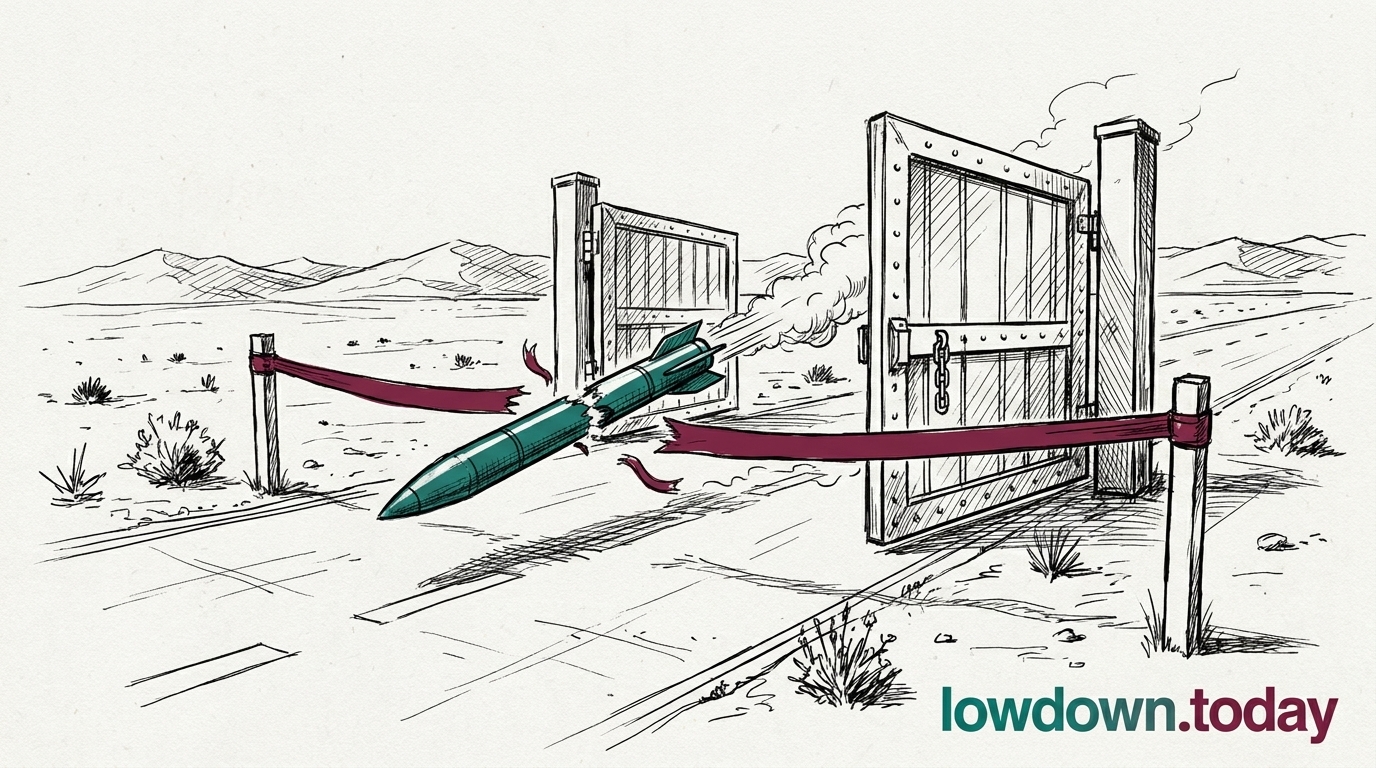
Mohammad Bagher Ghalibaf, Iran's parliamentary speaker and chief negotiator, listed US breaches on X on 8 July and wrote 'we don't fold', the first senior official to call the memorandum violated on the record.

ConflictDeveloping
Key takeaway

Iran's negotiator has declared the memorandum violated, though the parliament he leads never ratified it.

Mohammad Bagher Ghalibaf, speaker of Iran's parliament and its chief negotiator, posted on X on Wednesday 8 July listing what he called US breaches of the memorandum: interference with Iran's Hormuz arrangements, threats of further strikes, reinstated oil sanctions and attacks on southern Iran. 'We don't fold,' he wrote, declaring an end to what he called an era of bullying and extortion⁠1. He is the first named senior official, beyond the foreign ministry spokesman, to declare the memorandum violated on the record, and his statement lands days after Donald Trump called the deal over.

What Ghalibaf calls violated the Majlis never ratified. Iran's parliament was never asked to vote the Islamabad memorandum through as a treaty, which is why hardline MPs Abootorabi and Nabavian are threatening an Article 77 constitutional complaint rather than a withdrawal motion⁠2. The complaint would target the government for binding Iran to a text parliament never approved. The escalation runs through the executive and through public statements, not the parliamentary record.


Deep Analysis

In plain English

Mohammad Bagher Ghalibaf is the speaker of Iran's parliament (the Majlis) and was Iran's lead negotiator on the ceasefire deal with the US, known as the Islamabad memorandum. He has now said publicly that the US broke that deal and that Iran will not back down. Separately, two hardline members of parliament are threatening to use a constitutional rule, Article 77, to argue the deal was never legally binding in the first place because parliament itself never voted on it. Together, these moves suggest Iran's political establishment is hardening its position, alongside its military.

Deep Analysis
Root Causes

Article 77 of Iran's constitution requires the Majlis to ratify international treaties; the Islamabad memorandum was signed as an executive-level understanding, not a treaty, leaving hardline MPs Abootorabi and Nabavian a genuine constitutional lever to argue it never bound Iran domestically.

The succession crisis compounds the legal gap: with Mojtaba Khamenei absent from public view since his father's funeral and reportedly injured, no figure with unquestioned authority has stepped in to overrule Ghalibaf's reading of the memorandum, leaving the Majlis speaker's interpretation effectively unchallenged.

What could happen next?
  • Consequence

    If the Article 77 complaint advances, it gives Iran's negotiators formal domestic cover to abandon the memorandum's terms without appearing to break faith with Washington unilaterally.

First Reported In

Update #150 · Second US strike wave, first heavy toll

bne IntelliNews· 9 Jul 2026
Read original →
Causes and effects
This Event
Ghalibaf says Iran will not fold
With its chief negotiator now calling the memorandum violated, Tehran has taken its hardest public line since June, even though parliament never ratified the deal.
Different Perspectives
United States (Joint Maritime Information Center)
The JMIC, the US-led naval reporting cell, rated the Hormuz threat "severe" in its 25 October advisory, as reported by gCaptain, and warned of possible renewed mining. Eight days earlier it found no substantiation for the Guards' mine claims, while US-facilitated transits ran at about 34 a day.
United Kingdom (CPS and Counter Terrorism Policing)
The CPS charged two men under the National Security Act 2023 over the RAF Fairford incident, and Counter Terrorism Policing said it believes the foreign intelligence service involved is Iran's, LBC reported. The case now runs through the courts; both men are charged, not convicted.
Aden and Yemen's recognised government
The Houthis told people to leave Aden airport, in the government-held south, before a missile fell there on 28 October, AFP reported, and police reported a second attack that afternoon. The fight between Riyadh and the Houthis is landing on the south's main civilian airport.
Qatar (mediators)
Qatar (mediators)
Qatar-led mediators put new terms to Iran this week, which an Iranian official called "ideas, not a proposal". Riyadh framed the Tehran meeting as support for Qatari and Pakistani mediation, keeping Doha at the centre of the indirect channel.
Korea Shipowners' Association
The association said the ships Iran listed were sub-chartered to an overseas oil company, not owned by Sinokor, carried no South Korean crew, and that Sinokor was unaware of the warning. South Korea's shipowners are contesting whose vessels the notice covers before it takes effect.
Kuwait (foreign ministry)
Kuwait summoned Iran's ambassador, Mohammad Toutounji, and handed him a protest note over the embassy's denial that its citizen took part in the alleged plot against Interior Minister Fahad Al-Yousef. Kuwait is answering through its courts and a diplomatic protest, citing international law and the UN Charter.

Written with AI from Lowdown's published reporting. Not individually reviewed by an editor. Editorial standards.