Skip to content
You can now search across every topic, entity and event.What's new
Iran Conflict 2026
31JUL

EU clears its 21st sanctions package

2 min read
09:24UTC

All 27 EU member states approved the bloc's 21st Russia sanctions package on 23 July after Slovakia dropped a hold-out tied to a 2028 gas phase-out guarantee.

ConflictDeveloping
Key takeaway

The EU passed its 21st Russia package, but one veto capital at a time keeps stalling it.

All 27 EU member states approved the bloc's 21st Russia sanctions package on 23 July, eight days after it failed to clear a Coreper vote 1. Coreper is the committee of national ambassadors that prepares Council decisions in Brussels, so its 15 July rejection had left the package stalled short of adoption. Slovakia was the hold-out, and it dropped its objection after winning assurances on a 2028 guarantee for phasing out Russian gas.

The package freezes a price-cap-adjacent mechanism for twelve months, so a rising oil price cannot automatically hand Moscow a higher cap. That matters because the sanctions architecture ties the reference price to the market: without the freeze, the recent crude rebound would have loosened the very ceiling the cap was built to hold down.

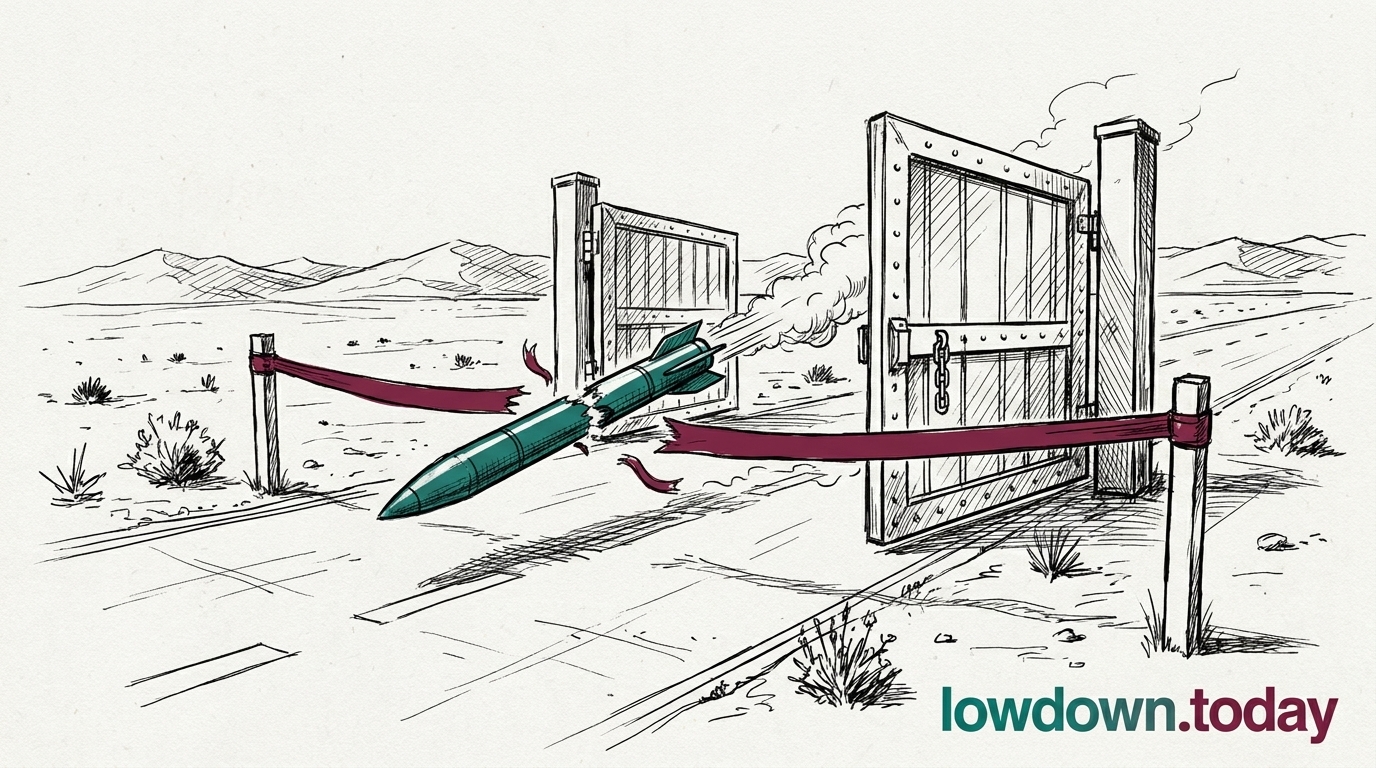
The obstruction changed seats but not shape. Hungary had blocked two of Ukraine's EU accession clusters only six days earlier , and the sanctions round has now stalled on one capital at a time twice running. Every member holds an effective veto on foreign policy, so a single government can delay the bloc's Russia measures for a fortnight; the pattern adds friction to each package rather than defeating it, and the next one starts with the same single point of failure.


Deep Analysis

In plain English

The EU can only sanction Russia if all 27 member states agree, giving each one an effective veto. On 23 July they approved a 21st package of sanctions after Slovakia, which depends on Russian pipeline gas, dropped its objection in exchange for a guarantee that supplies will be phased out gradually by 2028 rather than cut off suddenly. This pattern, one country holding up the whole bloc until it gets a concession, has repeated through most of the war's sanctions rounds.

Deep Analysis
Root Causes

The EU's Common Foreign and Security Policy requires unanimity for sanctions under Article 31 of the Treaty on European Union, a procedural veto point unrelated to any state's economic size or war exposure; Slovakia's leverage came entirely from that rule, not from a special claim on Russia policy.

Slovakia's specific holdout is grounded in a Druzhba pipeline dependency covering roughly 80% of its crude supply; a state with that structural energy dependency can credibly threaten to block any measure that raises its own import costs, which is why the resolution took the form of a multi-year phase-out rather than a flat refusal.

What could happen next?
  • Precedent

    Slovakia's 2028 gas guarantee sets a template for future holdouts to extract multi-year carve-outs rather than one-off exemptions.

  • Risk

    Austria's Rasperia asset demand and Greece's LNG re-export request remain unresolved, so the 22nd package will likely face the same single-state leverage pattern.

First Reported In

Update #25 · Ukraine rebuilds command as front freezes

The Moscow Times· 23 Jul 2026
Read original
Different Perspectives
Shipping and insurance underwriters
Underwriters can price Houthi strikes because the group announces its targets, but an unclaimed drone at Damietta and a mandatory Iranian insurance scheme both deny them a pattern to price against. War-risk premiums are increasingly being set by the absence of a claimant, not the scale of the damage.
Jordan
Jordan
Azraq absorbed its fourth Iranian strike in seven weeks, again drawing no direct Jordanian retaliation, only an American one. Amman's exposure, hosting US basing without the Patriot density of Gulf allies, has not changed even as the war around it widens.
Houthi movement
Houthi movement
The Houthis' 20 July blockade of Saudi-linked shipping is the injury Riyadh's new 43-nation coalition directly answers, yet the group itself was never asked to join and remains outside every proposal on the table. Sanaa-aligned commentators call the coalition a paper reassurance for insurers rather than a deployable force.
Egypt's Cabinet
Egypt's Cabinet
Egypt confirmed the Damietta blaze was an attack, not an accident, on soil the war had never touched before. Cairo now faces an unclaimed threat to a facility supplying roughly 7% of its domestic gas, with no author to hold accountable and no pattern yet to defend against.
Oman
Oman
Muscat is running the only channel Iran will use, a voluntary Hormuz fee modelled on Malacca, but stayed out of Saudi Arabia's new naval coalition entirely. Oman's mediating leverage depends on treating Hormuz as shared and non-exclusive, the opposite of what Tehran is now demanding of it.
Iraq's Prime Minister
Al-Zaidi cancelled his first official Riyadh visit and convened the Coordination Framework, the coalition that keeps him in power and whose factions sit inside the PMF that Saudi jets just struck. He is caught between a five-year Saudi investment relationship and armed groups inside his own state he does not fully control.



