Skip to content
You can now search across every topic, entity and event.What's new
Iran Conflict 2026
31JUL

Blockade hits 121 ships, one holed

3 min read
09:24UTC

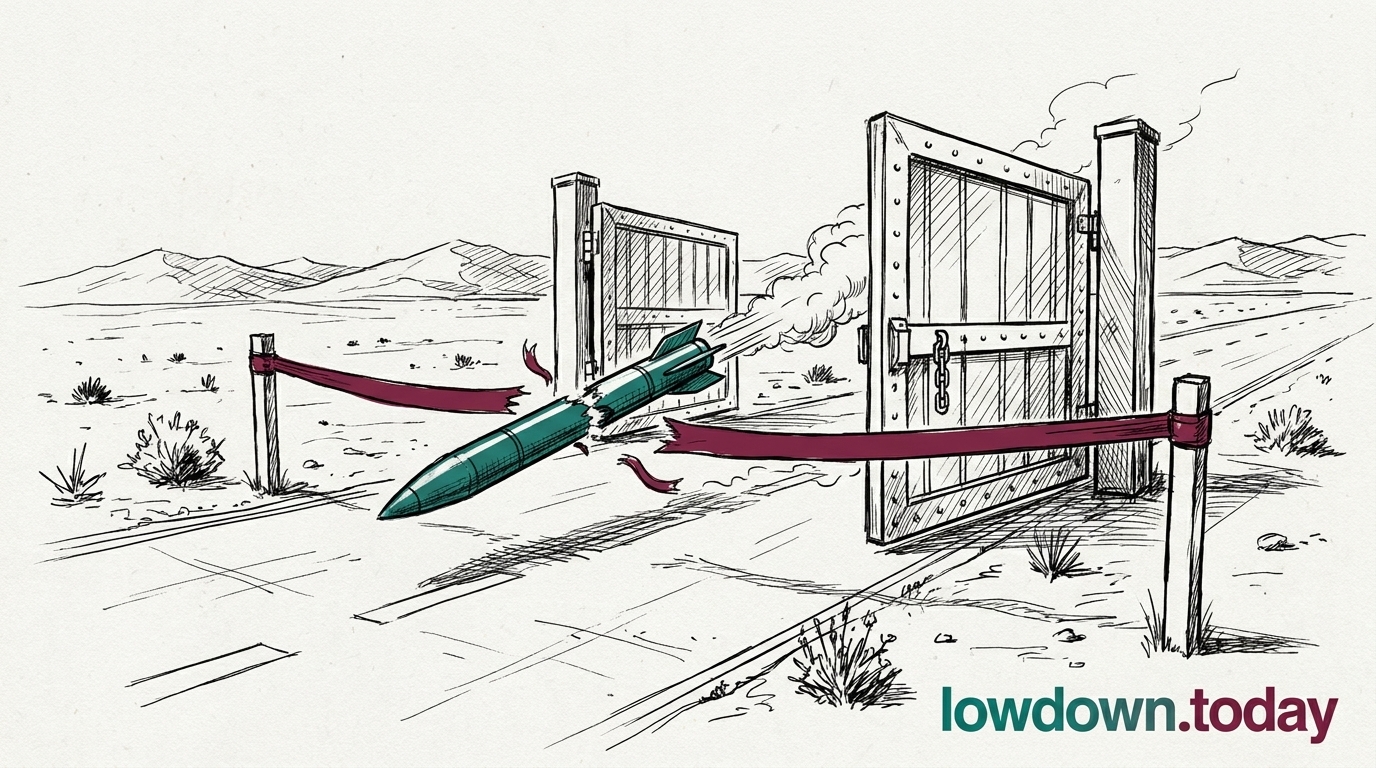
CENTCOM redirected 121 commercial vessels and disabled five to enforce the US blockade on 1 June; the container ship MSC Sariska V was holed by an unidentified projectile in the Gulf.

ConflictDeveloping
Key takeaway

The US naval blockade widened to 121 redirected ships even as the negotiating channel froze.

CENTCOM (US Central Command) confirmed on Monday 1 June that it had redirected 121 commercial vessels and disabled five ships to enforce the US blockade, up from the 116 redirections it logged on 30 May 1. CENTCOM is the US military command running operations across The Gulf. It redirected 121 vessels yet disabled only five, a roughly 4% kinetic share of the ships it stopped, which means most traffic is turned by warning rather than by fire.

The container ship MSC Sariska V was holed by an unidentified projectile in the Persian Gulf on 1 June, a large breach above the waterline, with no claim of responsibility 2. It is the third named commercial vessel struck after the Olympic Life and the Lian Star. No party has claimed the strike, so whether it was the IRGC, a proxy, or stray ordnance stays unconfirmed.

A blockade this wide raises war-risk premiums and, for European and Asian consumers, means dearer goods and slower deliveries. It widened on the precise day diplomacy briefly opened and slammed shut, with Iran's 09:56 talk suspension running in parallel above it. The militaries kept doing what they do regardless of the diplomatic whiplash overhead.


Deep Analysis

In plain English

CENTCOM (US Central Command) is the US military's regional command for the Middle East. It has been stopping commercial ships from entering Iranian ports since mid-April 2026, turning them away and in some cases disabling them. By 1 June it had redirected 121 ships and disabled five. A 'disabled' ship means it cannot move under its own power and must be towed, leaving crew stranded on board. Separately, the container ship MSC Sariska V was hit by an unknown projectile while sailing through the Persian Gulf. No country or group has said they did it. This is the third named civilian cargo ship to be hit in the conflict. When no one claims an attack on a merchant vessel, it complicates insurance claims and leaves the ship's operators, crew and cargo owners in legal limbo.

First Reported In

Update #115 · Iran moves first, Trump moves by phone

CBS News· 2 Jun 2026
Read original
Different Perspectives
Shipping and insurance underwriters
Underwriters can price Houthi strikes because the group announces its targets, but an unclaimed drone at Damietta and a mandatory Iranian insurance scheme both deny them a pattern to price against. War-risk premiums are increasingly being set by the absence of a claimant, not the scale of the damage.
Jordan
Jordan
Azraq absorbed its fourth Iranian strike in seven weeks, again drawing no direct Jordanian retaliation, only an American one. Amman's exposure, hosting US basing without the Patriot density of Gulf allies, has not changed even as the war around it widens.
Houthi movement
Houthi movement
The Houthis' 20 July blockade of Saudi-linked shipping is the injury Riyadh's new 43-nation coalition directly answers, yet the group itself was never asked to join and remains outside every proposal on the table. Sanaa-aligned commentators call the coalition a paper reassurance for insurers rather than a deployable force.
Egypt's Cabinet
Egypt's Cabinet
Egypt confirmed the Damietta blaze was an attack, not an accident, on soil the war had never touched before. Cairo now faces an unclaimed threat to a facility supplying roughly 7% of its domestic gas, with no author to hold accountable and no pattern yet to defend against.
Oman
Oman
Muscat is running the only channel Iran will use, a voluntary Hormuz fee modelled on Malacca, but stayed out of Saudi Arabia's new naval coalition entirely. Oman's mediating leverage depends on treating Hormuz as shared and non-exclusive, the opposite of what Tehran is now demanding of it.
Iraq's Prime Minister
Al-Zaidi cancelled his first official Riyadh visit and convened the Coordination Framework, the coalition that keeps him in power and whose factions sit inside the PMF that Saudi jets just struck. He is caught between a five-year Saudi investment relationship and armed groups inside his own state he does not fully control.



