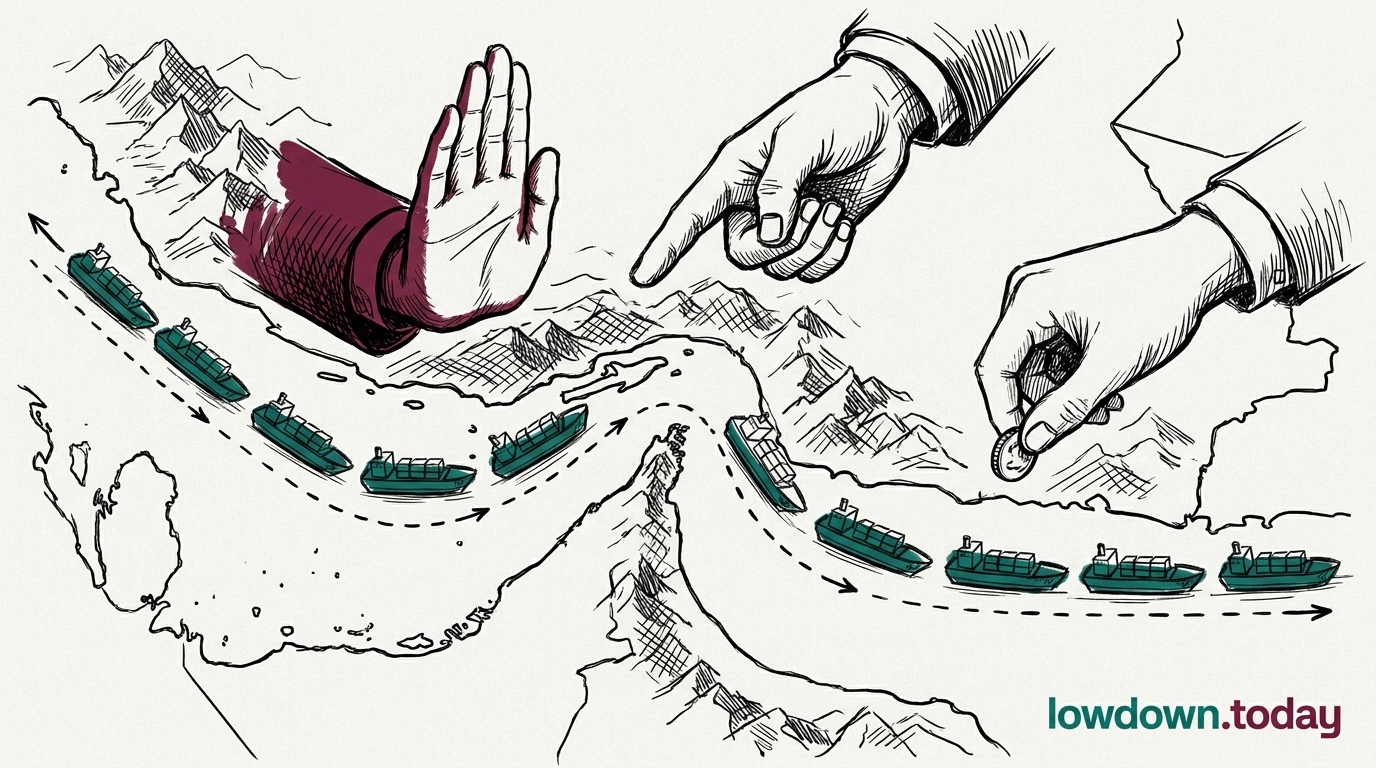
EU foreign ministers are set to vote on the bloc's 21st sanctions package on 13 July, two days before a 15 July deadline that would otherwise auto-lift the $44.10 cap on Russian oil. The Kyiv Independent reported the schedule, citing EU diplomats.1 The cap bars Western insurers and shippers from servicing Russian crude sold above the set ceiling; letting it lapse would remove that ceiling and loosen the constraint on Moscow's barrels.
The package advances the proposal the Commission tabled in late June, but the fight has narrowed to duration. Greece, backed by Cyprus and Malta, is pushing a three-month freeze to be revisited in the autumn, against the Commission's plan to hold the cap to January 2027. Both sides accept the level; they disagree only on how long to hold it.
A freeze to January 2027 locks the cap through the first quarter of next year; the three-month version reopens it for review around October. That is a materially shorter runway for any Urals-linked hedge than the desk has been pricing, and the outcome lands inside a week. Whichever way the vote goes, it resets how long traders can rely on the cap rather than the physical market to bound Russian barrels.


