Skip to content
You can now search across every topic, entity and event.What's new
Iran Conflict 2026
21JUN

Trump orders a DOJ oil-gouging probe

2 min read
17:51UTC

Trump ordered a Justice Department probe into oil-company gouging on 24 June, accusing firms of not cutting pump prices as Brent crude slid to $76.14.

ConflictDeveloping
Key takeaway

Brent fell to $76.14 on a partial Hormuz recovery, and Trump blamed refiners for pump prices that have not followed.

Donald Trump ordered a Justice Department probe into oil-company "gouging" on 24 June, accusing firms of not cutting pump prices as Brent crude slid to $76.14, down from $77.08 the day before 1. Brent is the benchmark that sets the price of roughly two-thirds of internationally traded oil, so its direction feeds quickly into petrol prices and the politics around them.

The decline extends the slide that began as Trump's peak Hormuz threats were priced out at $77.54 on 22 June . What the market is reading is the gradual return of tanker traffic following General License X and the IMO evacuation, with UAE oil exports rebounding to about 85 per cent of pre-conflict levels 2.

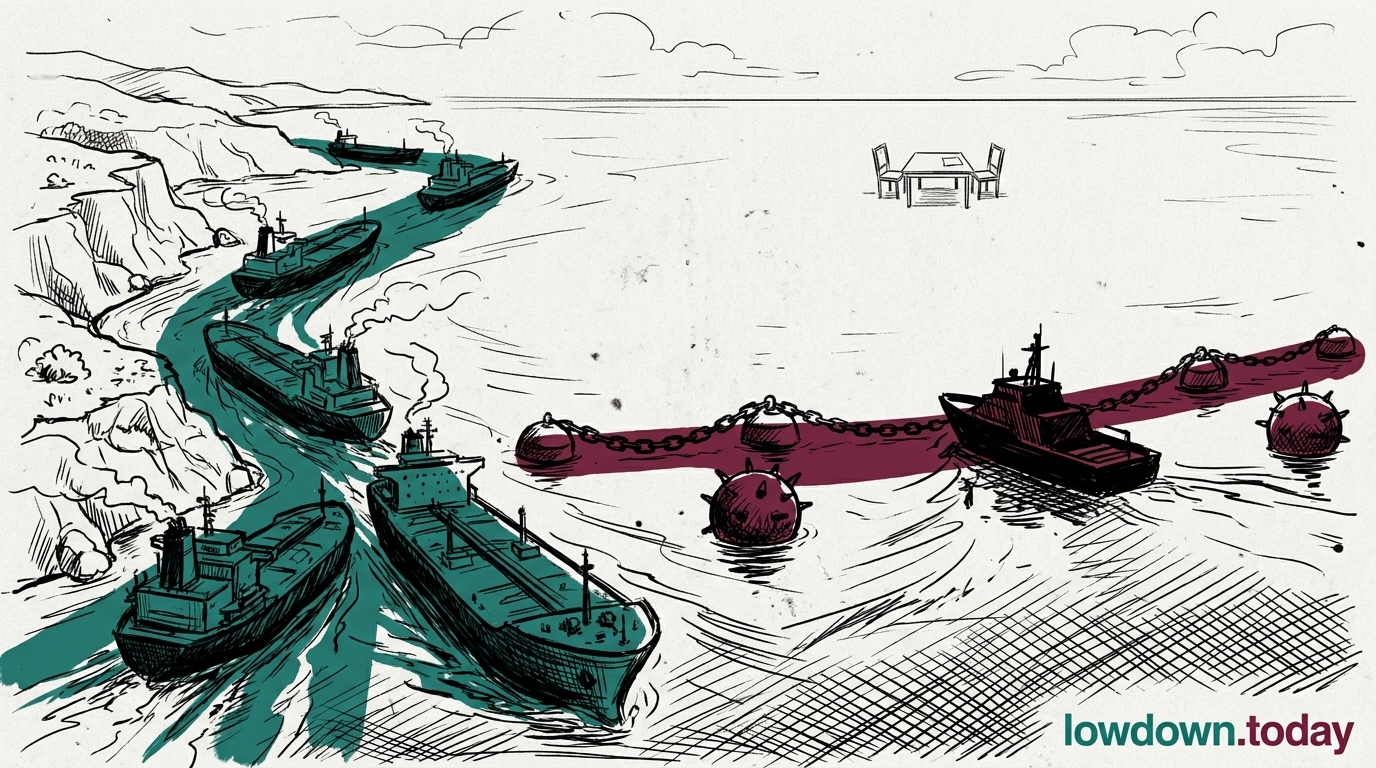
The pricing runs ahead of the physical reality. Mines remain in the navigable channels and P&I war-risk cover is still withdrawn, so the strait is recovering for rescue and selective trade rather than reopening in full. Trump's gouging probe blames refiners for a gap between falling crude and steady pump prices that the incomplete reopening, not corporate conduct, largely explains.


Deep Analysis

In plain English

On 24 June, the price of Brent crude oil; the global benchmark used to set energy costs worldwide; fell to $76.14 per barrel. That is down from $77.08 the previous day and roughly 36% below its peak during the worst of the conflict. The UAE has largely restored its oil exports to about 85% of what they were before the fighting. President Trump ordered the US Justice Department to investigate oil companies for 'gouging'; charging customers too much at the pump even as wholesale prices fell. Brent's decline reflects growing confidence that more tankers are moving through the Strait of Hormuz, though the strait is not fully open: mines still need to be cleared and shipping insurance has not fully returned.

First Reported In

Update #137 · Iran and Oman claim the strait; US says no

Trading Economics· 24 Jun 2026
Read original
Different Perspectives
Hengaw
Hengaw
The Norway-based monitoring group reported the Urmia executions of Omid Behzad and Pouria Safvat, the only source to do so, consistent with its documented pattern of recording far more executions than the Iranian state acknowledges. Iran's government has not confirmed either execution.
Shipping and insurance underwriters
War-risk premiums price the Houthi campaign because the group announces its targets in advance, but a reopening Trump has promised without a published text gives underwriters no benchmark to reprice Hormuz cover against. Insurers want a text before they move rates, not a promise.
Houthi movement
Houthi movement
Spokesman Yahya Saree claimed strikes on two tankers in the Red Sea and Gulf of Aden on 5 August, only one of which UKMTO could confirm. The group's campaign against shipping continues on its own schedule, independent of any Hormuz arrangement further north.
Oman
Oman
Muscat has brokered the coordinates both Tehran and Washington's wire sources now describe differently, but has published no account of its own. Oman's position depends on treating Hormuz as a shared route, which is not what Iran is currently describing.
United States Central Command
CENTCOM raised its interdiction tally from 35 to 44 redirected vessels and disclosed its first boardings on 3 August, the day before Trump promised a reopening. The command's own enforcement record does not yet reflect the release the President has described.
Iran's Foreign Ministry
Spokesman Esmaeil Baghaei described the agreed Hormuz coordinates as a wholly new corridor under Iranian management, not a split of the existing route, days after his own deputy rejected Oman's lane proposal. Tehran wants the arrangement read as a change of ownership, not a compromise on access.



