Skip to content
You can now search across every topic, entity and event.What's new
Iran Conflict 2026
21JUN

Brent sub-$95 prices a different market

3 min read
17:51UTC

Brent fell below $95 in the 28-29 May window on reports of a US-Iran ceasefire extension, with WTI near $92-93 and Brent-WTI compressed to roughly $2-3.

ConflictDeveloping
Key takeaway

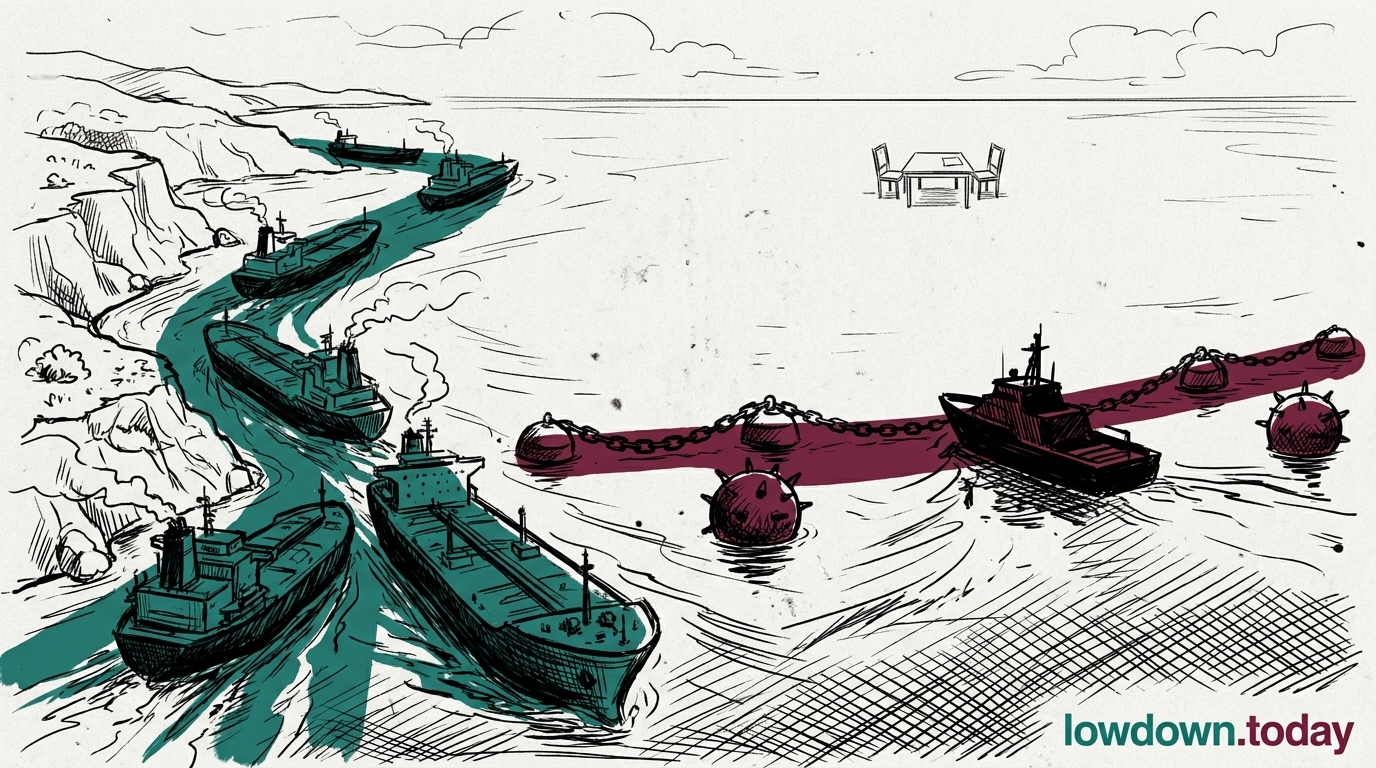
The screen prices the Iran ceasefire while the cracks price a physical shortage; the two are now reading different markets.

Brent fell below $95 in the 28-29 May window on reports of a US-Iran ceasefire extension awaiting Trump's sign-off, with WTI near $92-93 and the Brent-WTI spread compressed to roughly $2-3 1. The $14 move itself was the 26 May story ; the new element is that the screen kept leaking on ceasefire headlines while OFAC loaded GL 131F and the Iran SDN action underneath it on the same day.

The flat price and the light-sweet spread are unwinding the Hormuz risk premium. The product cracks are not, because they price barrels that are physically short rather than a war-risk option . The two are now reading different markets: the screen prices ceasefire optionality, the cracks price the inventory deficit, and a desk can be long the crack and short the flat-price premium without contradiction.

Saudi Arabia is expected to cut the July Arab Light OSP to Asia for a second straight month, per Reuters, with the official sheet due circa 1-5 June and not yet published 2. If the Asia cut lands, Asian refiners keep their Russian and Iranian discounts and more Gulf sour competes into Europe, which would press Med sour differentials and the Urals discount lower. Aramco has not published, so the cut belongs in the watch column as an expectation, not a print.


Deep Analysis

In plain English

Brent crude is the global benchmark price for oil, used as a reference for most crude sold outside North America. WTI (West Texas Intermediate) is the US benchmark. Normally Brent trades $3-5 per barrel above WTI because of quality and transport differences. This week, Brent fell below $95 and the gap between Brent and WTI compressed to only $2-3, its narrowest since 2020. The price fell because news reports suggested a ceasefire between the US and Iran might be extended, which would mean Iranian oil could eventually return to global markets and ease supply. But the physical market for diesel and other refined products tells a different story: stocks at European storage hubs just hit a 12-year low, meaning there is not enough product to go around. So the screen price (what traders pay for future oil) and the real-world price (what refiners pay for products) are moving in opposite directions, which usually does not last.

What could happen next?
  • Risk

    Brent-WTI at $2-3/bbl is below the structural transport-cost differential; if Cushing-to-Gulf pipeline economics reassert, WTI reprices up or Brent reprices down to restore the spread, adding volatility to both benchmarks.

    Immediate · Assessed
  • Consequence

    A crack-to-flat-price ratio above 55% on a $95 Brent base historically precedes either demand destruction in diesel (reducing the draw rate) or a flat-price recovery as refiner purchasing drives crude demand; either resolves the current divergence.

    Short term · Assessed
  • Opportunity

    The divergence between the falling flat price and the firm crack creates an opportunity to enter long crack spreads: buy product forward, sell crude, and capture the basis if physical shortage forces flat-price recovery.

    Immediate · Suggested
First Reported In

Update #3 · OFAC loads a June squeeze the screen ignores

Al Jazeera· 29 May 2026
Read original
Different Perspectives
Hengaw
Hengaw
The Norway-based monitoring group reported the Urmia executions of Omid Behzad and Pouria Safvat, the only source to do so, consistent with its documented pattern of recording far more executions than the Iranian state acknowledges. Iran's government has not confirmed either execution.
Shipping and insurance underwriters
War-risk premiums price the Houthi campaign because the group announces its targets in advance, but a reopening Trump has promised without a published text gives underwriters no benchmark to reprice Hormuz cover against. Insurers want a text before they move rates, not a promise.
Houthi movement
Houthi movement
Spokesman Yahya Saree claimed strikes on two tankers in the Red Sea and Gulf of Aden on 5 August, only one of which UKMTO could confirm. The group's campaign against shipping continues on its own schedule, independent of any Hormuz arrangement further north.
Oman
Oman
Muscat has brokered the coordinates both Tehran and Washington's wire sources now describe differently, but has published no account of its own. Oman's position depends on treating Hormuz as a shared route, which is not what Iran is currently describing.
United States Central Command
CENTCOM raised its interdiction tally from 35 to 44 redirected vessels and disclosed its first boardings on 3 August, the day before Trump promised a reopening. The command's own enforcement record does not yet reflect the release the President has described.
Iran's Foreign Ministry
Spokesman Esmaeil Baghaei described the agreed Hormuz coordinates as a wholly new corridor under Iranian management, not a split of the existing route, days after his own deputy rejected Oman's lane proposal. Tehran wants the arrangement read as a change of ownership, not a compromise on access.



