Skip to content
You can now search across every topic, entity and event.What's new
Iran Conflict 2026
18JUN

Pakistan Hormuz deal: 40 ships of 2,000

2 min read
10:02UTC

Islamabad secured passage for 20 more vessels, but the deal covers a fraction of the queue and preserves Iran's legal claim over the strait.

ConflictDeveloping
Key takeaway

Pakistan's Hormuz deal reinforces Iran's sovereignty claim while covering under 2% of stranded vessels.

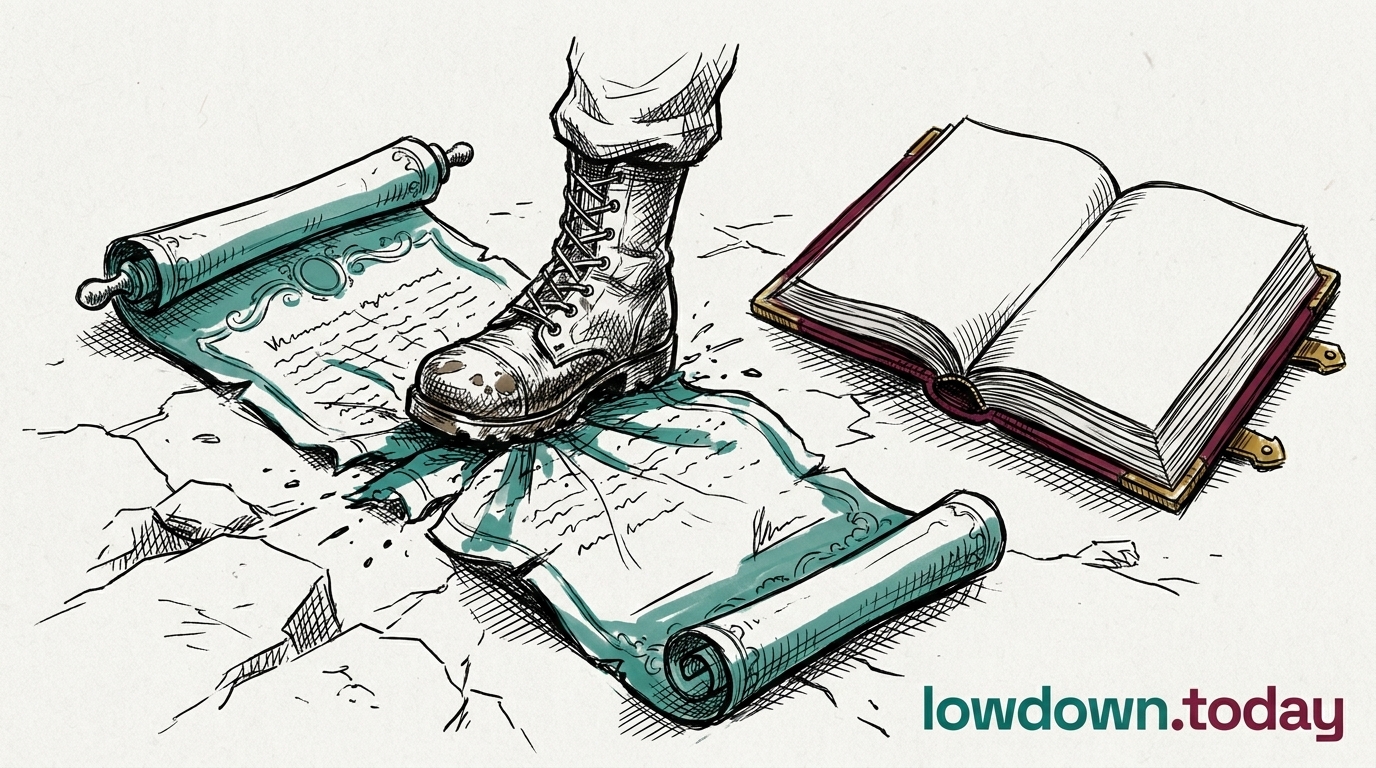
Pakistan secured a second bilateral deal with Iran: 20 more vessels at two per day, bringing the total to approximately 40 Pakistani-flagged ships 1. Iran's state media framed it as a bilateral arrangement, not a concession on Hormuz sovereignty. Against approximately 2,000 stranded ships , 40 vessels represents less than 2% of the queue.

Prime Minister Shehbaz Sharif held what Pakistani officials described as "extensive discussions" with Iranian President Masoud Pezeshkian. Finance Minister Ishaq Dar called the deal a "harbinger of peace." It is not. Every bilateral deal reinforces Tehran's leverage by demonstrating that Hormuz passage now flows from Iranian permission, not international law. Each agreement concedes the premise that Iran controls the strait .

Deep Analysis

In plain English

The Strait of Hormuz has about 2,000 ships stuck waiting to pass through. Pakistan negotiated a deal to get 40 of its own ships through, two per day. That is less than 2% of the queue. The deal is significant not for the ships it moves but for what it implies: Pakistan accepted that Iran's permission is required to transit an international waterway. International law says Iran has no right to charge that toll or require that permission. Every bilateral deal like this one makes it slightly harder to argue that Iran is violating international law, because sovereign states are effectively recognising Iran's authority by asking for its approval.

First Reported In

Update #51 · Iran hits aluminium plants; Hormuz emptying

PressTV· 29 Mar 2026
Read original
Different Perspectives
Hengaw
Hengaw
The Norway-based monitoring group reported the Urmia executions of Omid Behzad and Pouria Safvat, the only source to do so, consistent with its documented pattern of recording far more executions than the Iranian state acknowledges. Iran's government has not confirmed either execution.
Shipping and insurance underwriters
War-risk premiums price the Houthi campaign because the group announces its targets in advance, but a reopening Trump has promised without a published text gives underwriters no benchmark to reprice Hormuz cover against. Insurers want a text before they move rates, not a promise.
Houthi movement
Houthi movement
Spokesman Yahya Saree claimed strikes on two tankers in the Red Sea and Gulf of Aden on 5 August, only one of which UKMTO could confirm. The group's campaign against shipping continues on its own schedule, independent of any Hormuz arrangement further north.
Oman
Oman
Muscat has brokered the coordinates both Tehran and Washington's wire sources now describe differently, but has published no account of its own. Oman's position depends on treating Hormuz as a shared route, which is not what Iran is currently describing.
United States Central Command
CENTCOM raised its interdiction tally from 35 to 44 redirected vessels and disclosed its first boardings on 3 August, the day before Trump promised a reopening. The command's own enforcement record does not yet reflect the release the President has described.
Iran's Foreign Ministry
Spokesman Esmaeil Baghaei described the agreed Hormuz coordinates as a wholly new corridor under Iranian management, not a split of the existing route, days after his own deputy rejected Oman's lane proposal. Tehran wants the arrangement read as a change of ownership, not a compromise on access.