Skip to content
You can now search across every topic, entity and event.What's new
Iran Conflict 2026
17MAY

Wind-down licence lapses for blocked ships

1 min read
10:45UTC

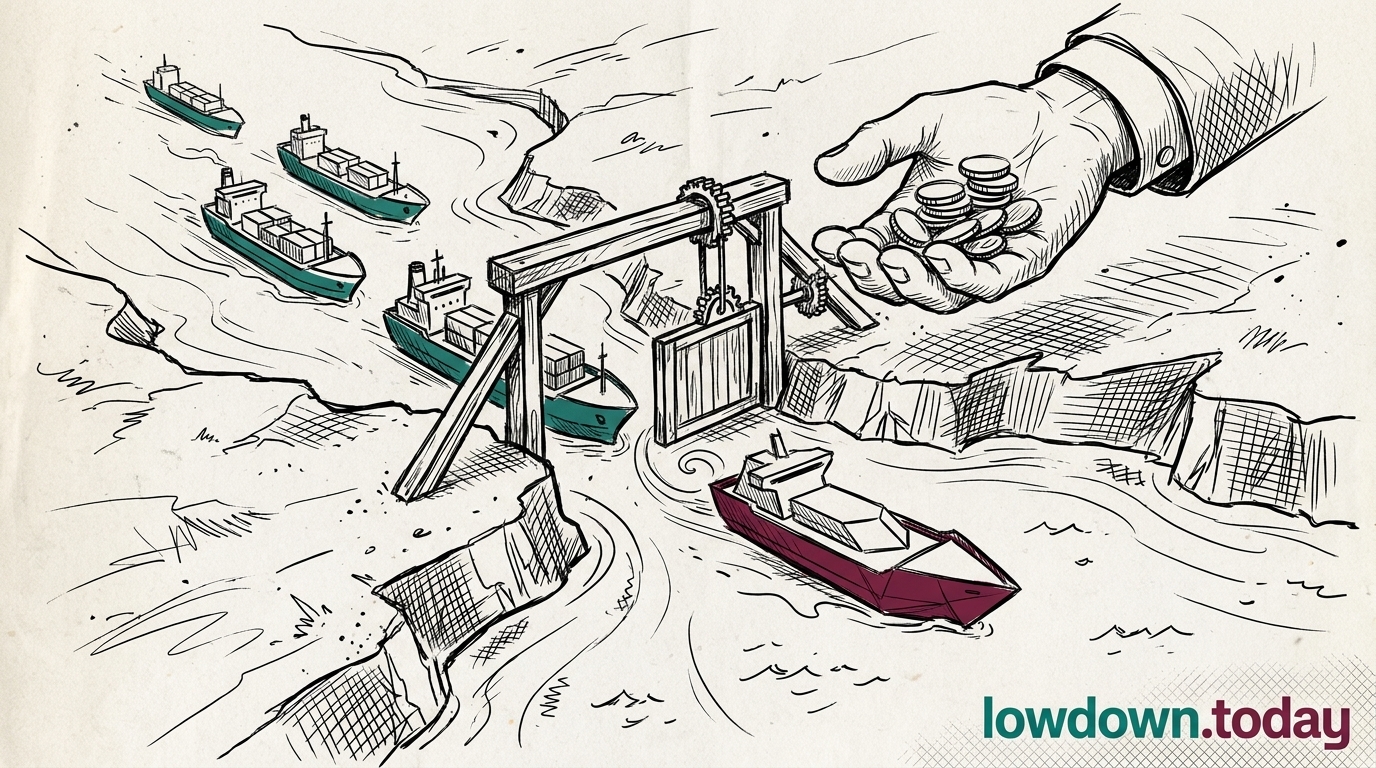
General License Z, the US Treasury authorisation letting counterparties wind down dealings with vessels blocked on 14 July, lapsed on 17 July alongside General License X1.

ConflictDeveloping
Key takeaway

General License Z lapsed on 17 July, the same day General License X1 expired unrenewed.

General License Z, issued by the US Treasury's Office of Foreign Assets Control (OFAC) to let counterparties wind down dealings with vessels blocked on 14 July, lapsed on 17 July 1. General License X1, which had covered Iranian oil transactions, expired the same day with no renewal .

OFAC issues wind-down licences to open a legal grace period. Each one gives banks, charterers, insurers and port agents a fixed window to settle outstanding obligations with a newly sanctioned party without themselves becoming sanctions violators. Three days is a short window when the counterparties are ships mid-voyage in a war zone whose insurers have already repriced the passage.

With both licences gone, anyone still holding contracts tied to those vessels is exposed with no authorised path to unwind them. The practical effect falls on intermediaries rather than on Tehran: the Greek owner, the Singaporean bunker supplier and the Dubai trading desk now face a choice between breaching a contract and breaching US sanctions, and OFAC has published no successor authorisation.

Deep Analysis

In plain English

The US Treasury had given companies dealing with certain Iran-linked ships a short grace period to wind down their business with them lawfully after those ships were blocked on 14 July. That grace period, called General License Z, ran out on 17 July, the same day a separate licence covering Iranian oil trade also expired with nothing to replace it. Any bank, insurer or shipping company still tied to those vessels now has no officially approved way to end those dealings without risking a sanctions violation.

Deep Analysis
Root Causes

OFAC issues wind-down licences because sanctions designations otherwise take effect instantly, criminalising contracts signed before the designation existed; the licence exists to give banks, insurers and charterers a defined legal window to exit cleanly.

When that window closes without a successor authorisation, as it has here, anyone still holding a contract tied to a blocked vessel has no lawful route to end it, only a choice between breaching the contract or breaching sanctions law.

What could happen next?
  • Consequence

    Intermediaries such as ship owners, bunker suppliers and trading desks now bear the compliance risk of unwinding contracts with no lawful exit route, a burden that falls on third parties rather than on Tehran directly.

First Reported In

Update #156 · First American deaths in Jordan

Al Jazeera· 19 Jul 2026
Read original
Causes and effects
This Event
Wind-down licence lapses for blocked ships
Two escape hatches for lawful disengagement closed on the same day, leaving no authorised route out for exposed counterparties.
Different Perspectives
Oil traders
Oil traders
Sent Brent down 2.29 per cent to $98.38 a barrel on reports that mediation was reviving, moving the price on CENTCOM's quiet night rather than on Trump's same-day promise of a bigger operation with no deadline attached.
Iran
Iran
An Iranian official called the same mediation account completely misleading, denying it received any US proposal via Baghdad on the same day Iraq denied delivering one, leaving neither denial able to settle what actually passed between the two capitals.
Iraq
Iraq
Called groundless the New York Times account that its prime minister carried a US ceasefire proposal to Tehran, a denial that also protects Baghdad's effort to avoid becoming a party to a war fought by aircraft it does not control.
OHCHR
OHCHR
Recorded 17 civilian seafarer deaths since the war began, a population neither the Pentagon nor Iran's Health Ministry counts in its own tally, and called for urgent action on 6,000 crew stranded across roughly 400 vessels in the Strait of Hormuz.
Houthis
Houthis
Enforced the blockade on Saudi-linked shipping it declared on 20 July by hitting the NCC Masa and then an Aramco facility at Jazan, moving from radio warnings to strikes on land after four days without a confirmed hit.
Saudi Arabia
Saudi Arabia
Struck Houthi military sites near Hodeidah the same day the NCC Masa was hit, while its coalition spokesman insisted Hodeidah, Ras Issa and Salif all remain open to navigation. The distinction protects the ports Yemen's population depends on for food and fuel even while punishing the group behind the tanker strike.