Skip to content
You can now search across every topic, entity and event.What's new
European Tech Sovereignty
8SEP

Iran rejects US plan, sets five terms

2 min read
15:06UTC

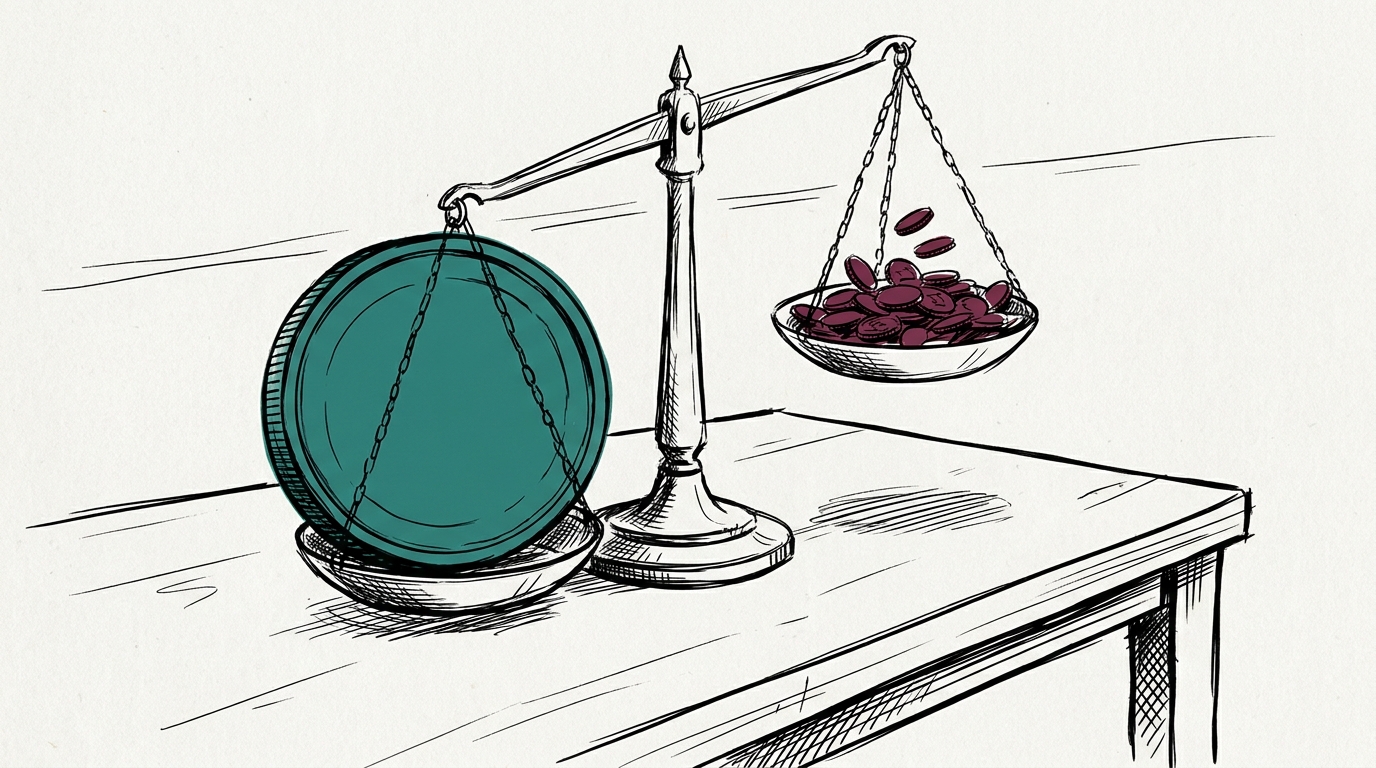
Tehran's five conditions amount to a demand for unconditional victory; the gap with Washington's 15-point plan is structural, not tactical.

TechnologyAssessed
Key takeaway

Neither side's peace terms overlap, making diplomatic resolution impossible without one side fundamentally changing its war aims.

Abbas Araghchi, Iran's Foreign Minister, dismissed Washington's 15-point ceasefire plan as "extremely maximalist and unreasonable" on Tuesday 1. Hours later, Tehran published five counter-conditions through Press TV: a complete halt to US and Israeli attacks, war reparations, international recognition of Iran's sovereignty over the Strait of Hormuz, protection of Hezbollah and allied militias in Iraq, and fulfilment of pre-war Geneva demands. Araghchi told state media: "At present, our policy is the continuation of resistance" 2.

The 15-point plan reached Tehran via Pakistan . Israel's Channel 12 reported its contents: dismantling Iran's nuclear programme, limiting its ballistic missile arsenal, abandoning regional proxy networks, and conditionally reopening Hormuz 3. Donald Trump said Washington is "very close to meeting the core objectives of the operation."

Iran's counter demands formal sovereignty over the strait where the Islamic Revolutionary Guard Corps (IRGC) already runs a $2 million per-vessel toll system . Washington asks Tehran to surrender its nuclear capacity. Tehran asks Washington to recognise its authority over the waterway that carries one-fifth of the world's oil.

Iran insists on Vice President Vance as sole interlocutor , rejecting both Steve Witkoff and Jared Kushner 4. The Trump administration says all four officials are authorised. Neither side has agreed on who sits at the table.


Deep Analysis

In plain English

Iran and the US have each published their wish list for ending the war. Iran wants the US to recognise its right to control the shipping lane that carries a fifth of the world's oil. The US wants Iran to give up its nuclear programme and its militias. If you listed both sides' demands, not a single item would appear on both lists.

Deep Analysis
Root Causes

Neither side entered the war with a theory of acceptable peace.

Escalation

Escalating. Both sides' published positions are maximalist. Military preparations advance faster than diplomacy.

What could happen next?
  • Consequence

    Islamabad talks may collapse before starting if neither side concedes on format

  • Risk

    Oil markets pricing non-existent diplomacy; correction upward likely

First Reported In

Update #48 · Iran rejects ceasefire; Kharg fortified

Middle East Eye· 26 Mar 2026
Read original
Different Perspectives
Poland
Poland
Poland leads a self-announced AI Gigafactory consortium with a EUR 100 million phase-one commitment, matched by Czechia and joined by Hungary at EUR 25 million. EuroHPC has confirmed no consortium for the call closing 12 November, so the bloc exists only in national announcements so far.
UK Government (DCMS)
Secretary of State Lisa Nandy told the Commons on 3 September she has inherited the sovereign AI brief from Liz Kendall, but gave no assessment, figure or date on frontier-model access. It is the first public claim of ownership since DSIT's abolition, without the substance the committee asked for.
ASML
ASML
ASML CEO Christophe Fouquet credited Intel Foundry, not a European fab, with shipping the first high-volume logic product made on High-NA EUV, the tool only ASML builds. Europe holds the chokepoint tool; the company that spent it into volume production first is American.
Luxembourg
Luxembourg
Luxembourg joined Mistral's Series D as a new investor on 8 September, the same government that co-funds EuroHPC's MeluXina-AI supercomputer. One small member state now funds the sovereign compute Mistral may need and holds equity in the company using it.
Samsung Electronics
Samsung Electronics
Samsung led Mistral's Series D on 8 September and the same day expanded its ASML collaboration on next-generation lithography. One Korean company now sits atop Europe's largest AI funding round and inside its most sensitive chip-tooling relationship.
Mistral AI
Mistral AI
Mistral closed a EUR 3 billion Series D above a EUR 21 billion valuation on 8 September, with Samsung leading and Luxembourg joining as a new state investor. The company markets itself as Europe's non-American AI option even as the round's lead capital comes from South Korea and two US private-equity firms.