Skip to content
You can now search across every topic, entity and event.What's new
European Oil Markets
10JUL

Hormuz transits rise to an eighth of normal

2 min read
09:40UTC

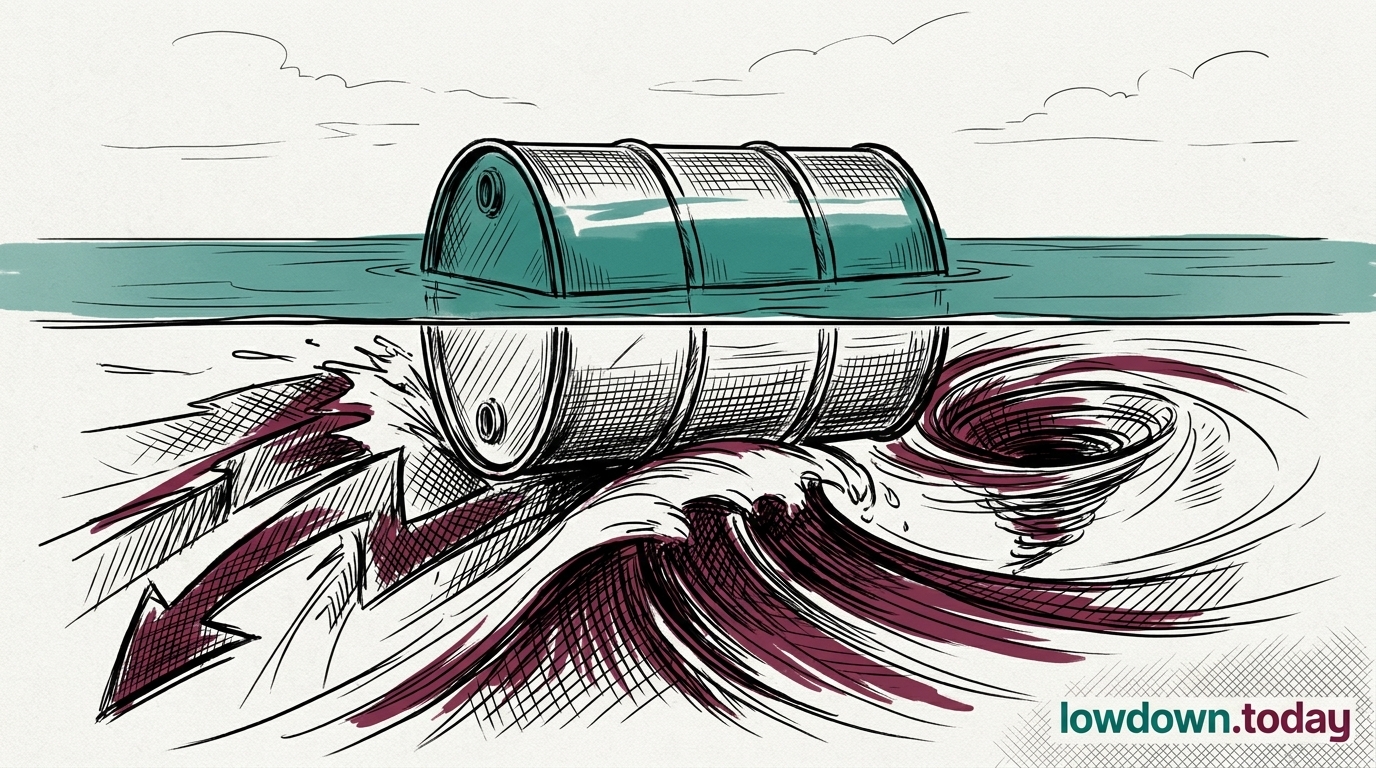
Lloyd's List Intelligence counted 84 weekly transits through the Strait of Hormuz on 7 August, up from 45. A normal week carries more than 700.

EconomicDeveloping
Key takeaway

Hormuz traffic doubled to a level still far below a working waterway.

Lloyd's List Intelligence counted 84 vessel transits through the strait of Hormuz in the week to Friday 7 August, up from 45 the week before, in figures relayed by the Associated Press 1. A normal week carries more than 700.

Three independent trackers had already put crossings at about 15% of normal on 24 July , so the rebound restores a fraction of a fraction. War-risk underwriters price off demonstrated passages rather than announcements, and two counts this low both sit inside the noise band of a chokepoint that usually moves a hundred vessels a day. A doubling gives them a second data point, not a trend.

Lloyd's List has not published the split between tankers, gas carriers and general cargo. Energy trade resuming would show up in that breakdown; a return of general cargo would mean something much smaller. Without it, the rise cannot be read either way.

Charterers cannot fix a voyage against a route with no published text, which means the extra crossings most likely reflect operators who had already accepted the risk rather than new entrants coming back. If next week's count falls towards July's levels, this one reads as convoy movement rather than recovery.


Deep Analysis

In plain English

Shipowners weigh risk to the vessel, crew, cargo and insurance before they enter the strait. Their decisions determine the traffic count. The number almost doubled in one week, but 84 ships is still far below the more than 700 that normally cross. The route remains badly constrained.

What could happen next?
  • Consequence

    The count shows more movement than the preceding week but no return to normal shipping capacity.

  • Risk

    Further incidents or unclear route rules may stop the recovery before tankers resume normal schedules.

First Reported In

Update #168 · Iran replaces the man who set its terms

Associated Press· 11 Aug 2026
Read original
Different Perspectives
Gulf oil producer
Gulf oil producer
Secured OPEC's confirmed 188,000 b/d September increment with the next meeting set for 6 September, but the Secretariat's own 2 August release says nothing about the fourth quarter. Output guidance beyond September remains undisclosed even as delegate sourcing keeps filling that gap.
Money manager positioned in WTI
Added 21,402 lots to a 108,307 net long in NYMEX WTI in the week to 28 July, against just 1,485 added to Brent's 15,740, a roughly fourteen-to-one split. Conviction sits in the American benchmark even as the European diesel story sets the record.
Indian refiner buying Urals
Bought Russian crude at a discount that narrowed to $1-2 a barrel in the week to 29 July from over $10, as Hormuz risk pushed it toward Urals. If that risk eases with the strike now called off, the discount it is currently enjoying could re-widen just as fast.
Russian diesel exporter
Novak tied any lifting of the diesel export ban, due to lapse 31 July, to an unspecified market recovery with no date, and pushed the gasoline ban to end-2026. An open-ended constraint suits an exporter benefiting from the record European crack it feeds.
War-risk underwriter
Withdrew war-risk cover for Saudi-linked hulls on 24 July and has not reinstated it, holding Bab el-Mandeb tanker transits near 7.5 a day. A cancelled strike does not by itself trigger the committee review needed to re-accept the class.
Northwest European refiner
Sources only 17% of diesel imports from Saudi Red Sea ports against the Mediterranean's 24%, so the ARA crack at $85.86 trails the Med print by $5.81. Lower Red Sea exposure is cushioning it against the rerouting cost, not eliminating it.