Skip to content
You can now search across every topic, entity and event.What's new
European Oil Markets
6JUL

Ghalibaf says Iran will not fold

2 min read
09:52UTC

Mohammad Bagher Ghalibaf, Iran's parliamentary speaker and chief negotiator, listed US breaches on X on 8 July and wrote 'we don't fold', the first senior official to call the memorandum violated on the record.

EconomicDeveloping
Key takeaway

Iran's negotiator has declared the memorandum violated, though the parliament he leads never ratified it.

Mohammad Bagher Ghalibaf, speaker of Iran's parliament and its chief negotiator, posted on X on Wednesday 8 July listing what he called US breaches of the memorandum: interference with Iran's Hormuz arrangements, threats of further strikes, reinstated oil sanctions and attacks on southern Iran. 'We don't fold,' he wrote, declaring an end to what he called an era of bullying and extortion 1. He is the first named senior official, beyond the foreign ministry spokesman, to declare the memorandum violated on the record, and his statement lands days after Donald Trump called the deal over .

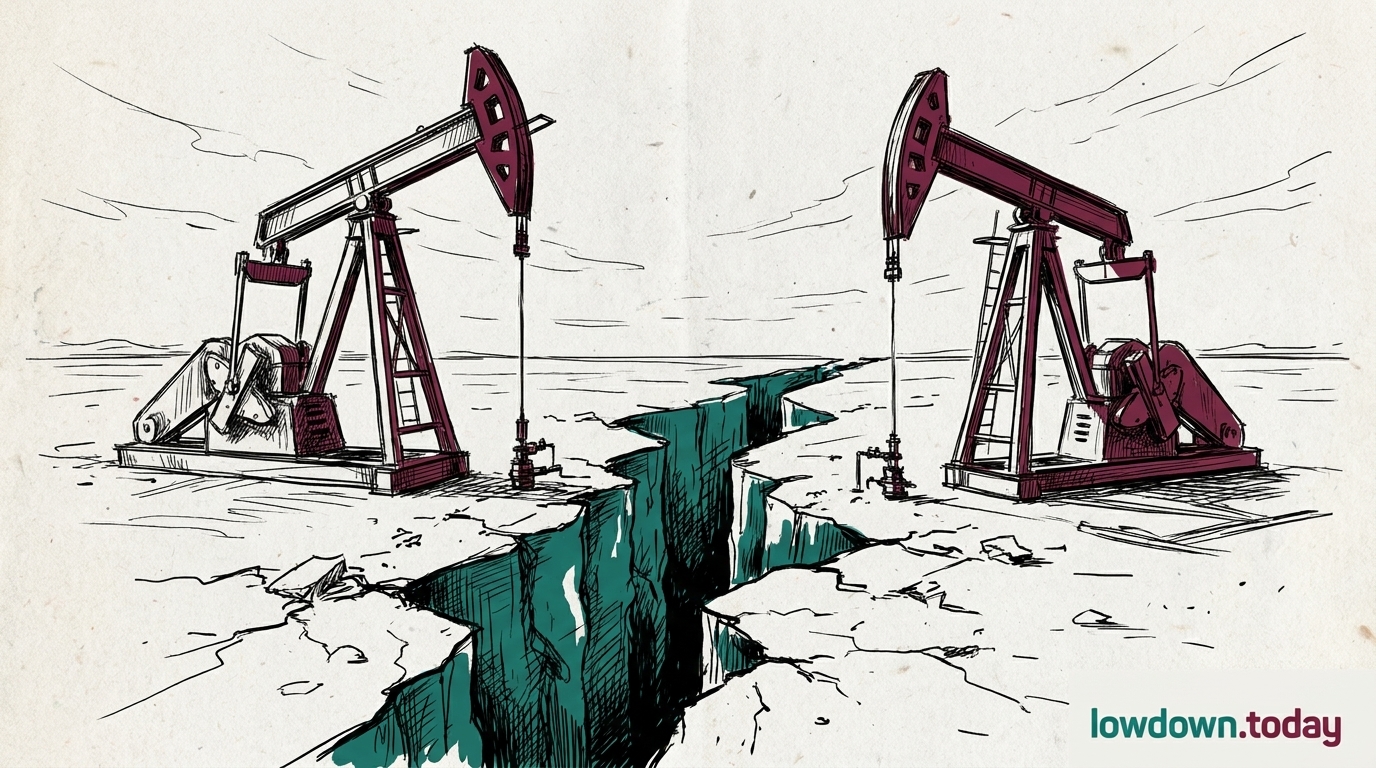
What Ghalibaf calls violated the Majlis never ratified. Iran's parliament was never asked to vote the Islamabad memorandum through as a treaty, which is why hardline MPs Abootorabi and Nabavian are threatening an Article 77 constitutional complaint rather than a withdrawal motion 2. The complaint would target the government for binding Iran to a text parliament never approved. The escalation runs through the executive and through public statements, not the parliamentary record.


Deep Analysis

In plain English

Mohammad Bagher Ghalibaf is the speaker of Iran's parliament (the Majlis) and was Iran's lead negotiator on the ceasefire deal with the US, known as the Islamabad memorandum. He has now said publicly that the US broke that deal and that Iran will not back down. Separately, two hardline members of parliament are threatening to use a constitutional rule, Article 77, to argue the deal was never legally binding in the first place because parliament itself never voted on it. Together, these moves suggest Iran's political establishment is hardening its position, alongside its military.

Deep Analysis
Root Causes

Article 77 of Iran's constitution requires the Majlis to ratify international treaties; the Islamabad memorandum was signed as an executive-level understanding, not a treaty, leaving hardline MPs Abootorabi and Nabavian a genuine constitutional lever to argue it never bound Iran domestically.

The succession crisis compounds the legal gap: with Mojtaba Khamenei absent from public view since his father's funeral and reportedly injured, no figure with unquestioned authority has stepped in to overrule Ghalibaf's reading of the memorandum, leaving the Majlis speaker's interpretation effectively unchallenged.

What could happen next?
  • Consequence

    If the Article 77 complaint advances, it gives Iran's negotiators formal domestic cover to abandon the memorandum's terms without appearing to break faith with Washington unilaterally.

First Reported In

Update #150 · Second US strike wave, first heavy toll

bne IntelliNews· 9 Jul 2026
Read original
Causes and effects
This Event
Ghalibaf says Iran will not fold
With its chief negotiator now calling the memorandum violated, Tehran has taken its hardest public line since June, even though parliament never ratified the deal.
Different Perspectives
Greek shipping registries
Flag states dominating the tanker fleet await the EU's 15 July cap-freeze vote. A formula unlock toward $75 would loosen the ceiling squeezing insurance and crewing costs on their registered hulls.
US money managers
US money managers
NYMEX WTI managed-money net long fell 23% to +64,041 in the week to 7 July, trimming length into the rally on doubt the Hormuz premium survives without freight or war-risk confirmation.
European refiners (ARA)
ARA refiners are capturing an $80/bbl US diesel crack as Russian gasoil loadings collapsed to 234kbd before Novak's 31 July export ban even bites, widening the arbitrage straight into refining margins.
OPEC+
OPEC+
The seven-member group confirmed a fourth consecutive 188kbd August hike on 5 July, defending market share even though Saudi Arabia's $108-111/bbl breakeven means every added barrel costs Riyadh revenue it cannot recoup.
Indian refiners
Indian refiners
Refiners kept lifting discounted Urals as the India/Baltic split widened past $9-10 a barrel on 7 July. A wider Urals-Brent gap means cheaper feedstock locked in against Baltic buyers.
Russia
Russia
Urals traded $48.95-55.12 on 12-13 July, below Moscow's $59 budget floor even as Brent gained $6. Oil and gas fund roughly 30% of federal revenue, and Novak's diesel export ban is rationing a shrinking export base.