Skip to content
You can now search across every topic, entity and event.What's new
European Oil Markets
30JUN

Iran claims $12bn; US calls it spin

3 min read
17:30UTC

Iran said it had agreed to release $12 billion in frozen funds in two tranches from Qatar and Iraq; a senior US official called the characterisation spin and said no money moves without Iranian compliance.

EconomicDeveloping
Key takeaway

Iran says $12bn is being freed; the US says nothing moves without compliance, and no funds have cleared.

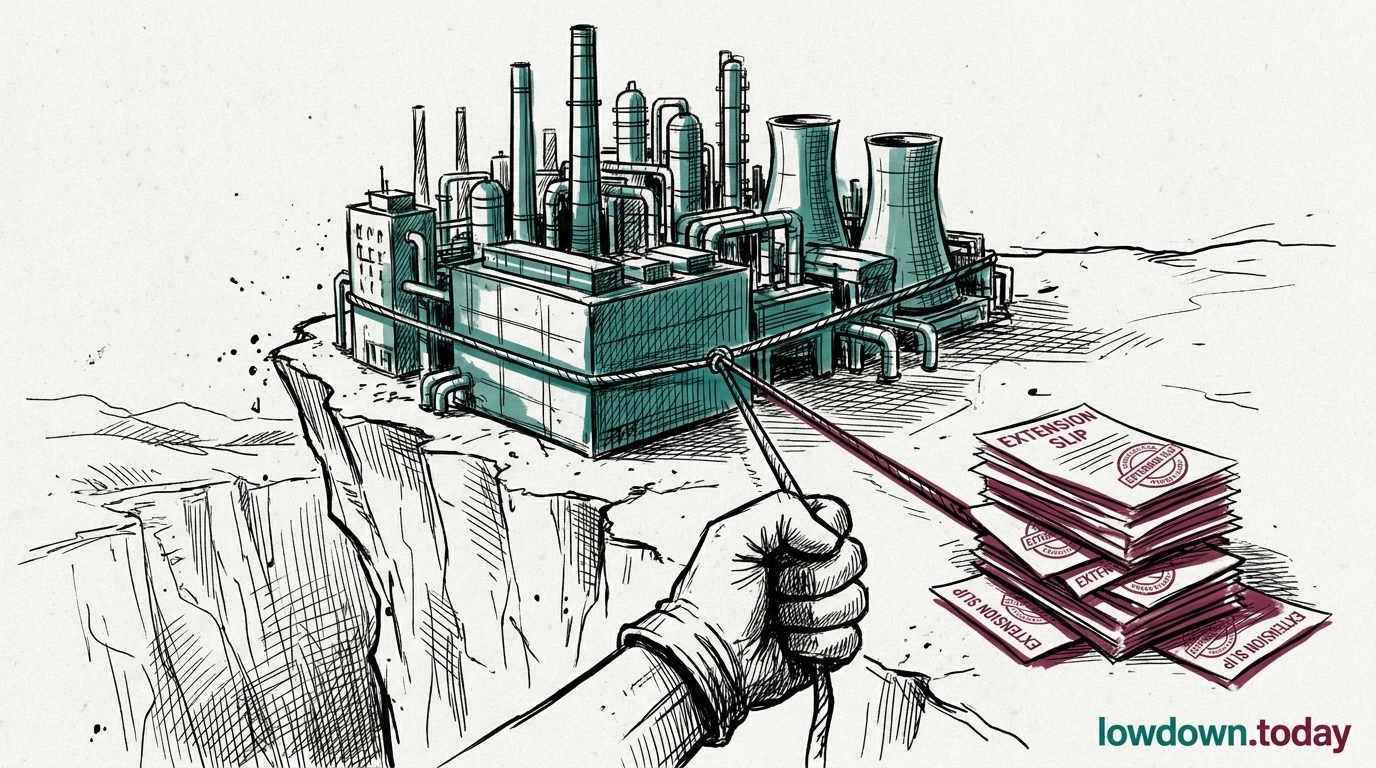
Iran announced on 23 June that it had reached agreement to release $12 billion in frozen funds, in two tranches of $6 billion drawn from accounts in Qatar and Iraq, advancing Ghalibaf's confirmation a day earlier 1. These are Iranian oil revenues held abroad under US sanctions for years, the kind of money that has repeatedly been promised and repeatedly stayed locked.

The two governments described two different things. A senior US official called Iran's account "spin" and said no money would move "without the Iranians implementing their commitments", a pay-for-performance condition that turns the funds into leverage rather than relief 2. Iran's UN ambassador Ali Bahreini rejected any condition outright: "Iran is the only country who will decide what to do with its assets" 3. Trump said the unfrozen money should go to "our farmers".

The structure undercuts Iran's claim of unconditional access. The $6 billion Qatar tranche mirrors the Doha escrow built for the September 2023 prisoner swap, where funds sat under restricted-use rules and were effectively refrozen within weeks. Not a dollar has cleared, and the only signed money instrument behind any of it is General License X, executed by Treasury Secretary Bessent on 22 June .

Deep Analysis

In plain English

Iran says it has reached a deal to access $12 billion of its own money that has been frozen in overseas bank accounts for years; $6 billion in Qatar and $6 billion in Iraq. This money came from oil sales that were blocked under US sanctions. The US responded by calling Iran's description 'spin', saying not a dollar would move until Iran actually delivered on its commitments. The core disagreement is about sequencing: Iran says it should get the money first, unconditionally. The US says Iran must act first; on things like nuclear inspections and other obligations from the ceasefire deal; before any funds are released. Until one side changes position, the money stays frozen. Not a single dollar has cleared as of 24 June.

First Reported In

Update #137 · Iran and Oman claim the strait; US says no

CBS News· 24 Jun 2026
Read original
Different Perspectives
Greek shipping registries
Flag states dominating the tanker fleet await the EU's 15 July cap-freeze vote. A formula unlock toward $75 would loosen the ceiling squeezing insurance and crewing costs on their registered hulls.
US money managers
US money managers
NYMEX WTI managed-money net long fell 23% to +64,041 in the week to 7 July, trimming length into the rally on doubt the Hormuz premium survives without freight or war-risk confirmation.
European refiners (ARA)
ARA refiners are capturing an $80/bbl US diesel crack as Russian gasoil loadings collapsed to 234kbd before Novak's 31 July export ban even bites, widening the arbitrage straight into refining margins.
OPEC+
OPEC+
The seven-member group confirmed a fourth consecutive 188kbd August hike on 5 July, defending market share even though Saudi Arabia's $108-111/bbl breakeven means every added barrel costs Riyadh revenue it cannot recoup.
Indian refiners
Indian refiners
Refiners kept lifting discounted Urals as the India/Baltic split widened past $9-10 a barrel on 7 July. A wider Urals-Brent gap means cheaper feedstock locked in against Baltic buyers.
Russia
Russia
Urals traded $48.95-55.12 on 12-13 July, below Moscow's $59 budget floor even as Brent gained $6. Oil and gas fund roughly 30% of federal revenue, and Novak's diesel export ban is rationing a shrinking export base.
