Skip to content
You can now search across every topic, entity and event.What's new
European Oil Markets
18MAY

Brent at $112 as Houthis enter the war

2 min read
17:30UTC

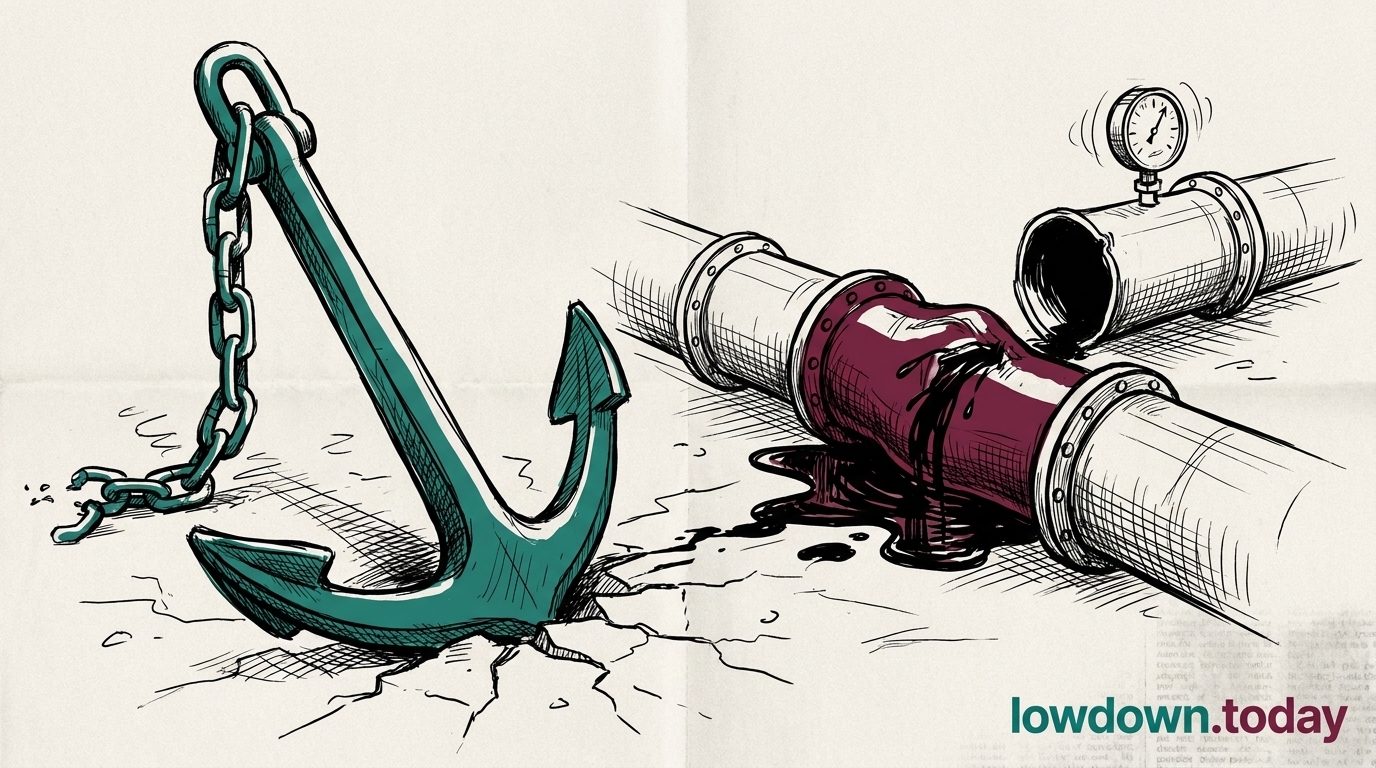
Oil climbed 4.2% to $112.57 as the Houthi attacks added a second chokepoint threat to a market already pricing in near-total Hormuz closure.

EconomicAssessed
Key takeaway

Brent's 51% monthly gain reflects dual-chokepoint risk not yet fully priced by markets.

Brent Crude settled at $112.57 on 28 March, up $4.56 (4.22%), driven by Houthi entry into the conflict 1. WTI crossed $100 for the first time since the Houthi escalation began. The monthly gain of approximately 51% is the largest single-month increase since the COVID recovery in mid-2021. Goldman Sachs estimates a $14 to $18 per barrel geopolitical risk premium is already baked into the price.

The Majlis Hormuz toll bill is expected to be finalised this week. Passage would embed Hormuz control in Iranian domestic law, making it constitutionally harder for any future negotiator to concede the point. The de facto $2 million per-voyage toll is already operational, denominated in Chinese yuan, with refusal to pay triggering boarding by IRGC naval forces. IEA demand destruction (growth revised down 210,000 barrels per day) suggests the price surge is partly offset by recession-driven demand collapse .


Deep Analysis

In plain English

Oil has risen 51% in 29 days, from about $67 per barrel before the war to $112.57. For comparison, petrol in the UK is now roughly £3.50 to £3.70 per litre where it was under £2.20 before the conflict. The immediate driver is the near-total closure of the Strait of Hormuz, through which 20% of the world's oil normally flows. The Houthi entry into the conflict on 28 March added another 4.22% to the price in a single day. The Iranian parliament is expected to pass a law this week making the Hormuz toll permanent under Iranian domestic legislation. If it does, markets will likely price in a longer-term disruption, pushing prices higher still.

First Reported In

Update #51 · Iran hits aluminium plants; Hormuz emptying

International Energy Agency· 29 Mar 2026
Read original
Different Perspectives
Indian refiners
Indian refiners
Indian refiners kept lifting discounted Urals as the India/Baltic price split widened past $9-10 a barrel, a gap that only grows as GL X1's Iranian wind-down cuts an alternative discounted grade off the market by 17 July. Cheaper Russian feedstock is being locked in while it lasts.
Chinese refiners
Chinese refiners
Chinese refiners gain leverage as the Urals-Brent discount widens, since Beijing's state buyers already source discounted Russian barrels near the fiscal floor unaffected by Western insurance costs. A wider discount, if it holds past 23 July, lets them lock in cheaper term contracts regardless of the cap's outcome.
US money managers (CFTC-tracked)
Managed money trimmed WTI net length into the rally, positioning that reflects doubt the Hormuz premium survives without freight or war-risk confirmation. The Brent-WTI spread widening almost entirely on the Brent leg supports that scepticism about a broad-based repricing.
OPEC+ (Saudi-led subgroup)
Saudi Arabia is defending market share through a fourth straight 188kbd August hike even as OPEC's own July MOMR cut 2026 demand growth for the fourth consecutive month. At a $108-111 fiscal breakeven, every added barrel costs Riyadh revenue it cannot recoup, so the hike reads as a positioning signal, not a demand bet.
Greek shipping registries
Greece, backed by Cyprus and Malta, is pushing a three-month cap-freeze compromise against the Commission's freeze to January 2027 ahead of the 23 July vote. Athens' and Valletta's combined tanker registrations mean a shorter review gives their insurers more frequent chances to reprice risk on Russian cargoes.
Russia (Deputy PM Alexander Novak)
Novak extended the diesel export restriction to producers on 8 July, the first producer-binding curb of the war, protecting the domestic pump price ahead of any refinery repair timeline. Urals still trades below Russia's $59 budget floor even as Brent gained, so the ban trades export revenue for fiscal stability at home.



