Skip to content
You can now search across every topic, entity and event.What's new
European Oil Markets
18MAY

Brent at $112 as Houthis join the war

2 min read
17:30UTC

The IEA's largest-ever emergency oil release has not stabilised prices; a Dow executive warned supply chains will take nine months to recover after the strait reopens.

EconomicDeveloping
Key takeaway

Nine months of supply chain damage is locked in regardless of when the war ends.

Brent Crude closed at $112.57 on 28 March, up 4.22% on the day. Pre-war Brent was $67.41; the current price represents a 67% increase in 29 days. The Houthi entry and Iran's firm rejection of negotiations drove the reversal. 1

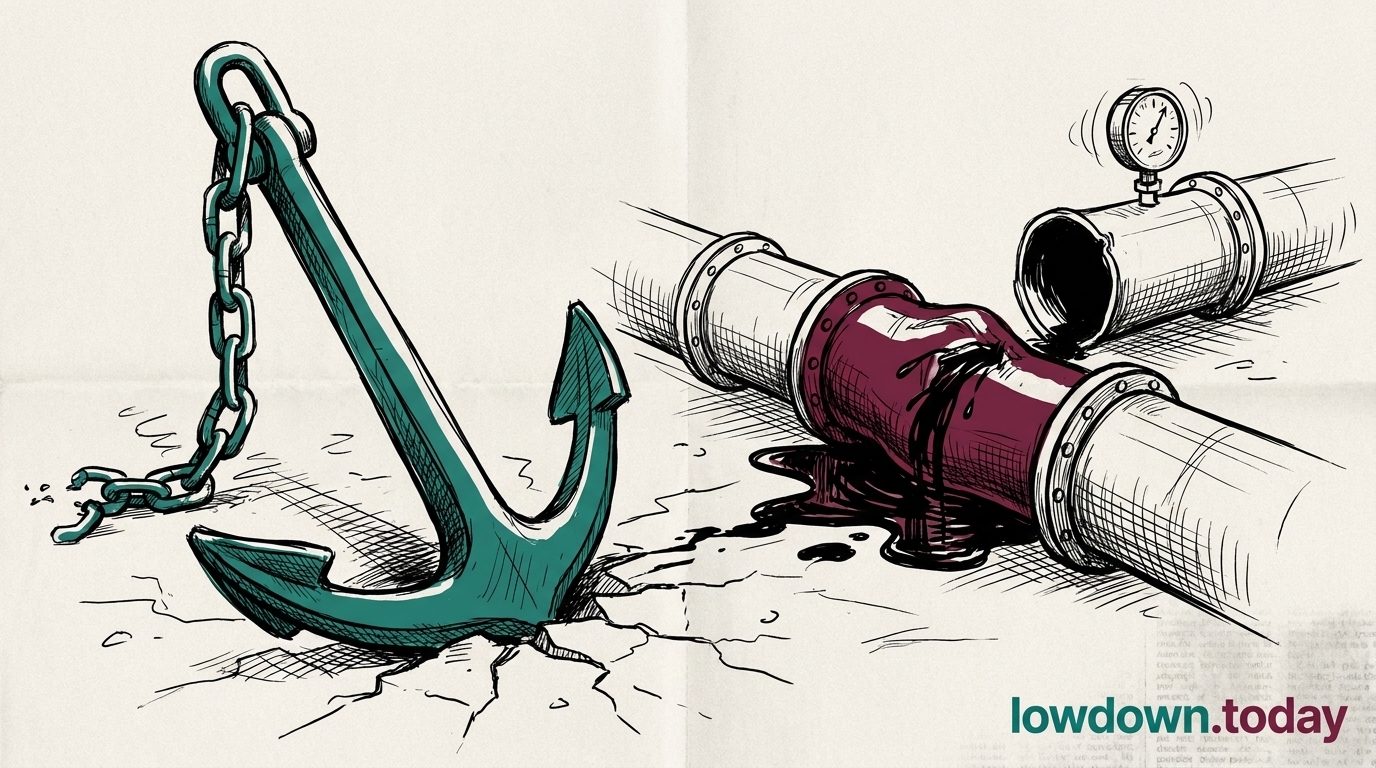
The IEA's record 400 million barrel emergency release, the largest in the agency's 50-year history, has not stabilised prices. The IEA itself said why: "The most important factor is resumption of regular transit through the strait of Hormuz." 2 European reserves are predominantly industry-held: 74.8 million barrels from industry versus 32.7 million from government, giving European governments less direct control than the headline figure implies.

Dow CEO Jim Fitterling stated the damage is already locked in: even if Hormuz reopens tomorrow, petrochemical supply chains will take 250-275 days to unwind. The US-Asia petrochemical pricing gap has surged from under $500 to over $1,200 per metric tonne. 3 US farmers face a 2 million tonne urea shortfall during spring planting, with urea prices up 49% to $720 per tonne. Corn and wheat yields on affected fields could fall 10-20%, with downstream effects on global grain prices by autumn.


Deep Analysis

In plain English

Oil prices closed at $112.57 per barrel on 28 March, up about 4% on the day. Before the war started, a barrel cost $67.41. The 67% rise in 29 days is one of the fastest sustained oil price increases in modern history. The IEA, a group of oil-consuming countries, released the largest emergency oil reserve in its history: 400 million barrels. It has not reduced prices. The IEA itself said why: reserves cover a temporary supply disruption; they cannot substitute for a closed shipping route. For a British driver, $112 oil means roughly £1.80 per litre at the pump. For farmers, fertiliser is the bigger problem. Urea, the chemical used to grow corn and wheat, has risen 49% in price and the US faces a 2 million tonne shortage this spring planting season. Crop yields could fall 10-20%, and those effects will reach food prices by autumn.

What could happen next?
  • Consequence

    A ceasefire today does not end the economic damage: Dow's 250-275 day supply chain unwind means petrochemical-driven inflation persists into Q1 2027 regardless of conflict resolution.

  • Risk

    The 2 million tonne urea shortfall is not substitutable within a planting season; US crop yields in autumn 2026 are already compromised regardless of war outcome.

First Reported In

Update #50 · Houthis join; Iran holds two chokepoints

Fortune· 28 Mar 2026
Read original
Different Perspectives
Indian refiners
Indian refiners
Indian refiners kept lifting discounted Urals as the India/Baltic price split widened past $9-10 a barrel, a gap that only grows as GL X1's Iranian wind-down cuts an alternative discounted grade off the market by 17 July. Cheaper Russian feedstock is being locked in while it lasts.
Chinese refiners
Chinese refiners
Chinese refiners gain leverage as the Urals-Brent discount widens, since Beijing's state buyers already source discounted Russian barrels near the fiscal floor unaffected by Western insurance costs. A wider discount, if it holds past 23 July, lets them lock in cheaper term contracts regardless of the cap's outcome.
US money managers (CFTC-tracked)
Managed money trimmed WTI net length into the rally, positioning that reflects doubt the Hormuz premium survives without freight or war-risk confirmation. The Brent-WTI spread widening almost entirely on the Brent leg supports that scepticism about a broad-based repricing.
OPEC+ (Saudi-led subgroup)
Saudi Arabia is defending market share through a fourth straight 188kbd August hike even as OPEC's own July MOMR cut 2026 demand growth for the fourth consecutive month. At a $108-111 fiscal breakeven, every added barrel costs Riyadh revenue it cannot recoup, so the hike reads as a positioning signal, not a demand bet.
Greek shipping registries
Greece, backed by Cyprus and Malta, is pushing a three-month cap-freeze compromise against the Commission's freeze to January 2027 ahead of the 23 July vote. Athens' and Valletta's combined tanker registrations mean a shorter review gives their insurers more frequent chances to reprice risk on Russian cargoes.
Russia (Deputy PM Alexander Novak)
Novak extended the diesel export restriction to producers on 8 July, the first producer-binding curb of the war, protecting the domestic pump price ahead of any refinery repair timeline. Urals still trades below Russia's $59 budget floor even as Brent gained, so the ban trades export revenue for fiscal stability at home.



