Skip to content
Welcome, thoughtbot's Giant Robots listeners!Start here
Data Centres: Boom and Backlash
26NOV

Seattle locks in its data-centre freeze

3 min read
18:00UTC

Seattle's City Council voted 9 to 0 on 9 June to approve the 365-day moratorium it introduced on 30 April, attaching dated power and water deliverables the introduction lacked.

IndustryDeveloping
Key takeaway

Seattle made its data-centre freeze binding 9-0 and set July power and October water deadlines for city utilities.

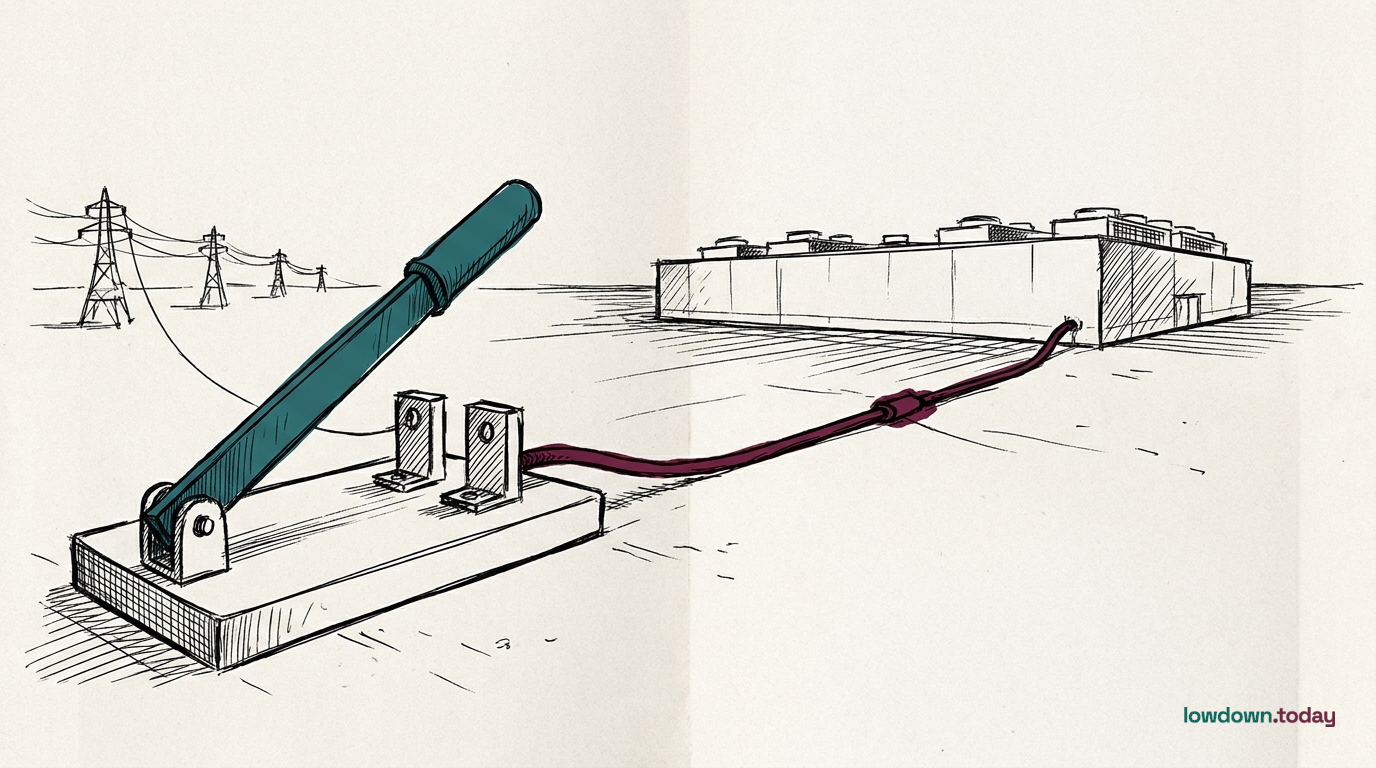
Seattle's City Council voted 9 to 0 on 9 June to approve the 365-day moratorium it had introduced on 30 April, with the ordinance taking effect when the mayor signed on 11 June⁠1. The threshold is any new load above 20 MVA (megavolt-amperes, a measure of apparent electrical capacity, here roughly the draw of 16,000 homes). Qualifying operating facilities can continue operating. Their expansion exemption is limited to an additional 20 MVA, so larger expansions also fall under the moratorium.

The enactment carries a delivery calendar the introduction did not. Seattle City Light, the municipal electric utility, must propose rate and capacity changes by 1 July, and Seattle Public Utilities must deliver a water-usage assessment by 30 October. A moratorium that names deadlines and assigns them to specific agencies is harder to let quietly expire than a blanket pause with no homework attached, because each missed date is a visible failure rather than an absence.

Seattle now joins more than 70 US cities and counties carrying bans or pauses⁠2. Where Indiana is rural breadth with no veto point, Seattle is a major metro committing to concrete deliverables on power and water before it writes permanent rules. The two routes answer the same demand from opposite ends: one distributes refusal across many small boards, the other concentrates it in a single council willing to put dates on the page.


Deep Analysis

In plain English

Seattle's city council voted unanimously on 9 June, with the mayor signing on 11 June, to stop any new large data-centre connections for a year. The cut-off is 20 MVA, which is megavolt-amperes, a measure of electrical capacity roughly equivalent to the combined draw of 16,000 homes. Anything smaller than that threshold can still connect. Existing data centres can keep operating. An expansion exemption permits at most another 20 MVA at eligible existing facilities; larger expansions also face the pause. The council also set specific things that must happen during the year-long pause. Seattle City Light, the city's electricity company, must propose how it would change rates and capacity rules by 1 July 2026. Seattle Public Utilities, which manages the water supply, must report how much water data centres use by 30 October 2026. Seattle owns its electricity company, City Light, rather than buying power from a private utility. That ownership gives the city council a direct lever: it can instruct City Light to refuse load requests, which most US cities with investor-owned utilities cannot do. The moratorium works here because of that municipal ownership.

What could happen next?
  • Precedent

    Seattle's binding delivery calendar, with specific dates for utility rate and water studies, makes it the most structurally complete US moratorium, giving other cities a legislative template that pairs the freeze with a policy development process.

First Reported In

Update #7 · Virginia taxes the backup, not the draw

Seattle City Council· 17 Jun 2026
Read original →
Causes and effects
This Event
Seattle locks in its data-centre freeze
A major metro has committed to specific rate and water assessments before it writes permanent data-centre rules.
Different Perspectives
MUFG
MUFG
Mitsubishi UFJ (MUFG) and Morgan Stanley are preparing to sell a loan of about $4.5bn secured on the GPUs CoreWeave runs for Meta in Dalton, Georgia, with price talk of 7% to 7.5%, Bloomberg reported. Meta's contract is expected to win the loan investment-grade ratings, though CoreWeave is rated below investment grade and the loan has not priced.
CX Tech
CX Tech
CX Tech's £16.5bn, 1,000 MW plan for the former Chapelcross nuclear site has drawn more than 10,000 representations, the most Dumfries and Galloway's planners have received, BBC News reported. The company says the scheme could support up to 750 construction jobs and about 540 permanent posts; comments close on 29 November.
Nate Glubish, Alberta's technology and innovation minister
Glubish tabled Bill 42 on 18 November to ban power plants and data centres on Class 1 and 2 farmland and within 600 m of homes, a day after the regulator approved a 1,494 MW plant that fails both tests. The bill exempts projects already approved or under review, so the Indus plant stands.
NEXTDC's chairman and chief executive
After a second pay strike and a defeated spill on 20 November, NEXTDC's leaders said they are exploring a joint venture for the S4 Sydney campus and do not expect to raise shareholder capital for contracted capacity. They raised FY27 underlying EBITDA guidance to A$260m-A$275m, still excluding about A$140m tied to Melbourne's stalled M3 site.
Friends of the Irish Environment, Friends of the Earth Ireland and ClientEarth
The three groups argued in the High Court on 18 November that the CRU's data-centre connection framework breaches the 2015 Climate Act by ignoring carbon budgets, which the CRU denies. Judge Micheal O'Connell reserved judgment with no date, so the framework stands meanwhile.
South Korean data-centre industry groups
Industry groups told Etnews on 13 November that tougher grid scoring for one sector alone is unfair, three days before the climate and energy ministry raised the capital-region pass mark to 75 from 70. Pending applications are judged on the new bar; the pilot assessed 28 capital-region projects worth 1.9 GW.

Written with AI from Lowdown's published reporting. Not individually reviewed by an editor. Editorial standards.