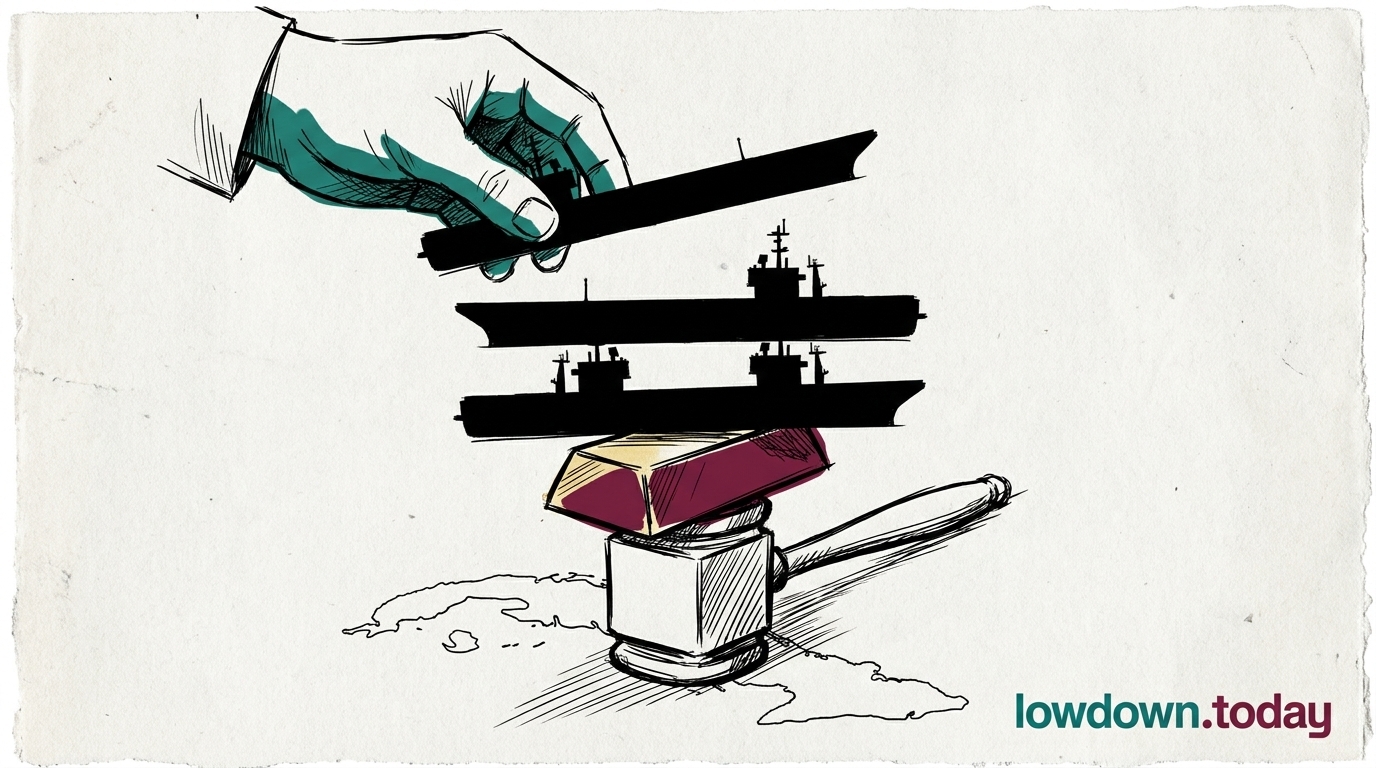
No oil tanker has reached Matanzas or Santiago de Cuba since the 11 June designation of CUPET1. CUPET is Cuba's state petroleum firm, which controls every import terminal and filling station on the island; its placement on the US sanctions list puts that infrastructure off-limits to anyone clearing dollars or touching US-connected banks. The reform lets the non-state sector import and sell fuel2, but a private importer with a cargo has no terminal to land it.
The pre-negotiated Vanguard Energy deal for 250,000 barrels is cancelled; the State Department had already denied it any authorisation to use CUPET facilities3. The energy expert Jorge Pinon flags only one narrow path, small isotank shipments through Mariel that avoid a physical CUPET connection, and doubts it can carry meaningful volume4. The last Russian tanker turned away weeks ago, leaving no state-to-state substitute.
The consequence cascades through a chain the headline hides. The Center for Strategic and International Studies (CSIS), a Washington think tank, calculates that 95.9% of Cuban electricity depends on oil and gas5, so there is no renewable buffer to absorb a fuel gap of this size. No fuel means no grid, and with 84% of water pumping running off that grid, no grid means no water. The reform's energy pillar is inert unless a cargo clears, and the single highest-consequence variable for the island is whether any shipment lands under the new rule, an import the designation that triggered the crisis keeps physically shut.




