At peak on Sunday 21 June, 64% of Cuban national territory lost power simultaneously, the most severe multi-province outage since the national blackouts of March (cf,1. The state grid operator UNE (Unión Eléctrica de Cuba) reported a deficit near 2,100 MW against 3,200 MW of demand, with 106 distributed-generation centres offline for want of fuel2.
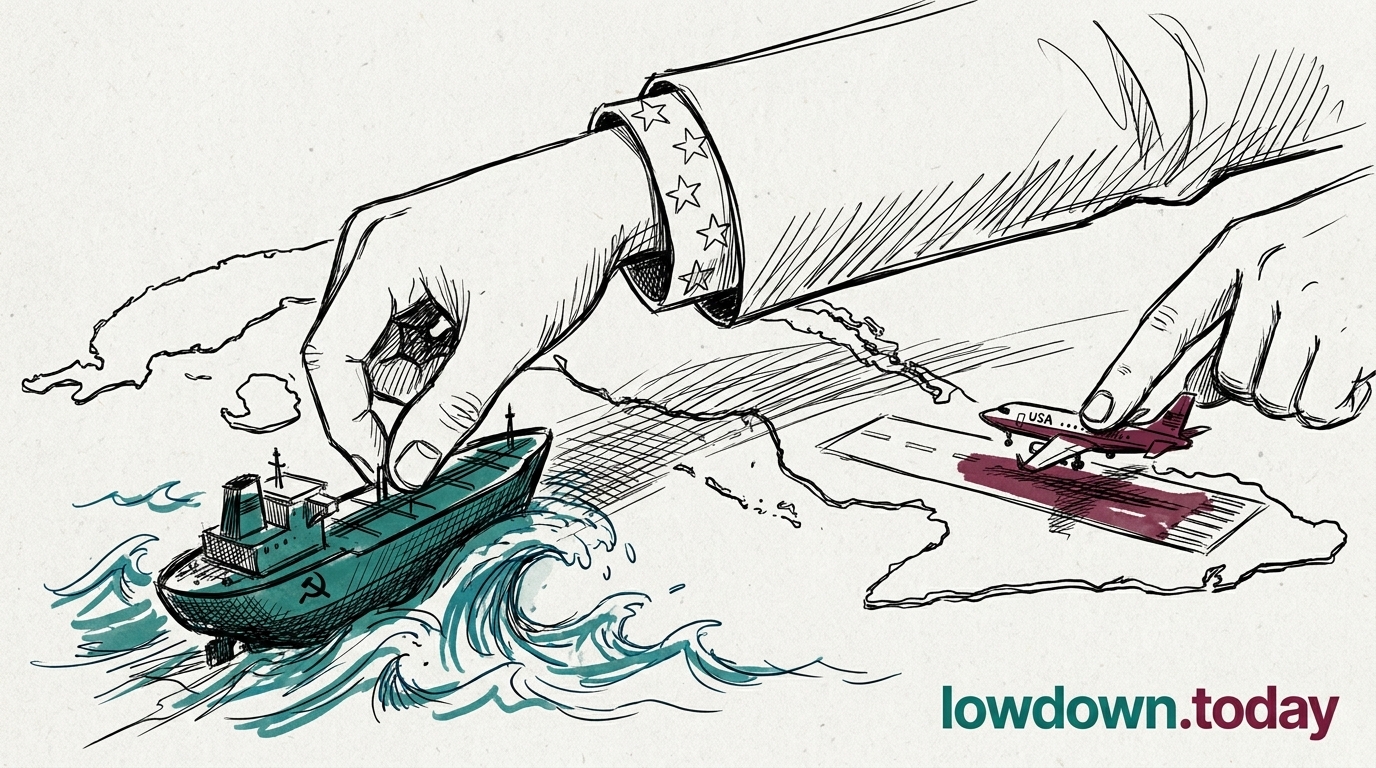
The cause runs through a fuel gap now roughly seven weeks old. No tanker has reached Cuba since the Universal, a Sovcomflot (Russian state shipping) vessel, turned away on 26 May, and the 11 June designation of the state oil importer CUPET hardened the blockade by killing a 250,000-barrel private deal. Cuba produces roughly 40,000 barrels a day against 90,000 to 110,000 of demand, and the small distributed diesel plants UNE leans on when the Soviet-era thermal units fail are the first capacity to stall when a tanker does not dock.
Those idle centres provide the swing capacity that normally covers the evening peak, and they cannot run on fuel that is not arriving. When two provinces in three lose grid power together, hospitals, clinics and water-pumping stations go down with them, across most of the island at once rather than in rotation.




