Skip to content
You can now search across every topic, entity and event.What's new
Cuba Dispatch
4AUG

Supreme Court reopens Cuba land suits

3 min read
10:34UTC

The US Supreme Court ruled 6-3 on 23 June that Helms-Burton strips Cuban state entities of sovereign immunity, exposing Meliá and Iberostar to trafficking suits over property seized after 1959.

PoliticsDeveloping
Key takeaway

The Supreme Court lets Cuban-American families sue Meliá and Iberostar over confiscated hotel land.

The US Supreme Court ruled 6-3 on Tuesday 23 June that the 1996 Helms-Burton Act strips sovereign immunity from agencies and instrumentalities of the Cuban government, clearing US federal courts to hear "trafficking" suits against foreign firms that operate on property confiscated after the 1959 revolution 1. The Spanish hotel groups Meliá and Iberostar, which run resorts on expropriated land, are named as directly exposed.

Title III of the Act gives Cuban-American families whose land was seized a private right to sue in US court; the ruling removes the sovereign-immunity defence that Cuban state entities, and by extension their foreign partners, could once stand behind. Presidents waived Title III for more than two decades after 1996, and suits became possible only when the waiver first lifted in 2019. This decision goes further, stripping the immunity shield that survived even after that waiver lifted.

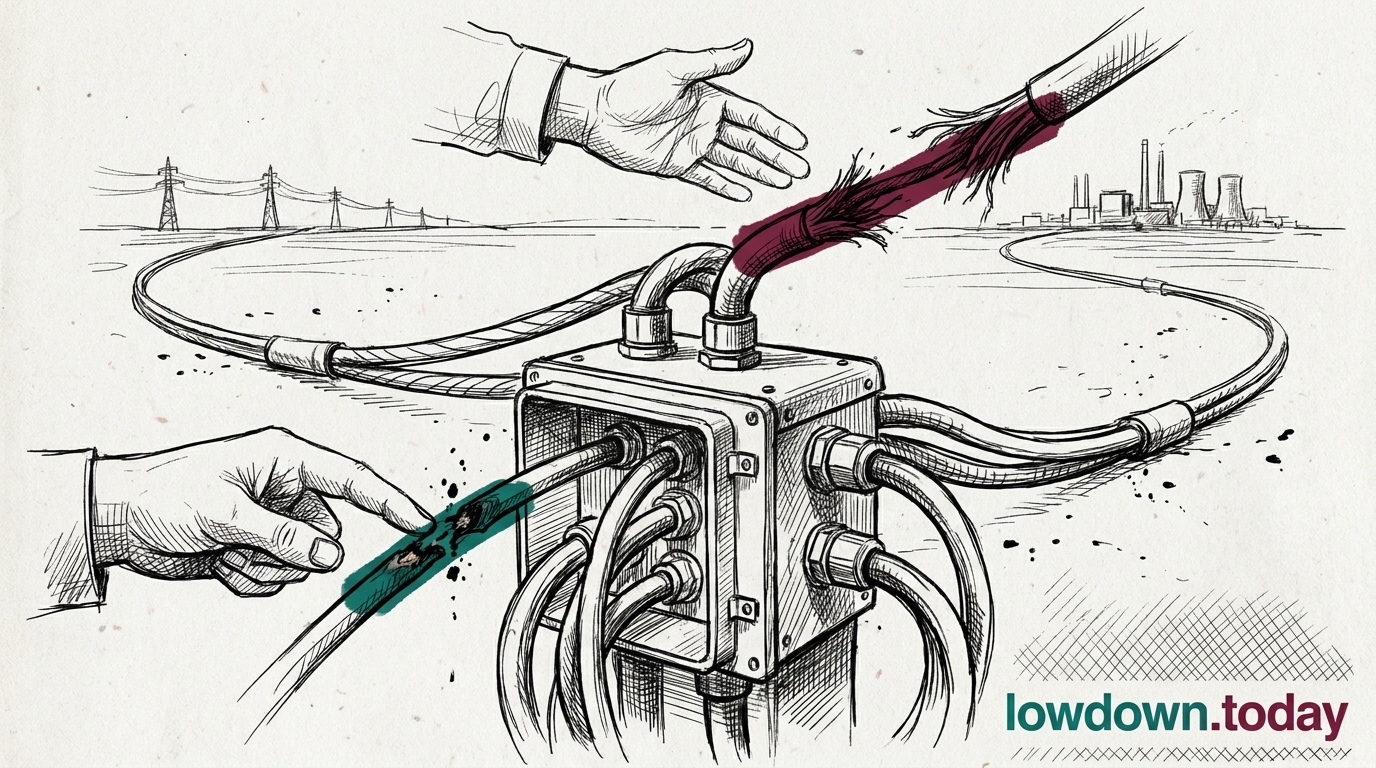
The ruling came from the judiciary on its own docket, not from Treasury. Two separate US institutions closed two separate channels in the same week, with no coordination shown between them: OFAC blocked transactions on 23 June while the Court removed an immunity shield the same day. Meliá had already begun ending management contracts on its Cuban hotels , and Iberostar and other chains pulled out of GAESA-run resorts before the 5 June wind-down deadline ; the decision raises the litigation cost of any Cuba footprint they have kept.


Deep Analysis

In plain English

Cuba took over land and buildings from private owners after its 1959 revolution. A 1996 US law called Helms-Burton lets Americans whose property was taken sue, in US courts, any company now profiting from that property, even a foreign one. For years, US presidents used a waiver to switch that lawsuit right off, because it would have caused legal trouble for allied countries' companies. The Supreme Court's ruling removes one more legal defence, meaning Cuba's state-run businesses and the foreign hotel chains that partner with them, like Spain's Meliá and Iberostar, can be sued in the US with one fewer shield to hide behind.

Deep Analysis
Root Causes

Title III of the 1996 Helms-Burton Act has allowed US lawsuits over confiscated Cuban property since enactment, but every president from Clinton through Obama invoked the law's six-month waiver to suspend that right of action, judging the litigation risk to US allies too disruptive to activate. Trump's first administration let the waiver lapse in 2019, opening the door the Supreme Court has now widened by removing Cuba's sovereign-immunity defence.

The ruling did not create Title III exposure; it removed one specific defence, sovereign immunity for Cuban state entities, that firms like Meliá and Iberostar could previously raise. The judicial and Treasury tracks are now moving in the same direction without coordinating: Treasury set GAESA's wind-down deadline on its own timetable while this case worked through the federal docket on its own schedule.

What could happen next?
  • Consequence

    Meliá and Iberostar lose the sovereign-immunity defence for any residual claim tied to GAESA-linked Cuban property, on top of the hotel management contracts they are already exiting.

    Immediate · Assessed
  • Risk

    Other foreign operators of confiscated Cuban property, not just the two named Spanish chains, now face the same reduced defence in any future Title III filing.

    Short term · Suggested
  • Precedent

    The ruling extends a pattern in which the judiciary and Treasury are closing distinct Cuba-exposure channels on separate timetables without visible coordination between the two branches.

    Medium term · Suggested
First Reported In

Update #9 · Cuba's dollar reform, no bank to clear it

Moncloa· 1 Jul 2026
Read original
Causes and effects
This Event
Supreme Court reopens Cuba land suits
The 6-3 ruling opens US federal courts to private suits against foreign firms on confiscated Cuban property.
Different Perspectives
OCDH (Observatorio Cubano de Derechos Humanos), Madrid
OCDH itemised its previously reported first-half tally of 1,949 repressive actions into named categories, including 91 cases against independent journalists and 50 retaliations against prisoners' relatives. The monitor documents state conduct without endorsing sanctions as the remedy, a distinct position from Washington's designation campaign.
US State Department and OFAC
Four Federal Register notices on 31 July confirmed GAESA's own SDN designation dates to 7 May, closing a gap left by coverage that described only GAESA-controlled assets as sanctioned; Rubio separately called US sympathy for Cuba anti-Americanism. Whether the lagged gazetting reflects deliberate sequencing or administrative backlog is not established.
Unión Eléctrica (UNE), Cuba's state grid operator
UNE's load-dispatch director blamed the 2 August total collapse on a 110kV Havana substation fault and a Felton trip, not the storm damage CNN and AP cited, and a day later Decreto 160 took force, de-listing 46 private-sector activities. Havana's own record was more specific, and more severe, than the wire account.
Spain (Foreign Ministry and hotel investors)
Madrid has worked to shield Spanish hotel operators exposed to Cuba, and OFAC's General Licences 2 and 3 winding down the Guernsey-listed CEIBA Investments fund give those investors a defined exit rather than an abrupt block. Spain's stake in managing an orderly wind-down, not confronting the designation itself, keeps it distinct from Havana's collective-punishment framing.
Cuban Ministry of Foreign Affairs (MINREX)
Foreign Minister Bruno Rodriguez Parrilla called the 23 July designations "castigo colectivo" and defended the medical missions as protecting healthcare access for patients in the countries where Cuban doctors serve, without addressing the evasion allegation against Coral Maritima directly.
US Treasury (OFAC) and State Department
OFAC designated Cuba's medical-missions operators and named the Mariel-Coral Maritima transfer as GAESA sanctions evasion on 23 July, characterisations Washington has not independently substantiated in public documents reviewed. The administration frames the wave as closing hard-currency channels sector by sector, following the same pattern applied to tourism and financial clearing in June and July.