Skip to content
You can now search across every topic, entity and event.What's new
Cuba Dispatch
26JUL

Tourism falls 55.8% as the peso slides

2 min read
10:44UTC

Tourism arrivals fell to 30,883 in May, with the January-to-April total down 55.8% year on year, stripping out roughly half the foreign currency tourism feeds Cuba. The reform bets private capital can rebuild a hard-currency base the sanctions are gutting.

PoliticsDeveloping
Key takeaway

Tourism fell 55.8% as the reform passed, gutting the hard-currency base it bets on rebuilding.

Tourism arrivals to Cuba fell to 30,883 in May, with the January-to-April total down 55.8% year on year 1. That is enough of a fall to strip out roughly half the foreign currency that tourism feeds into the economy. Tourism is, with diaspora remittances, one of Cuba's two main hard-currency sources, and the reform's foreign-investment pillar targets exactly this gap.

The hotel exodus deepens it. The Spanish chains Melia and Iberostar, which ran GAESA-linked properties, have walked rather than risk US blacklisting , removing both the rooms and the marketing that fills them. Each chain that exits takes a slice of inbound dollars with it, so the 55.8% arrivals fall understates the foreign-exchange loss: the rooms that close are the ones that earned in dollars rather than pesos.

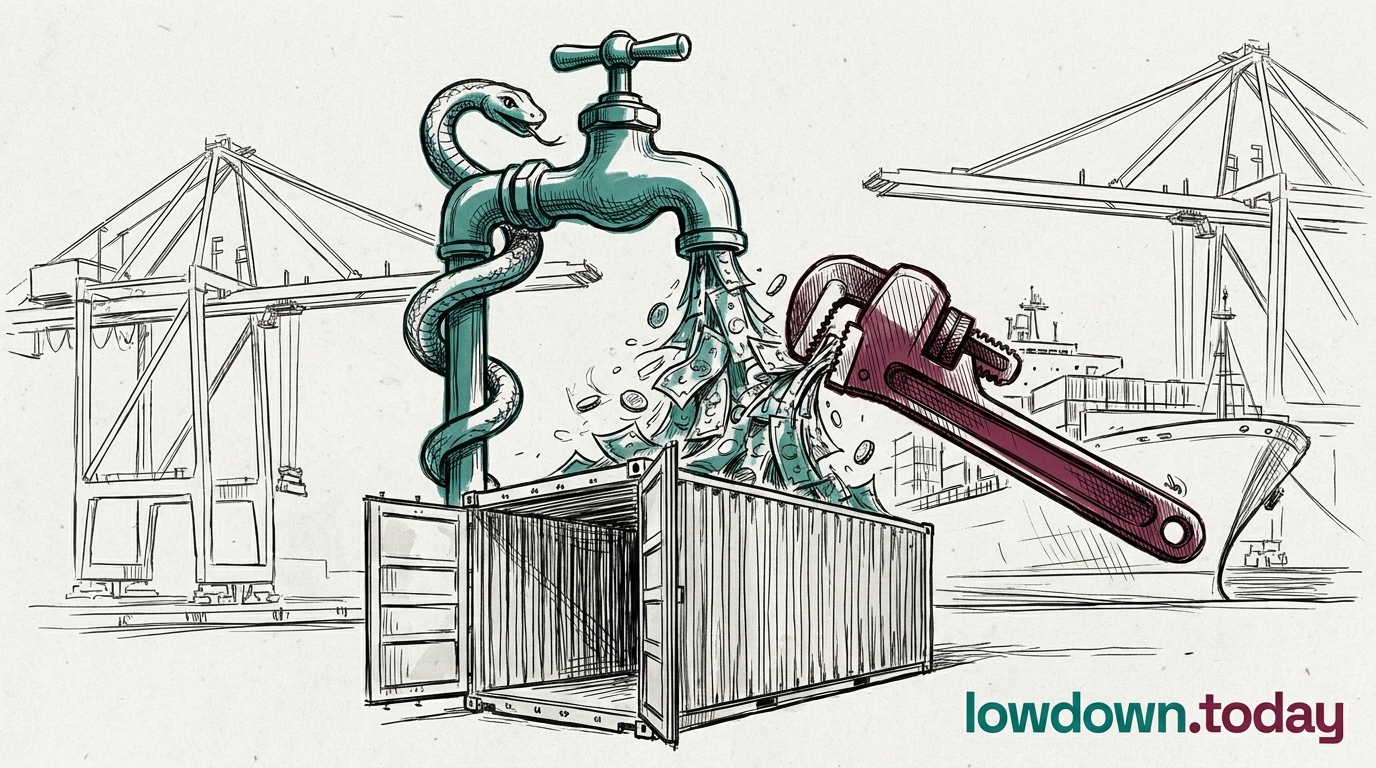
GAESA sanctions drive a self-reinforcing loop: they push the hotel chains out; fewer tourists supply less foreign exchange; the dollar shortage that has already driven the peso to record lows widens; inflation and shortages deepen; protests and repression follow . The reform's foreign-investment pillar is meant to break that loop by attracting private capital from abroad. The sanctions cut against it at the same node: the lost tourism dollars are the largest single source of the hard currency the reform needs, and the same secondary-sanctions exposure that emptied the GAESA hotels deters the foreign investors the new rules invite. Havana legislated a hard-currency rebuild on the same days its hard-currency base was draining fastest.


Deep Analysis

In plain English

Cuba depends on tourism for much of its foreign income, the dollars it needs to buy imported fuel, food and medicine. In May 2026, only 30,883 tourists visited the whole island, a catastrophic figure. For comparison, before the 2020 pandemic Cuba had over 4 million visitors a year. The collapse happened because major hotel chains left Cuba after US sanctions made it too risky to stay, and because international bank cards stopped working. At the same time, the Cuban peso lost most of its value. In January 2026 you could get about 411 pesos for one US dollar on the official market. By June the informal market rate was 670 pesos per dollar. Cuba's economy is being squeezed from both sides: less hard currency coming in from tourists, and each dollar buying more pesos as Cubans lose confidence in the currency. The reform package tries to address this, but the steps it takes need foreign investment and trade access that the US sanctions currently block.

Deep Analysis
Root Causes

Tourism's collapse from roughly 2.4 million arrivals in 2023 to a 2026 trajectory of below 500,000 has two compound drivers. First, the GAESA hotel exodus: Melia exited 15 of 34 hotels, Iberostar and Aston also departed, collectively removing the brand-name inventory that international tour operators require for package sales. Second, the Visa and Mastercard card-rail suspension made payment practically impossible for foreign visitors arriving with standard international cards.

The peso's slide from 411 per dollar in January 2026 to 670 in June represents a 63% depreciation in five months. CEPAL's 10.3% cumulative contraction projection covers 2025-2026. The 1990s Special Period, which this contraction is now compared to, saw GDP fall roughly 35% between 1989 and 1993, but that decline unfolded over four years. The 2025-2026 trajectory is compressing a similar structural collapse into roughly 18 months.

The reform's devaluation commitment (moving from official 555 toward informal 670) is the monetary acknowledgement of what the El Toque tracker has been documenting since June 2026: the peso has already lost most of its store-of-value function, and the official rate is a fiction that creates arbitrage opportunities for anyone with access to dollars.

First Reported In

Update #8 · Cuba opens its economy as the door slams

Washington Post· 19 Jun 2026
Read original
Different Perspectives
Spain (Foreign Ministry and hotel investors)
Madrid has worked to shield Spanish hotel operators exposed to Cuba, and OFAC's General Licences 2 and 3 winding down the Guernsey-listed CEIBA Investments fund give those investors a defined exit rather than an abrupt block. Spain's stake in managing an orderly wind-down, not confronting the designation itself, keeps it distinct from Havana's collective-punishment framing.
Cuban Ministry of Foreign Affairs (MINREX)
Foreign Minister Bruno Rodriguez Parrilla called the 23 July designations "castigo colectivo" and defended the medical missions as protecting healthcare access for patients in the countries where Cuban doctors serve, without addressing the evasion allegation against Coral Maritima directly.
US Treasury (OFAC) and State Department
OFAC designated Cuba's medical-missions operators and named the Mariel-Coral Maritima transfer as GAESA sanctions evasion on 23 July, characterisations Washington has not independently substantiated in public documents reviewed. The administration frames the wave as closing hard-currency channels sector by sector, following the same pattern applied to tourism and financial clearing in June and July.
Human rights monitors (OCDH and Prisoners Defenders)
OCDH's 14 July dictamen named the specific offices responsible for holding Otero Alcántara past his sentence-expiry date; Prisoners Defenders counted 1,306 political prisoners, including 40 detained minors, on 9 July. Both oppose the Cuban government's account without endorsing Washington's sanctions instrument as a remedy.
US State Department
US State Department
Secretary Rubio said Cuba 'continues to ally itself with America's enemies' and framed the 13 July designations as deploying 'every tool at our disposal', now citing forced-labour export to Angola for the first time. These quotes rest on cached web snippets; state.gov was unreachable this run and could not be directly verified.
Cuban Ministry of Foreign Affairs
Foreign Minister Bruno Rodríguez Parrilla called the 13 July designation package 'criminal and genocidal' and said 'Cuba is not a threat and US intelligence agencies know it'. State media frame the 16 July gas-price rise as a direct consequence of the intensifying blockade, though Havana has not disclosed its own container-import shift dated 3 July.