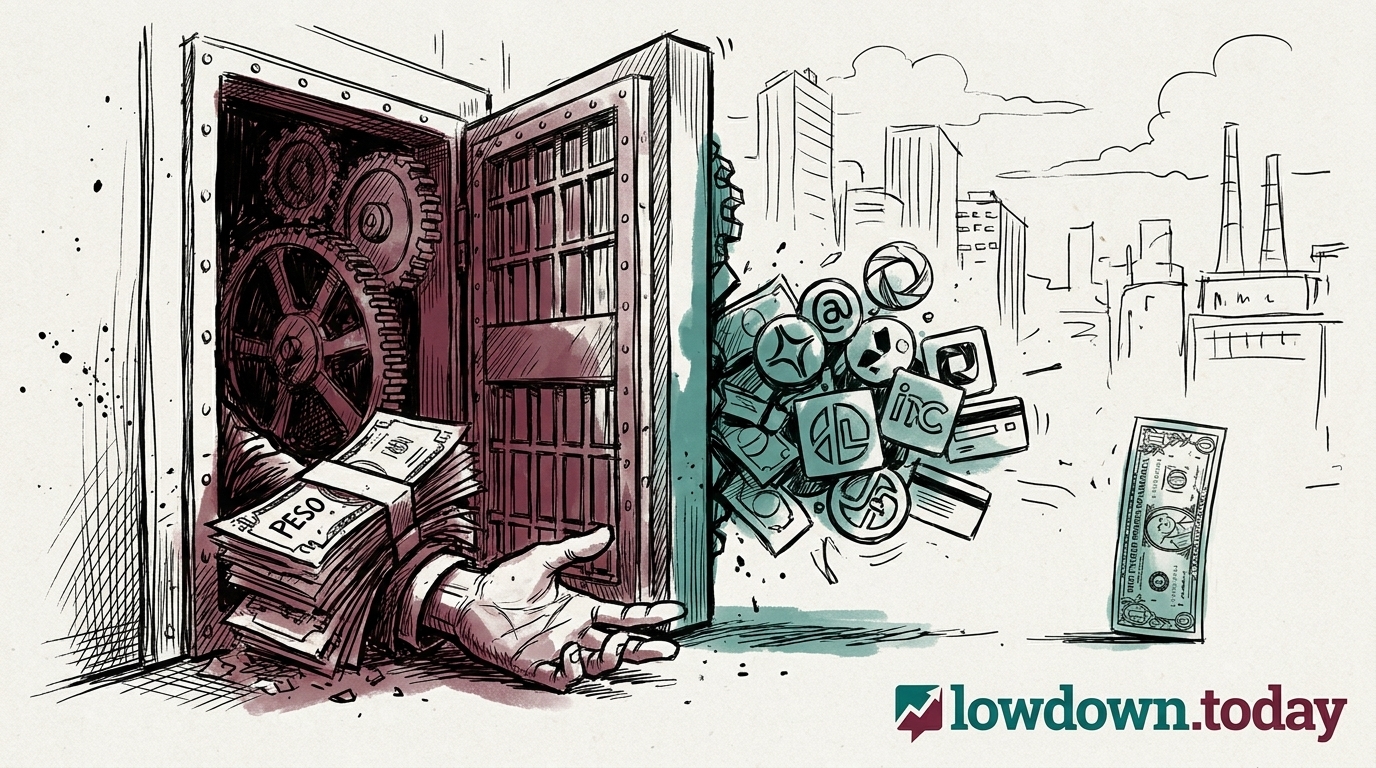
On the nights of Wednesday 3 and Thursday 4 June 2026, residents of Havana and Guanabacoa, a municipality on the capital's eastern edge, took to the streets banging pots, the cacerolazo that has marked Cuban protest before1. Police saturated the streets. Electricity was restored to the protest areas within hours, a documented Cuban crowd-management tactic in which the rationed grid is used as a political instrument; the speed of restoration is itself evidence the outages are managed, not purely involuntary.
Lowdown reports these protests as a verified pattern drawn from multiple independent artefacts across separate neighbourhoods, not from any single named resident. On-island accounts of spoiled medicine and of households questioning how the week can still be called living are kept un-identifiable by design, because naming a participant under this security apparatus carries real risk.
These are the first confirmed Havana protests of the escalation that followed the gas, water and food failures of early June and the loss of fuel after the 26 May tanker diversion. The capital concentrates the security forces, the diplomatic corps and the foreign press, so unrest there changes the regime's risk calculus in a way that a year of eastern blackouts did not.




