Skip to content
Welcome, thoughtbot's Giant Robots listeners!Start here
Autonomous Systems: Land & Sea
29MAY

Type 91 to 94 robot fleet takes shape

2 min read
08:47UTC

The Ministry of Defence attached £1.5 billion and a 2030 target to the Royal Navy's four new uncrewed classes, publishing their first size figures.

TechnologyDeveloping
Key takeaway

Britain put £1.5 billion and firm sizes behind four uncrewed warship classes, though no builder is yet named.

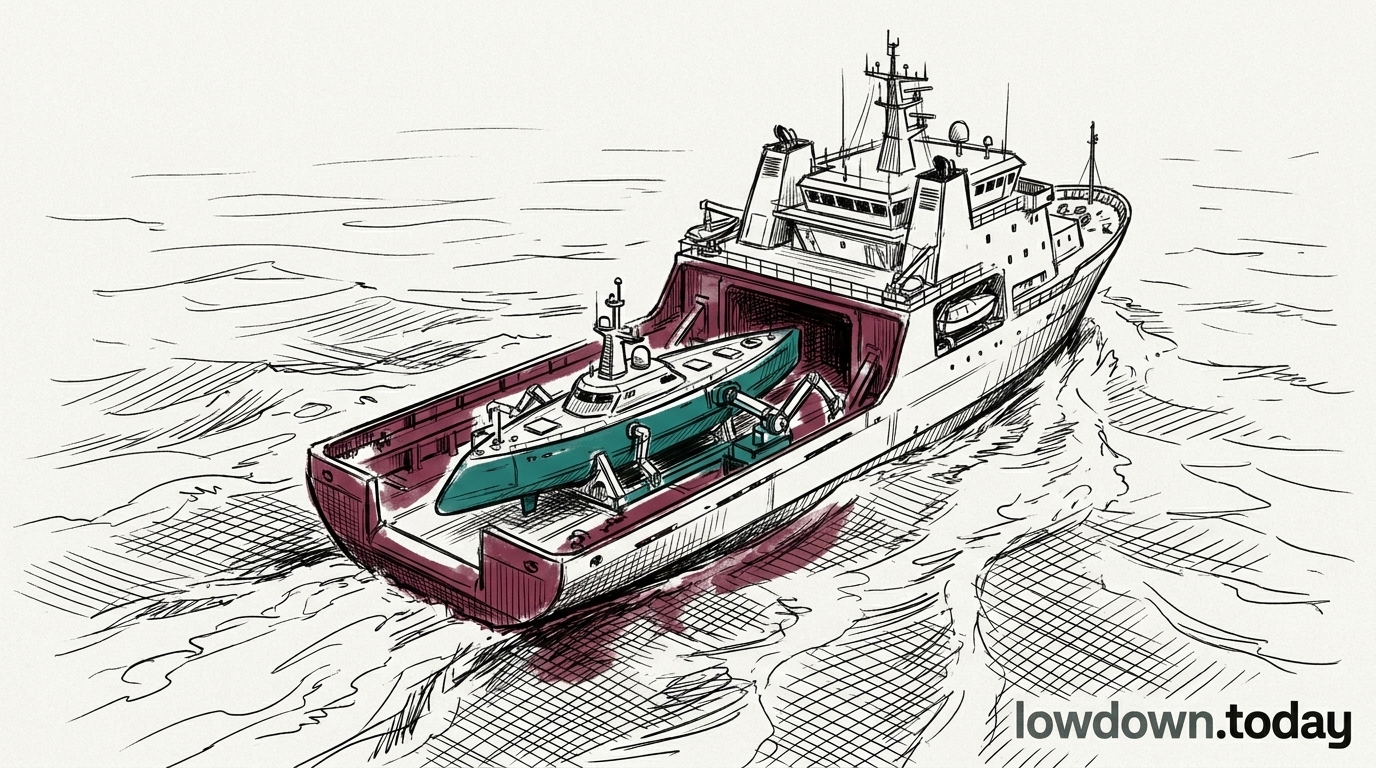
The Ministry of Defence attached a £1.5 billion, four-year funding line and a 2030 delivery target to the Royal Navy's four newly designated uncrewed hulls on 16 July 2026, publishing their first size figures.⁠1 The classes were first named in the 30 June Defence Investment Plan; the detail now firms up what each hull is for.

Type 91 is an uncrewed missile platform of roughly 70 to 75 metres; Type 92 an autonomous anti-submarine warfare platform near 90 metres; Type 93 an extra-large uncrewed submarine (XLUUV) grown from the existing Excalibur trials programme for long-endurance surveillance; Type 94 an uncrewed sensor platform of up to 3,000 tonnes for fleet and homeland air defence. The Ministry targets the first large autonomous vessels, including a prototype missile platform and XLUUVs, in service by 2030.

That architecture sits alongside the at least six Common Combat Vessels recast as drone-control hubs, sketching a surface fleet where crewed motherships direct uncrewed shooters and sensors rather than fighting alone. No contractor is named and no in-service date beyond the 2030 aspiration is set, which leaves the delivery risk on a programme now sized in metres and billions but not yet in signed steel.

Deep Analysis

In plain English

Britain has given more detail about four new types of uncrewed warship it plans to build, numbered Type 91 to Type 94. One will fire missiles, one will hunt submarines, one is a large underwater robot for long missions, and one will carry sensors to spot threats from the air. The government has promised at least £1.5 billion over four years for this work, and wants the first of these robot ships working by 2030. But no company has yet been chosen to actually build them, so the plan is still on paper rather than in a shipyard.

Deep Analysis
Root Causes

The Ministry of Defence is naming four distinct hull types rather than one flexible class because each mission set, missile strike, anti-submarine sensing, extra-large underwater surveillance, and air sensing, demands a different hull form and sensor fit that a single uncrewed platform cannot combine without unacceptable compromises in size or endurance.

Type 93's design is growing directly out of the Excalibur trial vehicle rather than starting fresh, because the Submarine Delivery Agency's 2026-to-2028 Excalibur contract already generated hull and endurance data the Ministry of Defence can reuse rather than re-fund from scratch.

What could happen next?
  • Risk

    Four hull classes advancing at once concentrates budget and schedule risk in one spending review period rather than spreading it across sequential builds.

First Reported In

Update #7 · Thales buys Exail; UK retires a minehunter

The News (Portsmouth)· 18 Jul 2026
Read original →
Different Perspectives
Kongsberg
Kongsberg
Kongsberg offered Arctic Hunter, an uncrewed ship of commercial Arctic design, for Britain's Type 92 submarine-hunter requirement, Naval News reported. It puts a civil hull design forward for a Royal Navy submarine-hunting role.
Swedish Defence Materiel Administration (FMV)
FMV gave Teledyne Gavia a SEK 13.67m follow-on for portable mine-hunting robots on 19 November, with no prior call for competition. Sweden is adding to an earlier Gavia order rather than opening the buy to rivals.
Royal Netherlands Army (MatLogCo)
The Dutch tender of 23 November sets €160m aside for at least seven mine-breaching ground robots. Its stated aim is to add an uncrewed option to existing breaching kit and protect personnel, the engineers who would otherwise drive in first.
Tesla Gigafactory Berlin-Brandenburg (Andre Thierig)
The plant director announced a Cybercab building at Grünheide, with production from 2029 and a hoped-for ramp to up to 1 million a year. Tesla self-certified the car, which has no steering wheel or pedals; NHTSA has alleged no breach.
WeRide
WeRide
WeRide told US investors that more than 90% of its robotaxi revenue now comes from outside China, with about 600 cars in the Middle East. It claims "positive unit economics" in Guangzhou but discloses no cost basis for the claim.
HD Hyundai
HD Hyundai
HD Hyundai built ASV ALPHA with Anduril before any order, and Choi Tae-bok says it will enter the prototype if a US tender comes out next year. The group aims to lift its naval revenue five- to tenfold within a decade, iNews24 reports.

Written with AI from Lowdown's published reporting. Not individually reviewed by an editor. Editorial standards.