Skip to content
Welcome, thoughtbot's Giant Robots listeners!Start here
Autonomous Systems: Land & Sea
29MAY

Common Combat Vessel buries the Type 83 destroyer

2 min read
08:47UTC

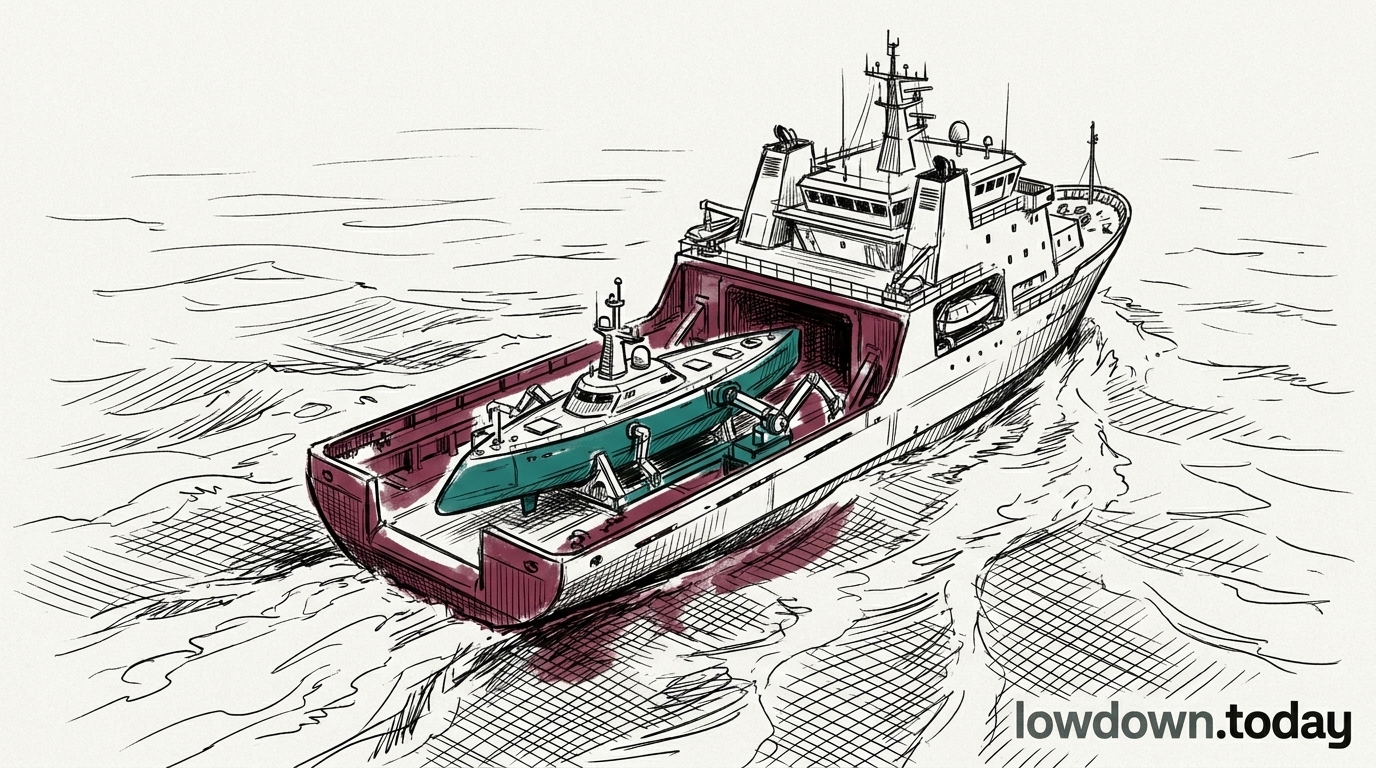
The same plan confirmed at least six Common Combat Vessels, recast as drone-control hubs, in place of the Type 83 destroyer the Royal Navy had been expected to buy.

TechnologyDeveloping
Key takeaway

The Royal Navy cancelled a destroyer for a drone-carrier concept, a bigger shift for shipbuilders than the class-naming.

The Common Combat Vessel replaced the planned Type 83 destroyer in the 30 June plan, with at least six hulls now framed as control nodes for fleets of aerial, surface and underwater drones. For the shipbuilding base the reframing is the whole story: the requirement shifts from a high-end air-defence combatant to a vessel whose value is the drones it commands.

The move gives the four newly named uncrewed classes a crewed hub to operate from, and it slots alongside the autonomous mine-countermeasures package the Royal Navy pushed into the Gulf a week earlier. A destroyer competition and a drone-mothership competition reward different suppliers, different combat systems and different integration skills, so the cancellation resets who is favoured to win.

The 30 June plan attached no unit price, in-service date or shipyard to the Common Combat Vessel, the same silence that surrounds the four named classes.

Deep Analysis

In plain English

The navy has dropped a planned new class of large destroyer and will instead build at least six cheaper ships designed mainly to control fleets of drones in the air, on the sea and underwater. For the towns and yards that build warships this is a big change: the work shifts from building a top-end warship to building a mothership for robots, which needs different skills and different contractors.

Deep Analysis
Root Causes

Cost is the proximate cause: a full Type 83 air-defence destroyer programme sits above what the settlement funds, so the requirement is being reshaped around a cheaper hull whose value is the drones it directs.

Doctrine is the deeper cause: the same 'uncrewed wherever possible' posture that produced the Type 91-94 classes needs a crewed node to command them, and the Common Combat Vessel is that node.

What could happen next?
  • Consequence

    Shipbuilders and combat-system suppliers positioned for a Type 83 destroyer competition must re-pitch for a drone-hub requirement.

  • Risk

    Substituting a control hub for a high-end destroyer could leave an air-defence capability gap if the uncrewed platforms slip.

First Reported In

Update #5 · Britain names four robot warship classes

GOV.UK· 3 Jul 2026
Read original →
Causes and effects
This Event
Common Combat Vessel buries the Type 83 destroyer
A crewed flagship programme has been cancelled and rewritten as an autonomy-command platform, changing what the primes who expected a destroyer competition are now bidding to build.
Different Perspectives
Kongsberg
Kongsberg
Kongsberg offered Arctic Hunter, an uncrewed ship of commercial Arctic design, for Britain's Type 92 submarine-hunter requirement, Naval News reported. It puts a civil hull design forward for a Royal Navy submarine-hunting role.
Swedish Defence Materiel Administration (FMV)
FMV gave Teledyne Gavia a SEK 13.67m follow-on for portable mine-hunting robots on 19 November, with no prior call for competition. Sweden is adding to an earlier Gavia order rather than opening the buy to rivals.
Royal Netherlands Army (MatLogCo)
The Dutch tender of 23 November sets €160m aside for at least seven mine-breaching ground robots. Its stated aim is to add an uncrewed option to existing breaching kit and protect personnel, the engineers who would otherwise drive in first.
Tesla Gigafactory Berlin-Brandenburg (Andre Thierig)
The plant director announced a Cybercab building at Grünheide, with production from 2029 and a hoped-for ramp to up to 1 million a year. Tesla self-certified the car, which has no steering wheel or pedals; NHTSA has alleged no breach.
WeRide
WeRide
WeRide told US investors that more than 90% of its robotaxi revenue now comes from outside China, with about 600 cars in the Middle East. It claims "positive unit economics" in Guangzhou but discloses no cost basis for the claim.
HD Hyundai
HD Hyundai
HD Hyundai built ASV ALPHA with Anduril before any order, and Choi Tae-bok says it will enter the prototype if a US tender comes out next year. The group aims to lift its naval revenue five- to tenfold within a decade, iNews24 reports.

Written with AI from Lowdown's published reporting. Not individually reviewed by an editor. Editorial standards.