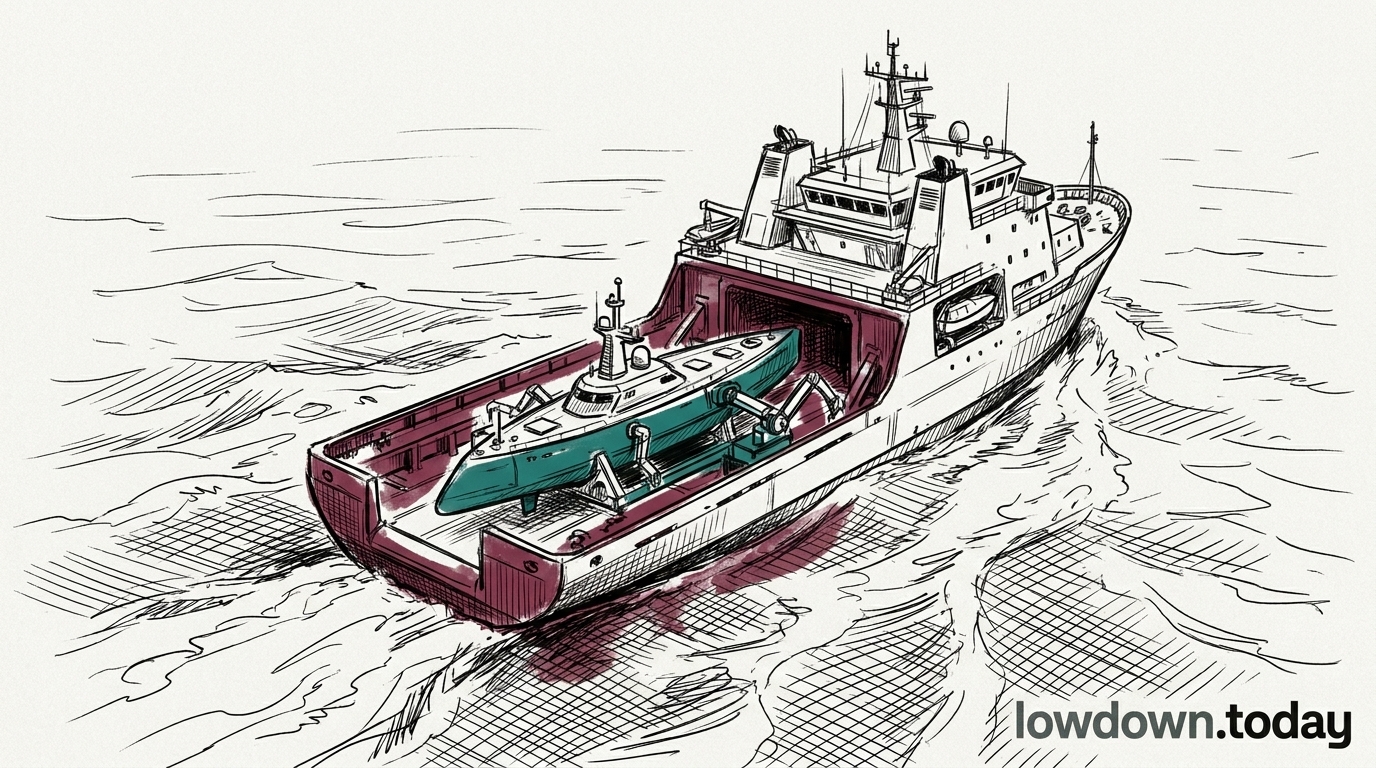
The International Maritime Organization's Maritime Autonomous Surface Ships (MASS) Code is set to enter force on 1 July 2026, opening its Experience Building Phase1. The Code is the first global framework for cargo ships that sense, navigate and steer with reduced crews or none aboard, adopted in London in May. It is also a framework that takes effect with the questions it was meant to settle still open.
Nautilus International, the seafarer union, names three gaps that the Code leaves open2. On liability, "the Code keeps a human master legally responsible but does not say who answers when that master sits ashore and something goes wrong," said David Appleton, the union's head of professional and technical. On safety, nobody has shown that one master can safely supervise several vessels at once, the watchkeeping model the Code permits. On jobs, shore control rooms create new roles while threatening to displace higher-paid sea-going officers with cheaper operators on land.
What takes effect on 1 July is a procedural milestone over an unresolved core question. A code that keeps a master legally responsible without allocating liability for a remote one leaves a defined accountability hole, and that hole gets filled by whoever has to price the risk. Classification societies including DNV and Lloyd's Register are already running parallel assurance frameworks alongside the Code, and the courts will eventually settle the remote-master liability the regulation chose not to define.


