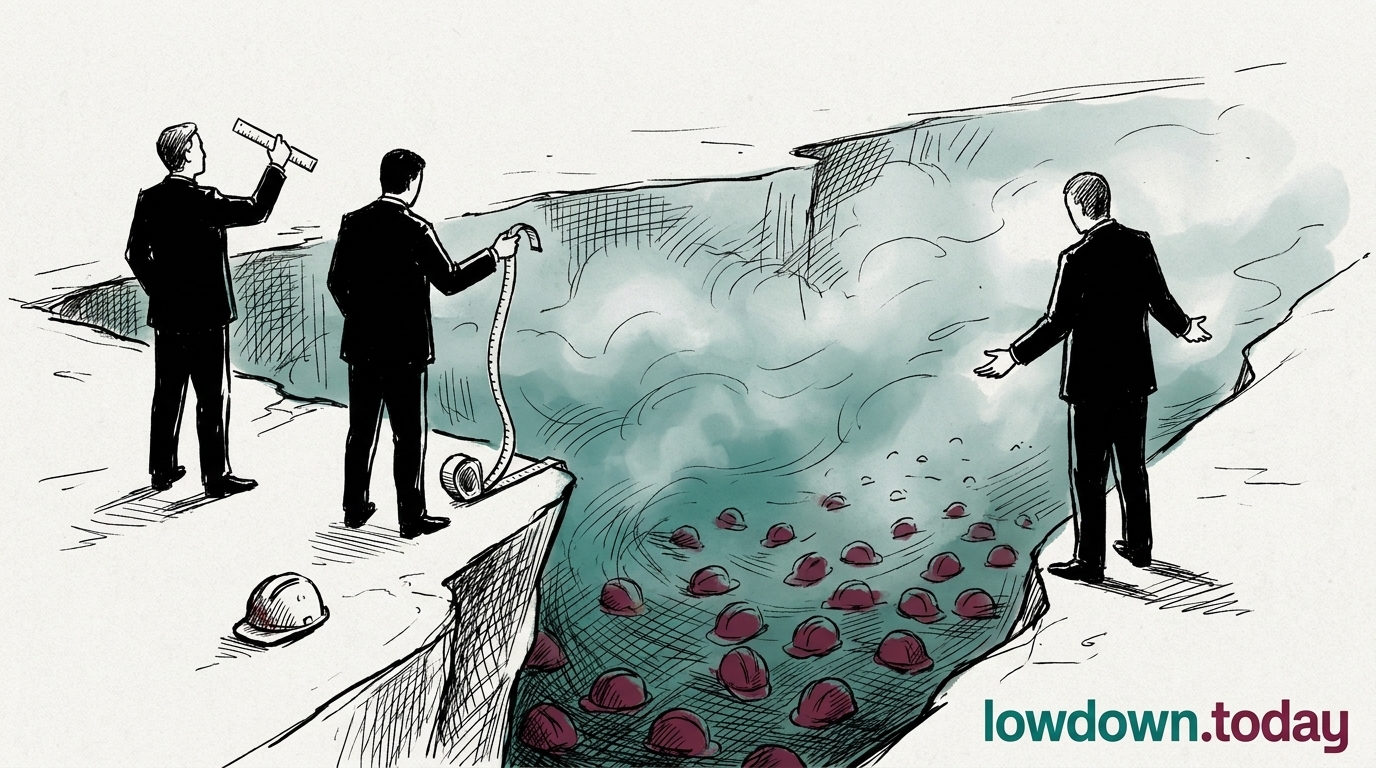
A super PAC called Leading the Future, backed by OpenAI President Greg Brockman, venture firm Andreessen Horowitz and Palantir co-founder Joe Lonsdale, has raised more than $125 million to defeat pro-regulation candidates in both parties in the 2026 US midterms, Axios reported on 14 April 2026. Total AI industry midterm spending is approaching $150 million. According to Axios, the fundraising surge tracks to the ten days after the bipartisan nine-senator Hawley-Warner letter became public and the same ten days that the Sanders-Ocasio-Cortez AI moratorium was killed by Democratic senators Fetterman and Warner . GZERO Media polling over the same period records 63% of Americans expecting AI to reduce employment, against 26% viewing AI positively.
This story has its primary home in the us-midterms-2026 topic; its relevance to the AI-jobs beat is narrower but direct. The political feedback loop this briefing has tracked, in which measurable displacement generates fiscal distress, which produces political pressure, which eventually yields regulation, is being short-circuited at the electoral stage, not the legislative one. The PAC's targeting logic is the reason: it is aimed at legislators working on workforce disclosure bills, not at moratorium sponsors who already lack a floor majority.
The Sanders moratorium was killed by Democratic defectors; the measurement-focused Hawley-Warner coalition has survived because agencies can act on it without legislation, which is also why the PAC needs to compete for seats held by legislators ready to fund better federal labour data. The public-opinion split on AI employment is the electoral floor the money is working against; within that, 50% of self-identified Republicans say they are concerned about AI, matching Democratic sentiment. The spending targets primary elections, where single-issue campaigns have historically been most effective at disciplining individual incumbents before a race polarises.
For the AI-jobs audience, the implication is operational rather than partisan. The Federal Reserve Board's reconciliation paper context documented the measurement failure that the Hawley-Warner letter asked the BLS to close. A super PAC now exists to defeat the legislators who could fund the closure. If the PAC succeeds on even a third of its target list, the NY Fed Survey of Consumer Expectations and private datasets from Challenger, Gray & Christmas, Stanford Digital Economy Lab and Goldman Sachs are likely to remain the de facto federal figures through the next Congress. The displacement the data does not measure would then accumulate against a legislative class elected partly on the premise that it should not be measured.





