Skip to content
You can now search across every topic, entity and event.What's new
AI: Jobs, Power & Money
10APR

Germany names the AI Act's enforcers

2 min read
16:54UTC

The Bundesrat approved Germany's implementing law for the EU AI Regulation on 10 July, fixing which authorities supervise and what the penalties are, for employment obligations that do not bite until December 2027.

EconomicAssessed
Key takeaway

Germany appointed enforcers for AI employment rules Brussels spent months softening.

The Bundesrat, the federal council representing Germany's sixteen states, approved the national implementing law for the EU AI Regulation on Friday 10 July, a month after the Bundestag passed it. 1 The law does not create obligations. It names the federal and state authorities that supervise them and sets the penalties for breach, ahead of the AI Act's high-risk employment deadline of 2 December 2027.

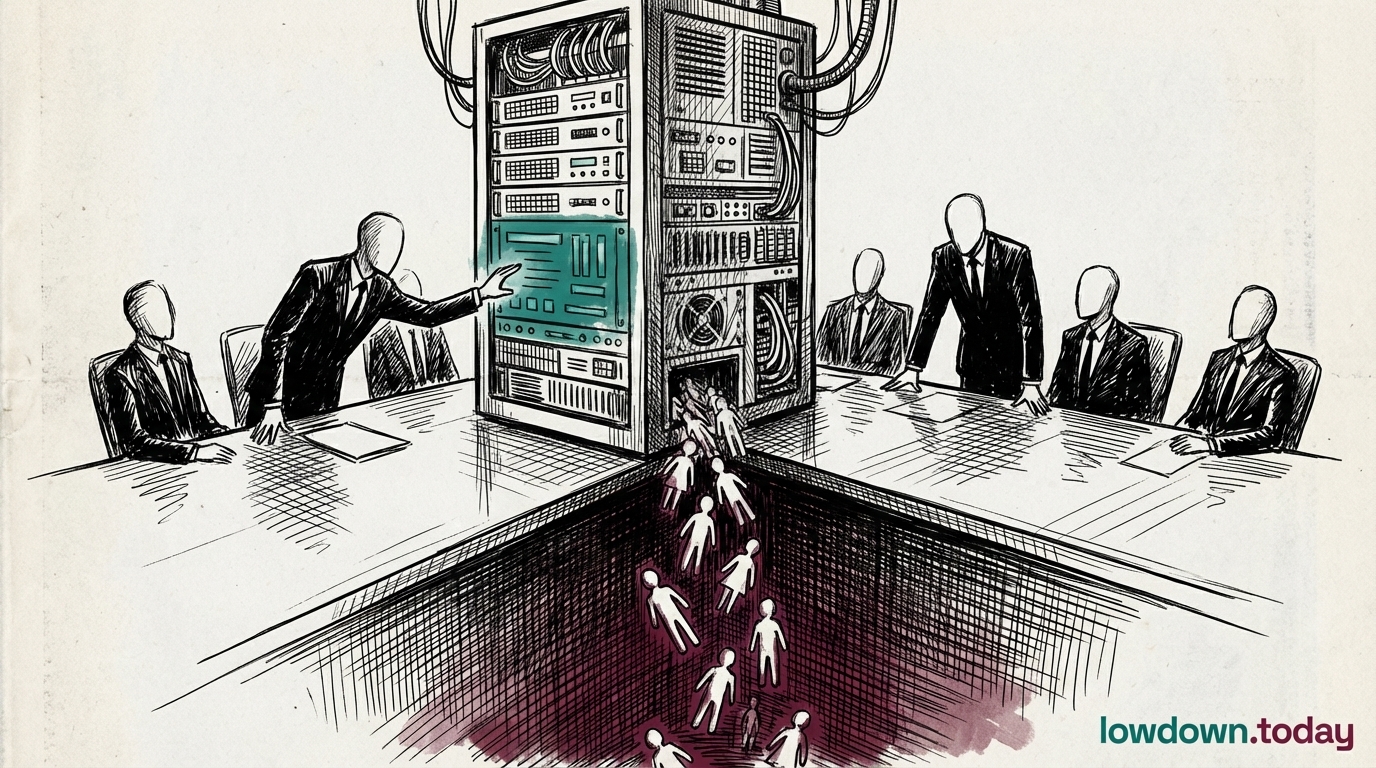
Grasp the plumbing and the significance follows. Brussels writes the duty; member states supply the enforcer. An EU-level obligation with no designated national authority is a duty that nobody has been told to police, so employers hear about it, lawyers write memos about it, and nothing happens. Germany has now built that machinery first, for provisions covering AI systems used in recruitment, promotion and dismissal.

The timing sharpens it. That December 2027 deadline exists in its current form because the Digital Omnibus put it there, a package the EU Council finally adopted on 29 June after Parliament had spent eight months stripping enforceability from the employer AI-literacy duty. So Germany has assembled the enforcement architecture for a set of obligations Brussels was busy diluting. The European Trade Union Confederation argues the Omnibus demonstrates the need for a dedicated AI work law, and France has no vehicle above the Omnibus floor at all.

Meanwhile California advanced three AI-employment bills on 1 July , including SB 951 and its proposed 90-day notice for AI-driven layoffs. Two jurisdictions, two clocks: Sacramento is legislating a duty it has yet to pass, while Berlin has finished appointing the people who will enforce one already on the books.

Deep Analysis

In plain English

Germany's Bundesrat, its federal council representing the 16 states, approved a law on 10 July naming which German authorities will enforce the EU's AI Act and what penalties they can impose, ahead of the Act's December 2027 deadline for high-risk workplace AI rules. EU rules like this one apply across the bloc automatically, but only a country's own law can say who polices them and what the fines are. Germany has now done that; many other EU states have not yet.

Deep Analysis
Root Causes

EU Regulations, unlike Directives, apply directly in every member state, but enforcement architecture, supervisory bodies and penalty regimes, is typically left for each state to build separately.

That split is why the AI Act could pass at EU level on 29 June while remaining toothless in any state that has not yet, like Germany's Bundesrat just did on 10 July, named who enforces it and what the penalties are.

What could happen next?
  • Precedent

    Germany is the first EU member state confirmed to have named enforcement authorities and penalties for the AI Act's employment provisions ahead of the December 2027 deadline.

First Reported In

Update #17 · Fed hedges as four banks cut headcount

Deutscher Bundestag· 17 Jul 2026
Read original
Different Perspectives
Office for National Statistics
Deferred its Transformed Labour Force Survey beyond November 2027 and disclosed a May 2026 telephone-collection failure. The ONS carries no AI-attribution layer at all, so Britain sits outside this month's cohort of measuring states by its own admission.
Uber India, Swiggy, Zomato and Urban Company
Named as respondents after the Karnataka High Court extended the interim welfare-fee deposit arrangement under the state's gig-worker welfare law to Uber India on 28 July, joining the other platforms already under the same order. The companies are contesting the underlying law while complying with the interim deposit terms.
Kenya State Department for ICT and the Digital Economy
Its draft AI policy, open for consultation to 4 August, proposes a pay floor for data-annotation work, where Kenyan annotators earn $1.46 to $3.74 an hour against $21 to $27 in the US, on figures relayed by the trade outlet WeeTracker. Kenya is legislating on AI labour even though the World Bank rates it among the least exposed economies.
ARAN and Italian public-sector unions
Signed the CCNL Funzioni Centrali 2025-2027 on 6 August, the first Italian national contract with a dedicated AI Title, barring fully automated employment decisions without meaningful human intervention and requiring advance union notice of AI deployment. The unions secured this through bargaining rather than waiting for legislation.
US employers reporting to Challenger, Gray & Christmas
Named artificial intelligence as the leading stated cause of job cuts for a fifth consecutive month in July, at 33% of that month's total, even as the overall cut count fell 27%. Employers kept citing AI as the reason even as scrutiny of the attribution rose.
Bank for International Settlements
Bulletin 130 reports a 0.75 percentage point average unemployment rise across high-AIPI countries between 2023 and 2025, while its own footnote 2 states the index is strongly correlated with employment shares in AI-exposed sectors it is used to predict. The bulletin calls the productivity payoff uncertain and uneven.