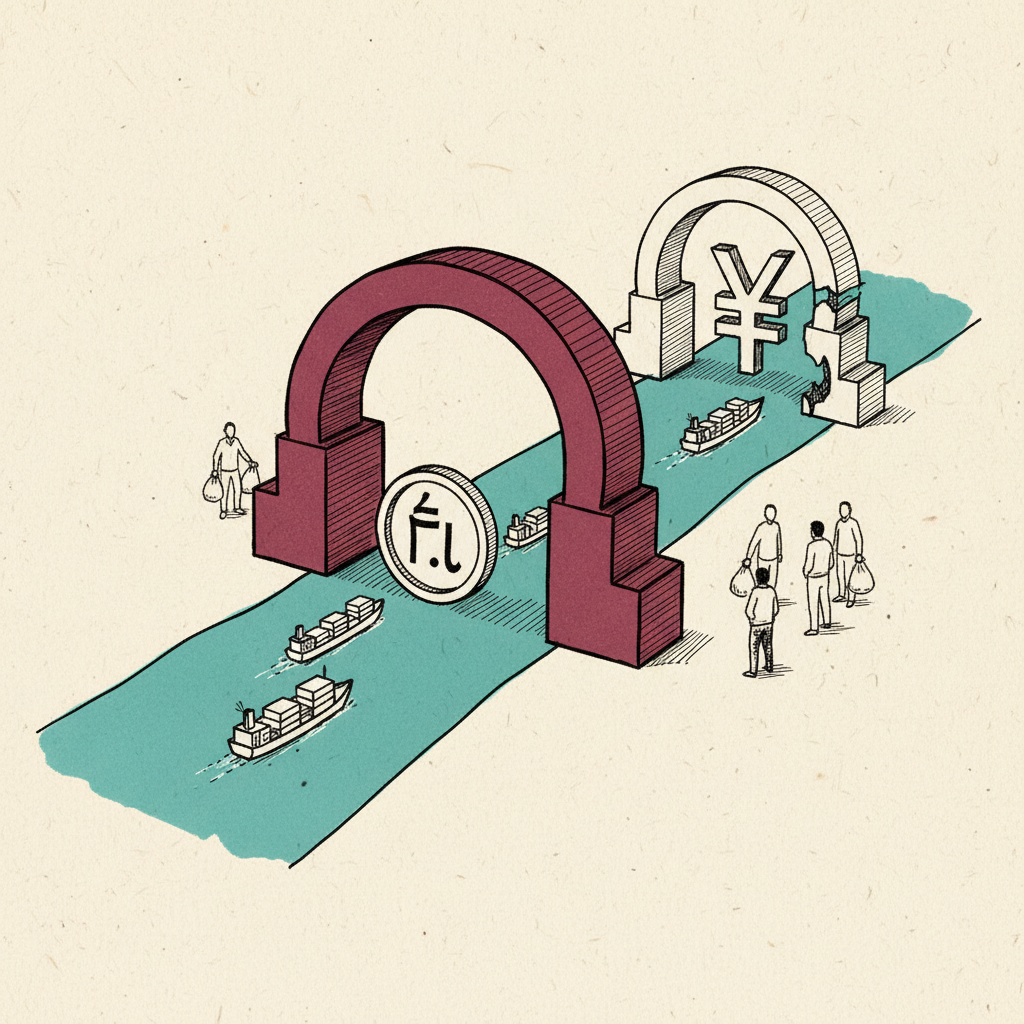
Can Iran ban yuan Hormuz payments while its own agency already collects them?
Timeline for Strategic Action Plan for Hormuz and Persian Gulf Security
Passed Majlis National Security Committee; no floor vote scheduled
Iran Conflict 2026: Rial bill, yuan portal, two shipsBackground
Iran's Majlis National Security Committee passed an 11-article Strategic Action Plan for Hormuz and Persian Gulf Security in The Week of 18 May 2026, reported by Mehr News Agency. The bill mandates that all vessel passage fees through the strait of Hormuz be collected exclusively in Iranian rial, bans ships from nations that 'participated in the Imposed War', requires war-damage reparations before such vessels may transit, and enforces compliance through seizure and 20% cargo confiscation. As of 21 May 2026, no floor vote has been scheduled.
The bill is directly incompatible with the Persian Gulf Shipping Authority portal that went live on 18 May 2026, which accepts yuan and Bitcoin as payment. If the bill passes in its current form, Iran's legislature will have criminalised the currency regime its own enforcement authority already operates. Beijing has been routing transit fees through the yuan channel the bill now seeks to outlaw, creating a structural contradiction between Iran's diplomatic arrangements with China and its domestic legislative process.
The bill reflects hardline Majlis pressure to formalise Iran's wartime leverage over the strait into domestic law. Whether it reaches a floor vote, and whether it would survive presidential signature in its current form, remains unresolved. The rial-only clause is operationally unenforceable in the near term: no major international clearing bank will open rial accounts for vessel operators under current sanctions architecture.
What does Iran's Majlis Hormuz security bill actually say?
Why is Iran's rial-only Hormuz bill incompatible with the PGSA portal?
Has Iran's Hormuz bill been signed into law yet?
