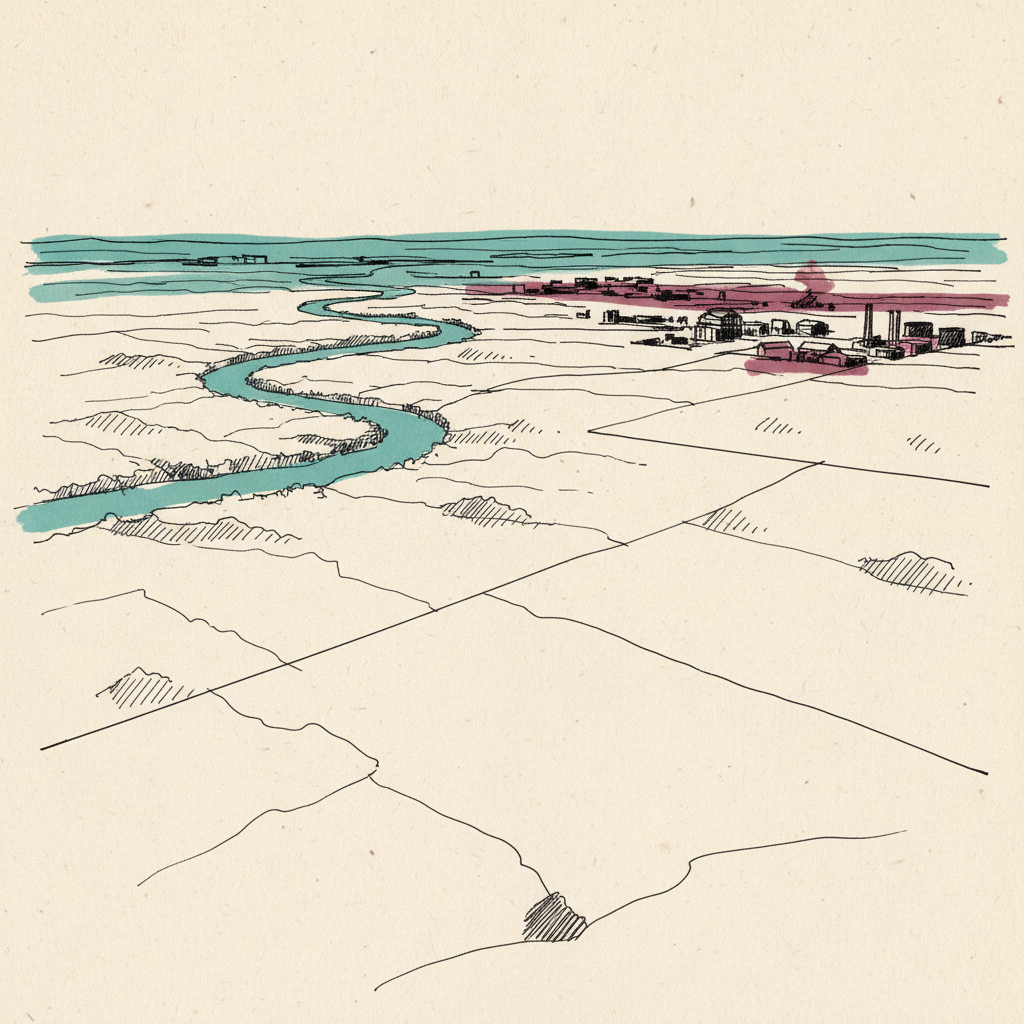
Shelby County
Tennessee county containing Memphis, carved across three districts; origin of Shelby v. Holder (2013).
On 7 May, Tennessee signed a map that splits Shelby County and Memphis across three congressional districts, following the Supreme Court's 29 April Callais ruling.
Last refreshed: 24 September 2026 · Appears in 2 active topics
Can Shelby County voters challenge the map that split them three ways?
Timeline for Shelby County
Mentioned in: NAACP sues for DOJ poll-monitor records
US Midterms 2026Mentioned in: Dhillon plans 1,000 DOJ poll monitors
US Midterms 2026Mentioned in: DOJ stakes voter-data fight on appeal
US Midterms 2026Mentioned in: Alabama voids its own primary mid-vote
US Midterms 2026Tennessee signs map carving Memphis three ways
US Midterms 2026Background
Shelby County is a Tennessee county containing Memphis, its county seat. It is a useful reference point in American voting-rights debates because its name attaches to Shelby County v. Holder, the 2013 Supreme Court case that struck down the Voting Rights Act's preclearance coverage formula.
The case removed the formula used to decide which jurisdictions needed federal approval before changing election rules or maps. Tennessee's later congressional redistricting therefore carries particular symbolic weight for the county: the place named in the ruling has become a focal point for arguments about its long-term effect.
Shelby County also anchors discussion of representation in Tennessee because Memphis is its largest city. Its legal history makes the county more than a local administrative unit when courts, lawmakers and civil-rights groups debate the Voting Rights Act.
Shelby County loses its district
On 7 May, Tennessee signed a congressional map that carves Memphis across three districts. For Shelby County, which contains Memphis, the change disperses its voters rather than placing them in one district centred on the county.
The redraw followed the Supreme Court's 29 April decision in Louisiana v. Callais. The ruling held that Section 2 of the Voting Rights Act does not require states to draw majority-minority congressional districts. That matters especially in Shelby County because it was the plaintiff in the 2013 case that ended the Act's federal preclearance formula.
What did the Shelby County v. Holder Supreme Court ruling do?
Why was Shelby County Tennessee divided across three congressional districts?
Can Black voters in Shelby County challenge the new Tennessee map?
Written with AI from Lowdown's published reporting. Not individually reviewed by an editor. Updated 24 September 2026. Editorial standards.