Section 202(c)
Federal POWER Act provision giving DOE emergency authority to curtail behind-the-meter power use; invoked twice in 2026 against data-centre backup gas.
Last refreshed: 15 July 2026
How did a 1935 grid-emergency law become the DOE's tool against data-centre backup generators?
Timeline for Section 202(c)
Mentioned in: PJM wants 50 MW loads curtailable
Data Centres: Boom and BacklashMentioned in: MISO's second grid emergency in July
Data Centres: Boom and BacklashMentioned in: Ireland codes a 900 MW load-loss limit
Data Centres: Boom and BacklashMentioned in: Chevron builds Microsoft a gas plant
Data Centres: Boom and BacklashVirginia floats a fee on backup gas
Data Centres: Boom and BacklashBackground
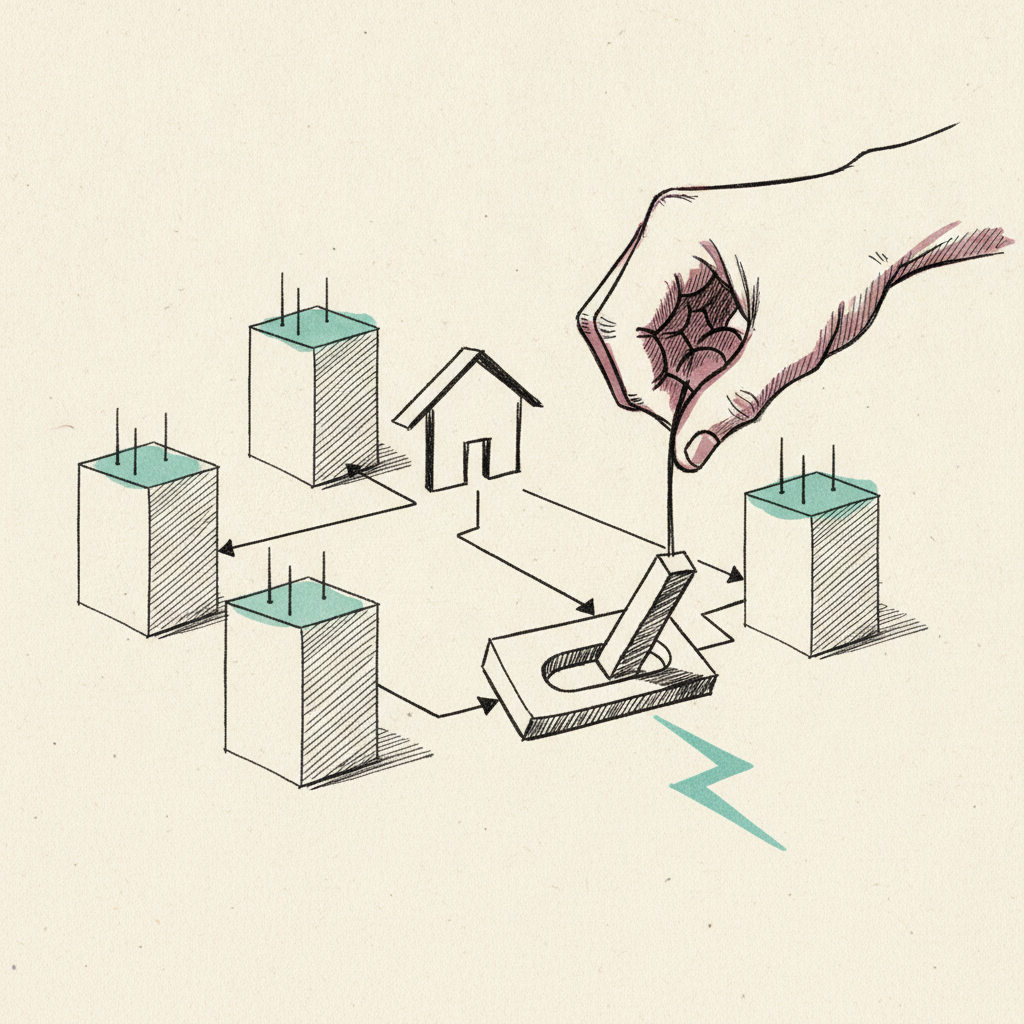
Section 202(c) of the Federal Power Act grants the US Department of Energy emergency authority to order electricity generation, transmission, or curtailment when a supply emergency threatens the grid. The DOE invoked the provision twice in 2026 specifically targeting behind-the-meter data-centre backup gas generation, a pattern that has recast a wartime-era statute as a tool for managing the power demands of hyperscale AI infrastructure.
Enacted as part of the Federal POWER Act of 1935, Section 202(c) was originally designed for fuel-shortage or grid-stability emergencies, typically invoked during extreme weather or supply disruptions. behind-the-meter generation, where data centres run their own diesel or gas generators without drawing from the public grid, has created a novel application: large campuses can, in effect, opt out of grid constraints during peak demand. The Virginia Senate Finance Committee's proposed backup-generator fee is a parallel legislative response to the same dynamic.
The dual invocations in 2026 are significant because they establish that DOE treats data-centre BTM generation as a grid-emergency factor rather than a private operational matter. Each invocation opens a legal question about the scope of federal emergency authority over private generation assets, and the data-centre industry has pushed back on the interpretation. FERC has a supervisory role over Section 202(c) orders, adding a layer of regulatory complexity to each use. Ireland's EirGrid and SONI arrived at a comparable outcome by the opposite legal route: rather than invoking emergency, case-by-case powers, they wrote a 900 MW demand-loss ceiling directly into the standing grid code on 30 June 2026, live from July, curtailing behind-the-meter risk as a permanent rule rather than a one-off order.
What is Section 202(c) of the Federal Power Act?
Why did the DOE invoke Section 202(c) against data centres in 2026?
How does behind-the-meter generation affect the power grid?
What role does FERC have in Section 202(c) orders?
How does Ireland's approach to data-centre curtailment differ from the US Section 202(c) model?
Written with AI from Lowdown's published reporting. Not individually reviewed by an editor. Updated 15 July 2026. Editorial standards.