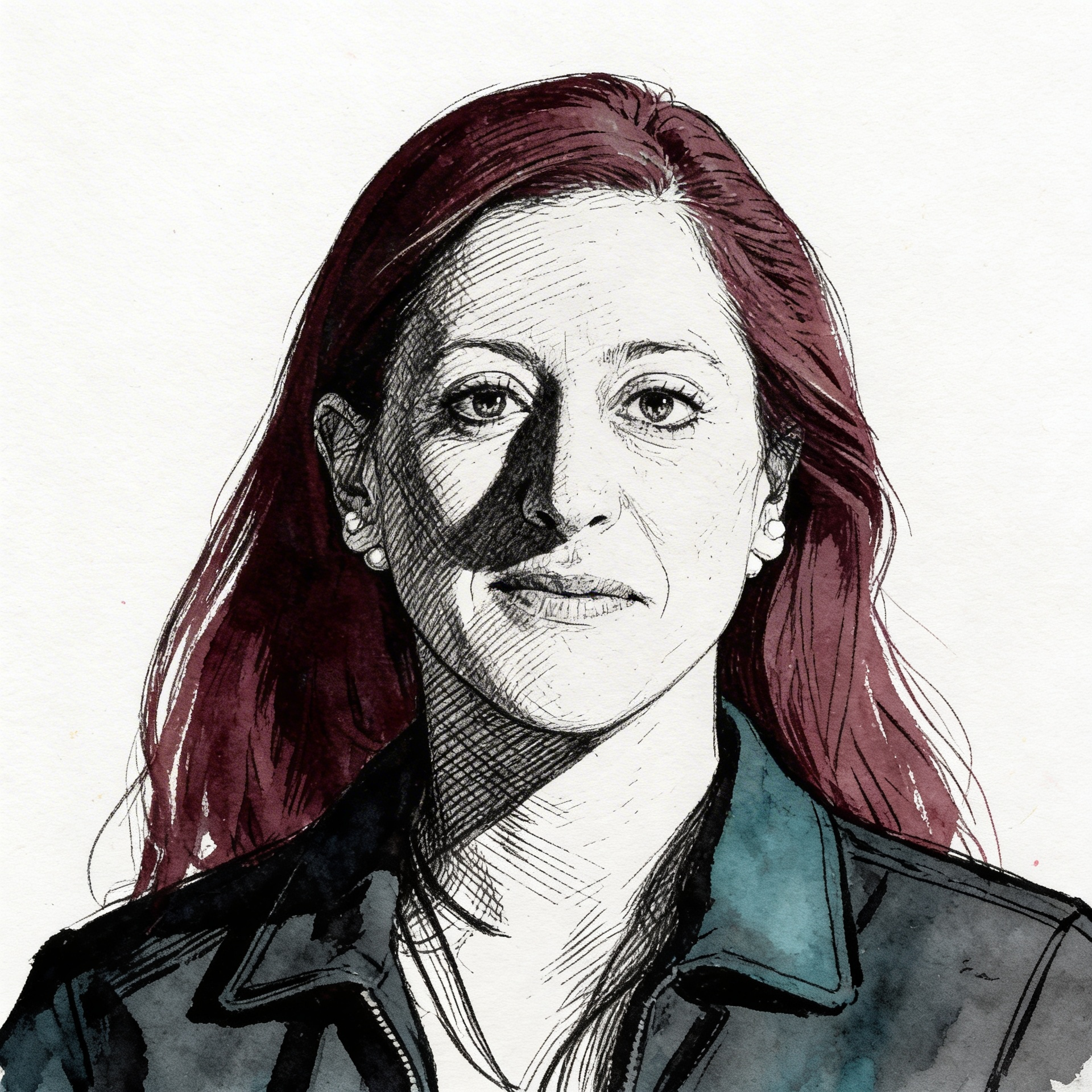
Sanam Vakil
Chatham House MENA director; analyst of Iranian politics, JCPOA, and the 2026 conflict.
On 12 April, Sanam Vakil was identified as Chatham House’s Middle East and North Africa director during the Iran conflict. Her work centres on Iranian politics, Gulf security and the JCPOA nuclear agreement.
Last refreshed: 22 September 2026 · Appears in 1 active topic
She called the IRGC coup before anyone else: who is Chatham House's Sanam Vakil?
Timeline for Sanam Vakil
Mentioned in: Iran sets six terms to reopen Hormuz
Iran Conflict 2026Mentioned in: Iran counters Oman with a lane demand
Iran Conflict 2026Mentioned in: Tehran prices its exit in Lebanon
Iran Conflict 2026Mentioned in: Iran's heir skips the funeral for him
Iran Conflict 2026Mentioned in: Iran claims 100 nations, confirms two
Iran Conflict 2026Background
Sanam Vakil is a political analyst and Director of the Middle East and North Africa programme at Chatham House. Her work focuses on Iranian domestic politics, Gulf security and the Joint Comprehensive Plan of Action, the 2015 nuclear agreement commonly known as the JCPOA.
That specialism places Iranian decision-making, regional security and nuclear diplomacy in the same frame. These subjects remain relevant beyond a single diplomatic round or military episode because each shapes how Iran engages neighbouring states and external powers.
Vakil was named as Chatham House’s Middle East and North Africa director in coverage published on 12 April. Her public role is to interpret developments in Iran and the wider region for policy and public audiences.
Who is Sanam Vakil?
What did Sanam Vakil say about Iran's Supreme Leader?
What is Chatham House's position on Iran?
Why is Sanam Vakil the most quoted analyst on Iran?
Why does Sanam Vakil say the IRGC, not Iran's president, controls the war?
