Can Russia find buyers for Portovaya LNG cargoes now that Asian terminals are refusing them?
Timeline for Portovaya
Loaded cargo that was rejected at Dahej under sanctions
European Energy Markets: Kunpeng rejected at Dahej, LNG sanctions holdBackground
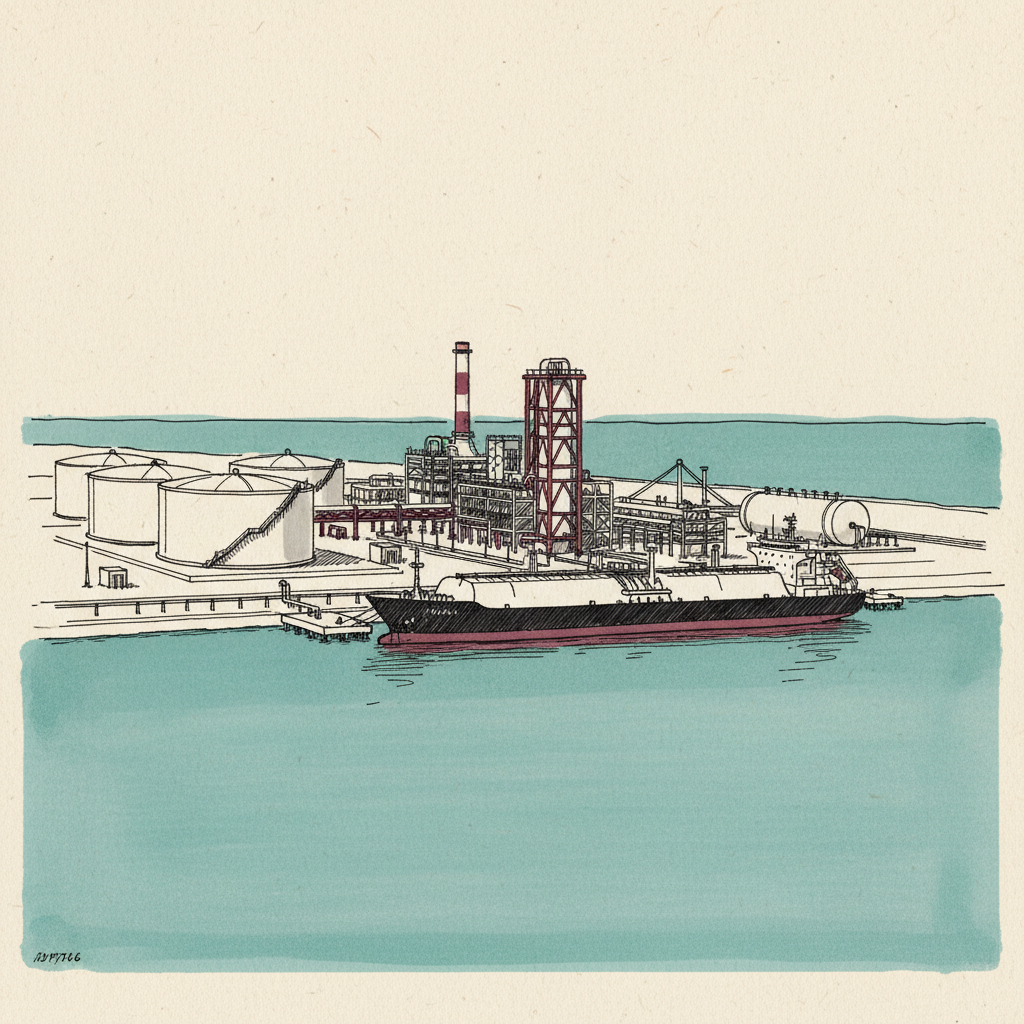
Portovaya is a Russian LNG liquefaction facility located on The Gulf of Finland near Vyborg in the Leningrad Oblast, operating as part of Gazprom's Baltic LNG infrastructure. It is distinct from Yamal LNG and Arctic LNG 2 in that Portovaya processes pipeline gas for liquefaction rather than operating a dedicated gas field. The facility has a relatively small nameplate capacity — reportedly around 1.5 mtpa — and feeds LNG cargoes into the Baltic SEA export chain. In May 2026 the Kunpeng LNG carrier departed Portovaya with a cargo that was subsequently rejected at India's Dahej terminal following US Treasury sanctions checks.
Portovaya has been subject to EU energy-import restrictions under the 25 April 2026 Russian LNG ban, which targets short-term Russian LNG contracts, including SPOT cargoes. The facility's Baltic SEA location makes it logistically accessible to European ports — a feature that gave it commercial value before the ban but now also makes its output traceable via AIS satellite tracking from loading to discharge. Unlike Arctic LNG 2, which has broader western-sanctions complications, Portovaya's output travels through an unambiguous European maritime chain.
The Kunpeng case confirms that Portovaya cargoes are now subject to sanctions enforcement at Asian receiving terminals as well as EU-market restrictions. The AIS trail from Portovaya to The Gulf of Finland to Dahej provided the traceable evidence that overrode the allegedly falsified shipping documentation. As one of Russia's smaller but accessible LNG export nodes, Portovaya's commercial future depends on identifying compliant buyers outside the EU and sanctioning-cautious Asian markets.
What is the Portovaya LNG facility in Russia?
Is Portovaya LNG under EU sanctions?
How does Portovaya differ from Russia's other LNG projects like Yamal LNG?
Why are Russian LNG cargoes from Baltic facilities increasingly difficult to sell?

