Murlikishan
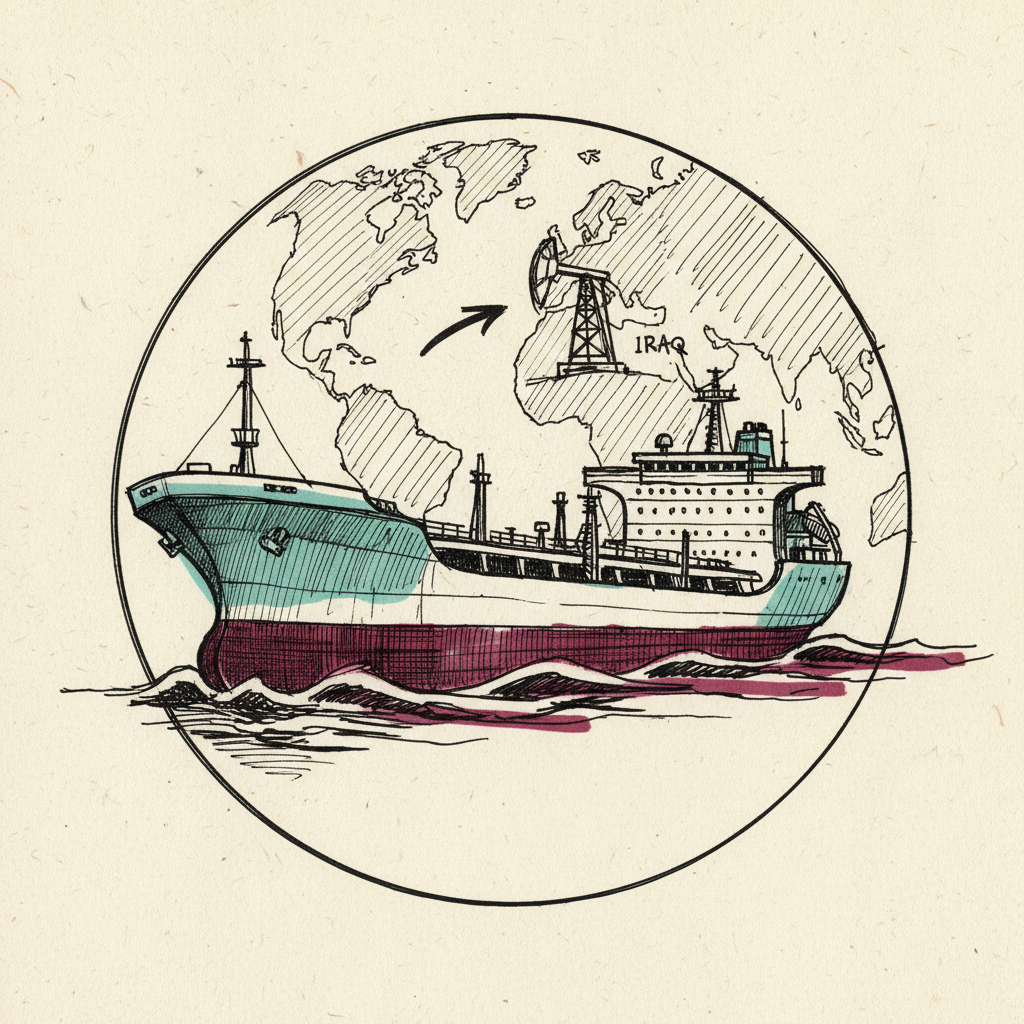
US-sanctioned Chinese tanker; sister ship of Rich Starry, transited Hormuz on blockade day two to load fuel oil in Iraq.
Last refreshed: 14 April 2026 · Appears in 1 active topic
Two sanctioned tankers through Hormuz in 24 hours. Is the blockade stopping the right ships?
Timeline for Murlikishan
US-sanctioned Chinese tanker transiting Hormuz under CENTCOM carve-out
Iran Conflict 2026: Mentioned in: Beijing backs Hormuz passage, names no Chinese hullEntered the Strait of Hormuz on 14 April bound for Iraqi fuel-oil terminal
Iran Conflict 2026: Sanctioned tankers slip Hormuz on day oneBackground
The Murlikishan is a US OFAC-sanctioned tanker, the second vessel from Shanghai Xuanrun Shipping to be confirmed transiting the strait of Hormuz during the opening days of the CENTCOM blockade. It entered the strait on 14 April 2026, a day after its sister vessel the Rich Starry became the first ship through the blockade, and was expected to load fuel oil at an Iraqi terminal on 16 April. Its passage was confirmed by Kpler, LSEG and MarineTraffic.
Like the Rich Starry, the Murlikishan falls under US Treasury sanctions but is owned and crewed by Chinese nationals, and its routing through non-Iranian port destinations falls outside CENTCOM's narrowed operational order. CENTCOM narrowed Trump's original full-strait interdiction to vessels entering or leaving Iranian ports only; vessels bound for Iraqi, UAE or other Gulf terminals are not covered by that definition regardless of their sanctions status. OFAC sanctions designation does not automatically translate into a CENTCOM boarding authority.
The back-to-back transits of the Murlikishan and Rich Starry in the first 24 hours of the blockade demonstrated that the enforcement gap was structural rather than accidental. Together, the two vessels showed how dark-fleet economics improve every day non-sanctioned operators stay off the strait, and Windward separately tracked 14 vessels using scrapped-ship registry identities to evade detection, a fraud technique whose returns increase as non-sanctioned traffic shrinks.
What is the Murlikishan tanker?
How did the Murlikishan get through the US blockade of Hormuz?
What flag does the Murlikishan tanker sail under?
What cargo does the Murlikishan carry?


