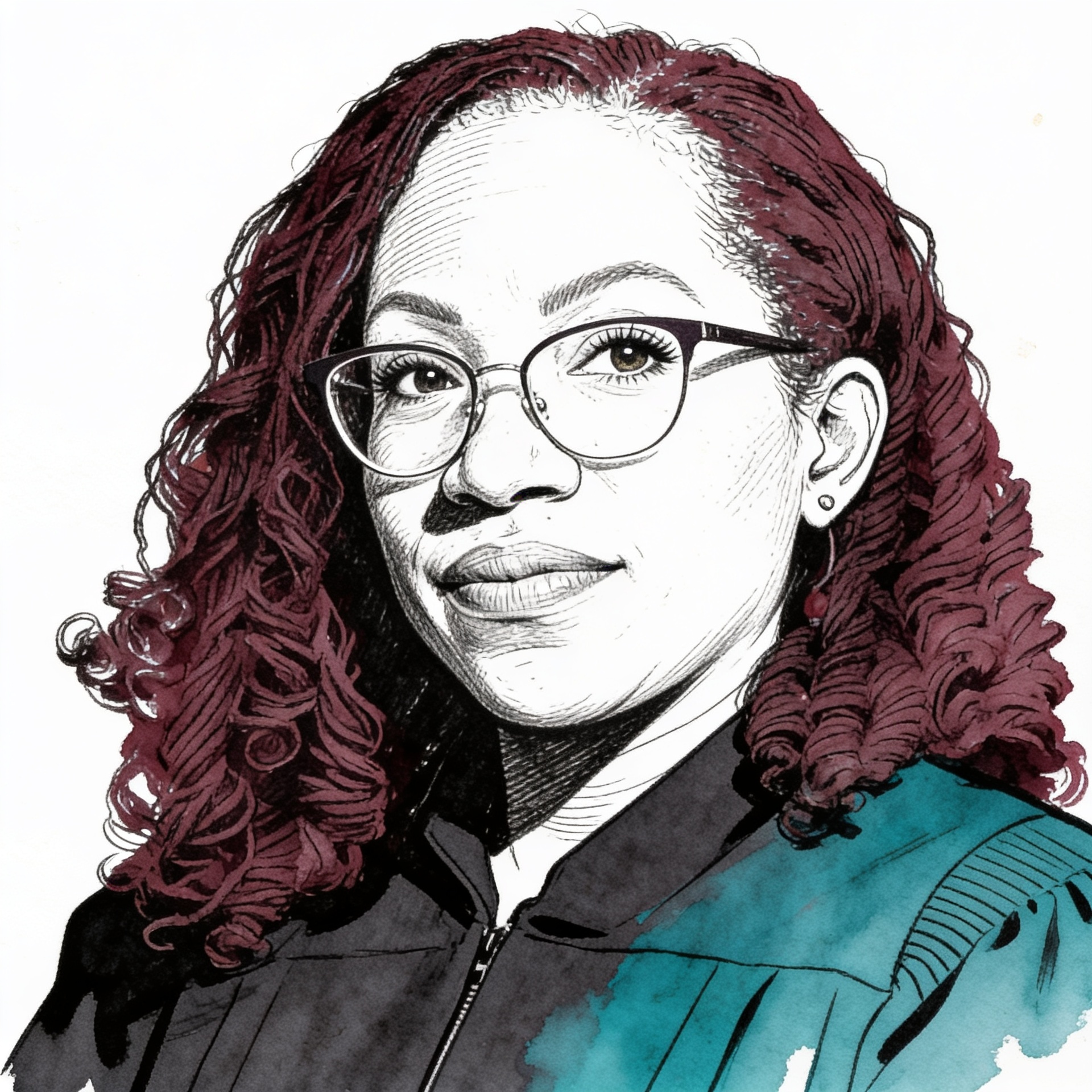
Ketanji Brown Jackson
Associate Justice of the US Supreme Court since 2022; first Black woman on the Court.
Ketanji Brown Jackson wrote the dissent when the Supreme Court, by 6-3 on 25 September 2026, let Homeland Security restart bulk citizenship checks of voter rolls, with Sonia Sotomayor and Elena Kagan joining her.
Last refreshed: 1 October 2026 · Appears in 1 active topic
Timeline for Ketanji Brown Jackson
Supreme Court revives DHS's SAVE checks
US Midterms 2026Denied a parallel federal emergency stay in Walsh v. Massachusetts State Ballot Law Commission
US Midterms 2026: Court reinstates Walsh to primary ballotdissented from 6-3 stay order
US Midterms 2026: Shadow docket shields Alabama map for 2026Background
Jackson has served on the Supreme Court since 30 June 2022, nominated by President Joe Biden, and is the first Black woman to sit on it. Born in Washington DC in 1970, she clerked for Justice Stephen Breyer, whose seat she later filled. She worked as a federal public defender, served as vice-chair of the US Sentencing Commission, and was a judge on the federal district court in Washington and briefly on the D.C. Circuit.
In the 2026 election cycle she has been the liberal bloc's most visible voice on emergency applications. She dissented from the unsigned 2 June stay that let Alabama run its re-do primary on a contested congressional map.
As the justice WHO handles emergency applications from the First Circuit, she also acts alone. On 10 July she denied a federal stay in a Massachusetts ballot-access fight, the same day a state court restored Republican Michael Walsh to the attorney-general primary ballot.
Jackson led the dissent on SAVE
Jackson spoke for the Court's three liberal justices when the majority granted Homeland Security an emergency stay on 25 September. The order revived the department's expanded SAVE database and let election offices again run their voter lists against Social Security records in bulk, overriding a trial court and the D.C. Circuit, which had both kept the system offline.
The stay has limits. It still leaves a federal ban on systematic roll removals in the 90 days before an election in place, so checks before 3 November must go one voter at a time, and the Court will hear the reach of that ban on 8 December. That argument gives Jackson a second chance to press the concerns she set out in dissent.
What did Justice Jackson decide in the Michael Walsh ballot case?
Who is Ketanji Brown Jackson?
When did Justice Jackson rule on the Walsh stay application?
How did Justice Jackson vote in the SAVE database case?
Which justices dissented in DHS v. League of Women Voters?





