KEPCO
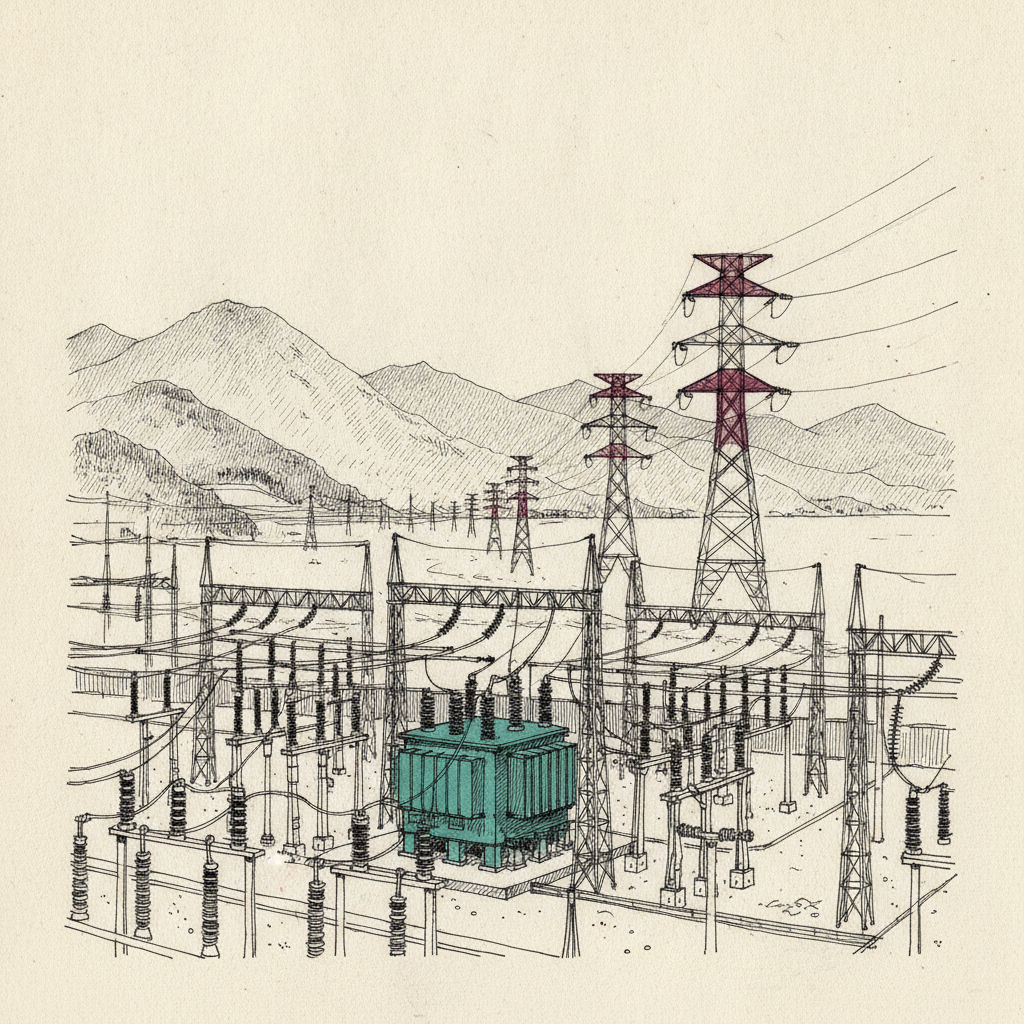
Korea Electric Power Corporation, South Korea's state-controlled national electricity transmission and distribution utility.
KEPCO presented an eleven-zone electricity pricing plan with South Korea's climate and energy ministry on 26 August 2026, offering cheaper industrial power outside southern Seoul and southern Gyeonggi to AI data centres and chip clusters that build away from the capital.
Last refreshed: 18 October 2026 · Appears in 1 active topic
Timeline for KEPCO
Mentioned in: KT Cloud plans 50 MW AI site in Incheon
Data Centres: Boom and BacklashCo-presented the pricing scheme
Data Centres: Boom and Backlash: Korea splits power prices into 11 zonesBackground
KEPCO, the Korea Electric Power Corporation, is South Korea's state-controlled national power utility. The government and the state-owned Korea Development Bank together hold about 51% of its shares, so pricing decisions it presents carry the state's weight.
The utility is the instrument for the government's plan to move big power users out of the capital region. Its August 2026 proposal with the climate and energy ministry refines four broad pricing zones into eleven, leaving Jeju out. Factories and other industrial users beyond the southern Seoul and southern Gyeonggi belt would pay less, an estimated 2.8 trillion won a year in savings, and new semiconductor clusters and AI data centres were named as the intended beneficiaries.
Those prices will be tested on KEPCO's own bills. A data centre that stays near Seoul pays the higher capital-region rate: KT Cloud and Hyundai Engineering said on 7 October 2026 that they will build a 50 MW AI site at Cheongna in Incheon, inside the capital region, with work starting in late 2026 and completion due in early 2030.
What is KEPCO?
Why is South Korea splitting electricity prices into zones?




Written with AI from Lowdown's published reporting. Not individually reviewed by an editor. Updated 18 October 2026. Editorial standards.