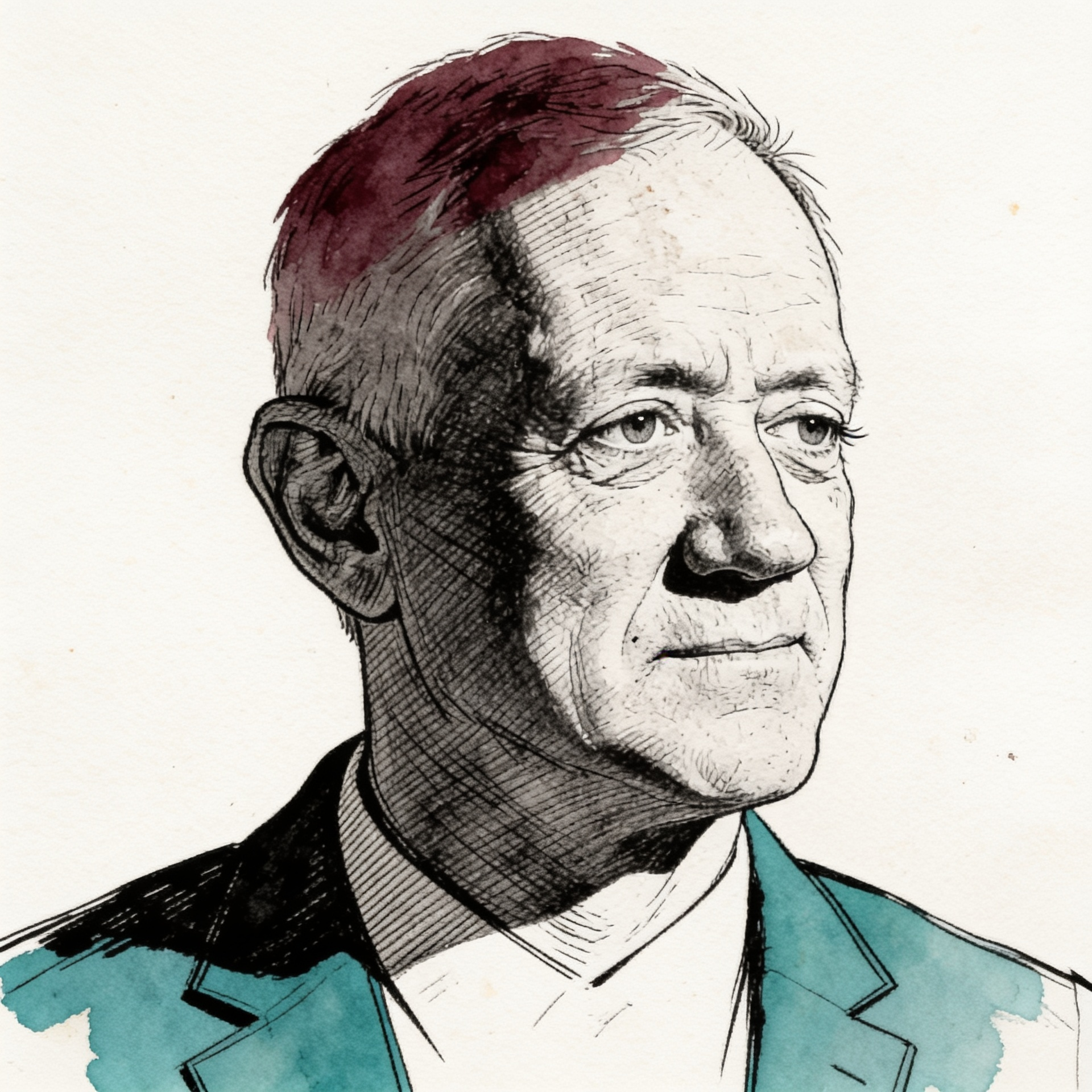
Benny Gantz
Israeli opposition leader and former Defence Minister; led the National Unity party and served briefly in the emergency war cabinet before resigning.
Last refreshed: 16 June 2026 · Appears in 1 active topic
If both coalition hardliners and credible opposition figures reject the deal, can Israel hold a ceasefire?
Timeline for Benny Gantz
Called the MOU a strategic failure
Iran Conflict 2026: Israel rejects a deal it never signedBackground
Benny Gantz is a former Chief of Staff of the Israel Defense Forces (2011-2015) and has served multiple terms as Defence Minister. He leads the National Unity (Machane Mamlacha) party, which positions itself in the centre-right of Israeli politics as an alternative to Netanyahu's Coalition. Gantz joined Netanyahu's emergency war cabinet following the Hamas attacks of 7 October 2023 but resigned in June 2024, citing disagreements over the Conduct of the war and the absence of a post-war political strategy for Gaza.
Gantz has consistently advocated for a more strategically coherent approach to both Gaza and the broader regional conflict, arguing that military gains must be matched by a political framework. He responded to the signing of the Islamabad Memorandum of Understanding on 15 June 2026 by calling it a 'strategic failure', reflecting his view that Israel had been marginalised from a deal that directly affects its security, particularly concerning Hezbollah's position in Lebanon .
As opposition leader, Gantz's criticism carries the weight of military credibility: he is a former IDF chief whose views on strategic risk are taken seriously by security professionals and by the public. His rejection of the memorandum is distinct from Smotrich's maximalist position; where Smotrich demands more military action, Gantz argues Israel should have been included at the negotiating table. This distinction matters for understanding the range of Israeli objections to the deal.
Who is Benny Gantz and what is his military background?
What did Benny Gantz say about the Iran ceasefire?
Why did Benny Gantz leave the emergency war cabinet?
How is Gantz's criticism of the Iran deal different from Smotrich's?

