Skip to content
Welcome, thoughtbot's Giant Robots listeners!Start here
US Midterms 2026
11NOV

DCCC flips committee lead; super PACs diverge

4 min read
18:10UTC

The DCCC ended April with $32.9 million in cash and a $12.6 million lead over the NRCC, a $21 million monthly swing; Republican super PACs hold a $118 million advantage at the outside-spending layer.

PoliticsDeveloping
Key takeaway

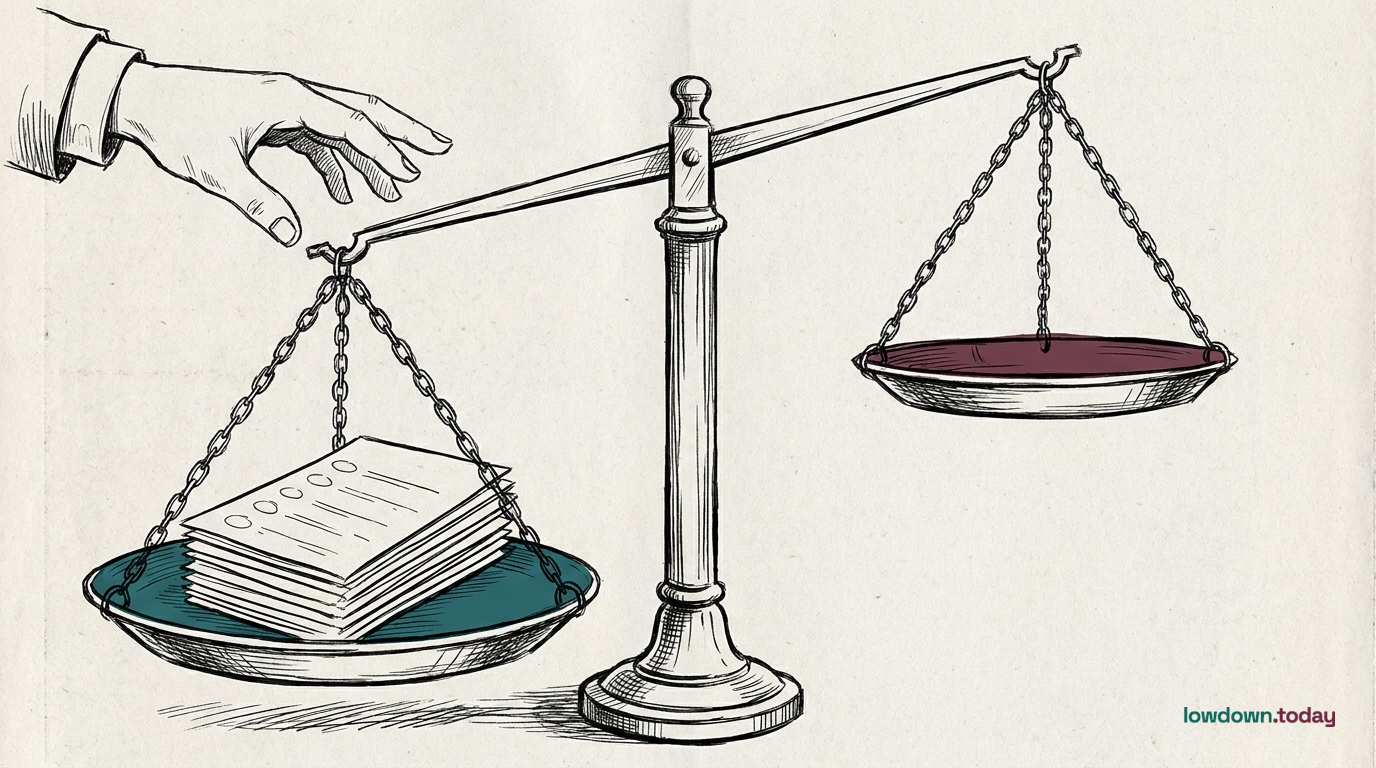
Democrats outraise Republicans on the ground game by $12.6 million and are outraised on the air war by $118 million.

The Democratic Congressional Campaign Committee ended April with $32.9 million in cash despite $4 million in debt; the National Republican Congressional Committee ended with $20.3 million and no debt⁠1. The DCCC raised $8.1 million in April and spent $9 million. The NRCC raised $7 million and spent $10.5 million. The net effect is a $21 million relative swing in a single month: from NRCC plus $8.3 million at the end of Q1 to DCCC plus $12.6 million after April. That is the second consecutive month of Democratic committee parity-or-better since the February reading.

Federal law bars super PACs from coordinating with campaigns on the ground game, which means committees buy field offices, registration drives, paid canvassers and voter-data infrastructure that super PACs cannot replicate. The April flip translates to more Democratic ground staff in the roughly 30 competitive House districts before Labour Day. The NRCC's burn pattern, spending $10.5 million against $7 million raised, indicates defensive advertising reservation rather than infrastructure build.

The super PAC layer runs in the opposite direction. The Senate Leadership Fund unveiled a $342 million deployment plan in early April targeting eight Senate races, its largest ever. SLF plus the Congressional Leadership Fund hold $257 million combined. House Majority PAC plus Senate Majority PAC hold $139 million. That is a $118 million Republican advantage at the outside-spending layer, against the $12.6 million Democratic advantage at the committee layer.

Wesleyan Media Project director Erika Franklin Fowler called the divergence the cycle's defining structural feature: Republicans hold the air war, Democrats hold the ground. Senate Majority PAC president J.B. Poersch's counter-view, in a Punchbowl interview, is that the SLF plan was sized before Cook's post-Callais rating moves and overcommits relative to the current environment. The two layers scale through May in parallel, not in substitution; one buys television advertising, the other buys the canvassers who knock on doors.

Deep Analysis

In plain English

American election campaign finance has two main layers that operate very differently. The first layer is the official party committees. The DCCC raises money for Democratic House candidates; the NRCC does the same for Republicans. These committees can coordinate directly with campaigns. They spend their money on canvassers who knock on doors, local field offices, and voter databases. At this layer, Democrats ended April with $12.6 million more than Republicans. Super PACs raise and spend unlimited amounts but by law cannot coordinate with official campaigns. They spend mainly on television advertising. Republicans hold $257 million across their main super PACs against Democrats' $139 million, a $118 million Republican advantage at this layer. Democrats lead Republicans by $12.6 million at the committee layer and trail Republicans by $118 million at the super-PAC layer. Democrats have the advantage in the operations that run ground campaigns. Republicans have the advantage in the advertising that runs on television. Both matter, but for different parts of winning an election.

What could happen next?
  • Consequence

    The DCCC's April flip to $12.6 million cash lead means Democrats can staff field offices in the approximately 30 competitive House districts before Labour Day, a ground infrastructure Republicans cannot match with super-PAC money by law.

    Short term · 0.78
  • Risk

    The NRCC's burn pattern, spending $10.5 million against $7 million raised in April, indicates defensive advertising reservation rather than infrastructure build. Sustained over three more months, it depletes NRCC reserves before the fall advertising war.

    Medium term · 0.65
  • Consequence

    The SLF's $342 million deployment plan, if not reallocated after Cook's post-Callais rating moves, concentrates Republican outside spending in states where the map already favours Republicans, reducing its marginal value in the 30 genuinely competitive districts.

    Medium term · 0.58
First Reported In

Update #6 · A primary nullified mid-vote

Punchbowl News· 19 May 2026
Read original →
Different Perspectives
University of Florida Election Lab
The lab, run by Michael McDonald, estimates about 124.3 million ballots, a raw midterm record, and turnout of about 49.4% of eligible voters, second to 2018's 50.05%. The raw record reflects population growth more than a record rate, so the late count is working through a near-2018 electorate.
Thune's critics on the right, including Senator Ron Johnson
Ron Johnson backed the failed 31-15 motion to delay Thune's re-election, after activists such as Mike Cernovich blamed the leader for the defeat. Their complaint is that Republicans could have passed the SAVE Act; in January it meets a Democratic Senate instead.
Senator John Thune
Senator John Thune
Thune was re-elected Senate Republican leader by acclamation on 10 November after a motion to delay failed 31-15. He kept the filibuster that stopped the SAVE Act, the choice his critics on the right blame for the defeat.
House Republicans under Jim Jordan
House Republicans elected Jordan minority leader by 106 votes to 73 over Steve Scalise on 10 November, after Speaker Mike Johnson declined to run. They replaced the leadership that lost the majority, while Senate Republicans kept theirs.
Donald Trump
Donald Trump
Trump asked on Truth Social on 9 November whether anybody believed the election "was honest" and blamed the machines, having told The New York Times on polling night he would accept the results. No Republican campaign had sued over a 2026 result by 10 November, so the claim has no case behind it.
Judge David O. Carter
Carter closed the Justice Department's suit over about 20,000 California mail ballots on 10 November after the department withdrew it, writing that the suit "attempted to disrupt an ongoing election". The closure leaves the department with no court order touching a 2026 California ballot.

Written with AI from Lowdown's published reporting. Not individually reviewed by an editor. Editorial standards.
