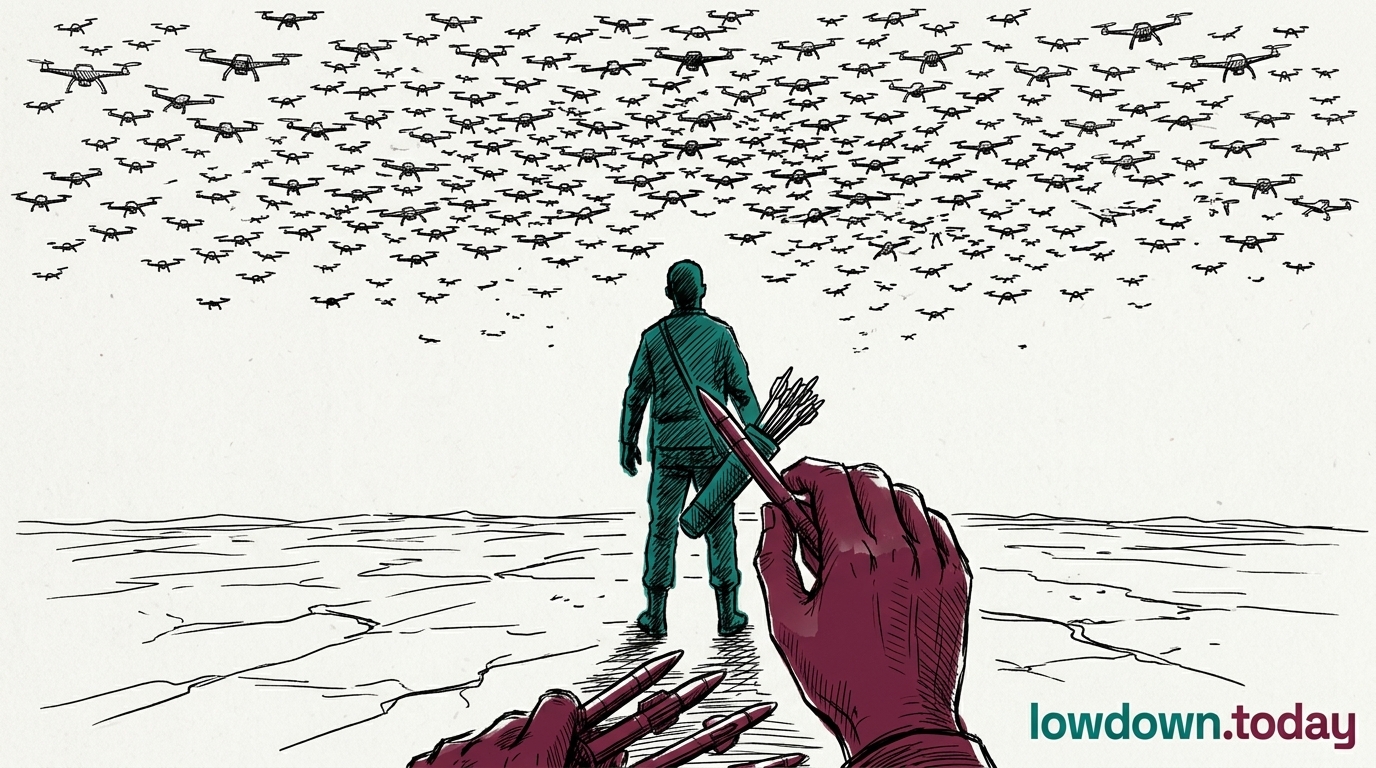
The UN General Assembly adopted Resolution 107-12-51 on 24 February — the fourth anniversary of Russia's full-scale invasion — demanding an immediate ceasefire in Ukraine 1. Twelve states voted against. Fifty-one abstained. The United States was among the abstentions.
Washington had voted in favour of previous UNGA resolutions condemning the invasion and demanding Russian withdrawal. The shift aligns with the Trump administration's posture — Trump told Zelenskyy on 25 February he wanted the war ended "in a month" but has framed the path to peace as requiring Ukrainian territorial concessions. The US representative's formulation — "Ending the war is the right thing to do, but no one is suggesting it will be easy" — endorsed the principle while declining to back the mechanism 2.
The 51 abstentions form a bloc larger than the 12 opposing votes and reflect a Global South calculation: unwilling to oppose Russia outright, unwilling to endorse a ceasefire demand with no enforcement mechanism. UNGA resolutions are non-binding. Four years of Ukraine-related resolutions have produced voting margins that look decisive on paper and have changed nothing on the ground.
The vote arrived in a diplomatic vacuum. The trilateral is suspended — US envoys Witkoff and Kushner cancelled their travel on 4 March , and no replacement date has materialised. German Chancellor Merz warned that Europe will not accept any agreement concluded without European participation . The EU's phased gas import ban begins with LNG on 25 April . After that date, Russia's residual energy leverage over Europe contracts further — a ticking clock that may explain Moscow's lack of urgency to return to the table before then.





