Skip to content
You can now search across every topic, entity and event.What's new
Russia-Ukraine War 2026
2JUL

Moscow pulls Lukashenko the other way

2 min read
10:54UTC

A Meduza investigation says Russia is using financial leverage over Belarus, run through ambassador Boris Gryzlov, to pull Lukashenko deeper into the war.

ConflictDeveloping
Key takeaway

Belarus is squeezed from both sides, but Moscow's recognition still caps how far Lukashenko can drift toward Kyiv.

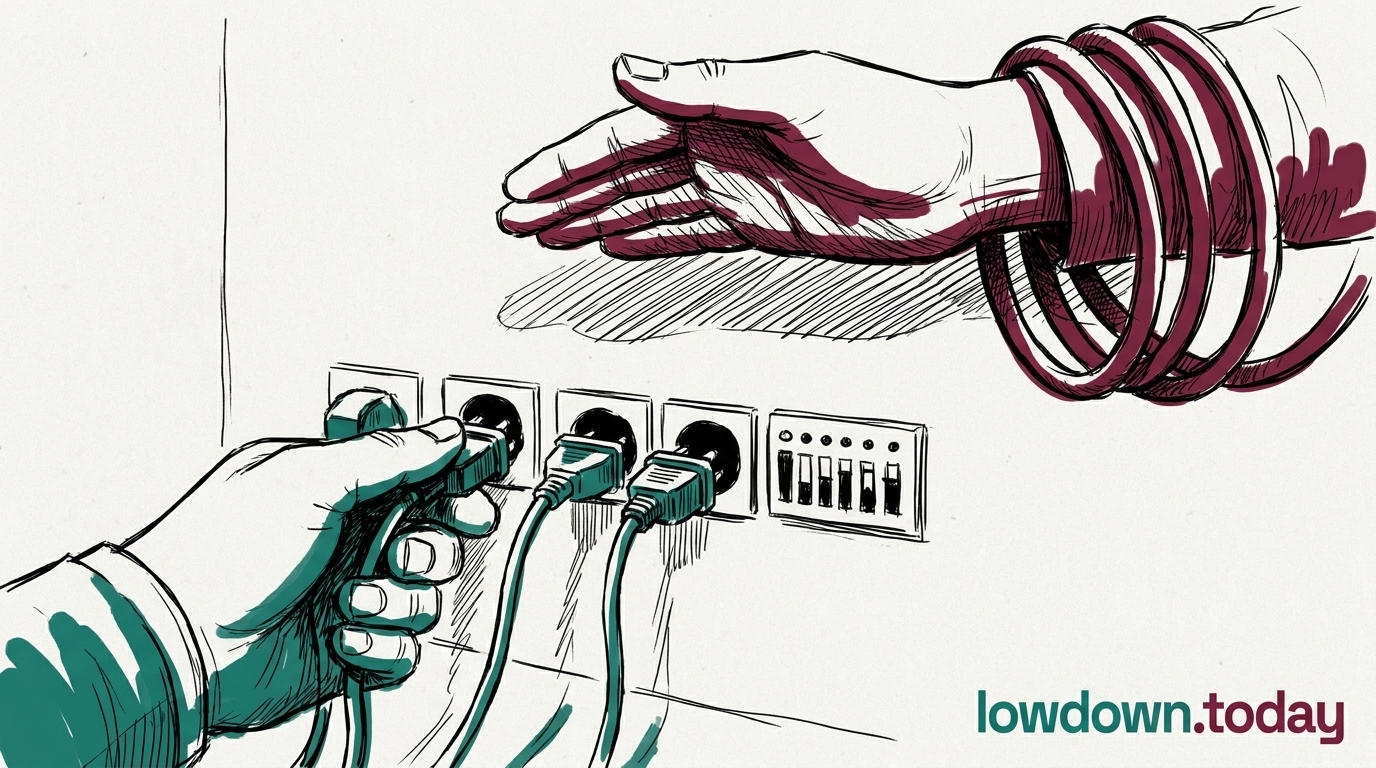
A Meduza investigation published on 24 June, in Russian and not carried by Western wires, reported that Russia is using financial leverage over the Belarusian economy to press Alexander Lukashenko toward a deeper role in the war 1. The pressure runs through Moscow's ambassador in Minsk, Boris Gryzlov, and the reported demands include expanded strikes on Ukraine, tying down Ukrainian forces, and even operations against neighbouring members of the North Atlantic Treaty Organisation (NATO), the Western military alliance 2.

The counter-pressure lands days after Kyiv pulled Lukashenko the other way, setting a deadline for the drone relays on Belarusian soil to go dark . Russia and Belarus are bound by the Union State, a 1999 treaty integrating their economies and militaries that gives Moscow standing to ask. Vladimir Putin met Lukashenko on 26 June, which several news agencies read as crisis diplomacy; the Kremlin's own published calendar places the meeting on the sidelines of a pre-scheduled forum of Russian and Belarusian regions, not an emergency summons 3. Moscow called Zelenskyy's ultimatum "absolutely aggressive" and said nothing more 4.

Lukashenko's survival since the 2020 crackdown on contested post-election protests has rested on Russian recognition, which limits how far he can tilt toward Kyiv. The relays still went dark. Volodymyr Fesenko, a Ukrainian political analyst, told Al Jazeera the shutdown was "a concession to Zelenskyy's ultimatum but not a public one", and that Ukraine "now acts from the position of power" 5.


Deep Analysis

In plain English

Russia's president Vladimir Putin met Belarus's ruler Alexander Lukashenko on 26 June, while a Russian investigative outlet reported that Moscow is using financial pressure, alongside alliance ties, to push Belarus into a bigger role in the war against Ukraine. The pressure runs through Russia's ambassador in Minsk, Boris Gryzlov, and includes subsidised energy and loans Belarus cannot easily replace. The Kremlin also dismissed Ukraine's demand to dismantle the drone-relay stations as 'aggressive', showing Moscow, not Kyiv, still holds the stronger hand over Belarus.

Deep Analysis
Root Causes

Belarus's state budget relies on Russian energy sold below market price and on Kremlin-backed loans Minsk cannot refinance elsewhere under Western sanctions, a dependency built up steadily since the 2020 election crisis.

That dependency, channelled through figures like ambassador Boris Gryzlov, gives Moscow a lever that operates independently of whatever Kyiv threatens on Belarusian soil, which is why the Kremlin can call Zelenskyy's ultimatum 'aggressive' without fearing Lukashenko will actually break ranks.

What could happen next?
  • Consequence

    Belarus's compliance with Kyiv's relay ultimatum will likely stay partial and reversible so long as Moscow's financial leverage outweighs Ukraine's threat of strikes.

  • Risk

    Expanded Belarusian involvement in strikes on Ukraine or NATO states would draw Minsk further into direct confrontation it has avoided since 2022.

First Reported In

Update #22 · Belarus relays go dark on Kyiv's deadline

Meduza· 2 Jul 2026
Read original
Causes and effects
This Event
Moscow pulls Lukashenko the other way
Belarus is being pulled two ways at once, and its dependence on Moscow since 2020 caps how far Lukashenko can lean toward Kyiv.
Different Perspectives
Turkey
Turkey
Turkey, a major buyer of Russian diesel cargoes, loses that access under Moscow's first producer-binding export ban, in force from 8 July to 31 July. Ankara hosted the same week's NATO summit pledging EUR 70bn to Ukraine, sitting on both sides of the fuel-and-alliance ledger.
NATO
NATO
NATO leaders meeting in Ankara on 7 and 8 July pledged EUR 70bn in equipment, assistance and training for Ukraine across 2026, with a 2027 sustainment commitment and a $40bn Drone Edge counter-drone initiative. European allies now fund the vast majority of that package, filling the gap left by Washington's idled crude waiver.
India
India
India's state refiners continued buying discounted Urals crude as June's price fell to $63.18 a barrel, insulating New Delhi from the OFAC waiver gap still constraining Western buyers. Indian refiners could pick up diesel-export share as Russia's producer-binding ban shuts out its former customers.
China
China
China's independent refiners kept importing discounted Urals crude through June as the price fell to $63.18 a barrel, down 26% month-on-month per CREA. Beijing has said nothing on Moscow's new diesel ban, leaving Chinese refiners a likely beneficiary if Turkish and Brazilian buyers seek replacement cargoes.
United States
United States
No successor licence has been issued since General License 134C lapsed on 17 June, leaving a 26-day gap, the longest of the war, in the Russian crude waiver. Washington's silence is tightening the channel without any stated decision, as Treasury weighs whether to let it die.
Ukraine
Ukraine
Ukraine's long-range strike campaign shifted from refineries to seaborne fuel tankers crossing the Sea of Azov, cutting tracked vessel traffic 55% between 30 June and 11 July, per Starboard Maritime Intelligence. The shift targets Russia's export revenue directly rather than just domestic supply, adding pressure alongside the collapsing Urals price.



