Skip to content
Welcome, thoughtbot's Giant Robots listeners!Start here
Russia-Ukraine War 2026
2JUL

Moscow pulls Lukashenko the other way

2 min read
10:54UTC

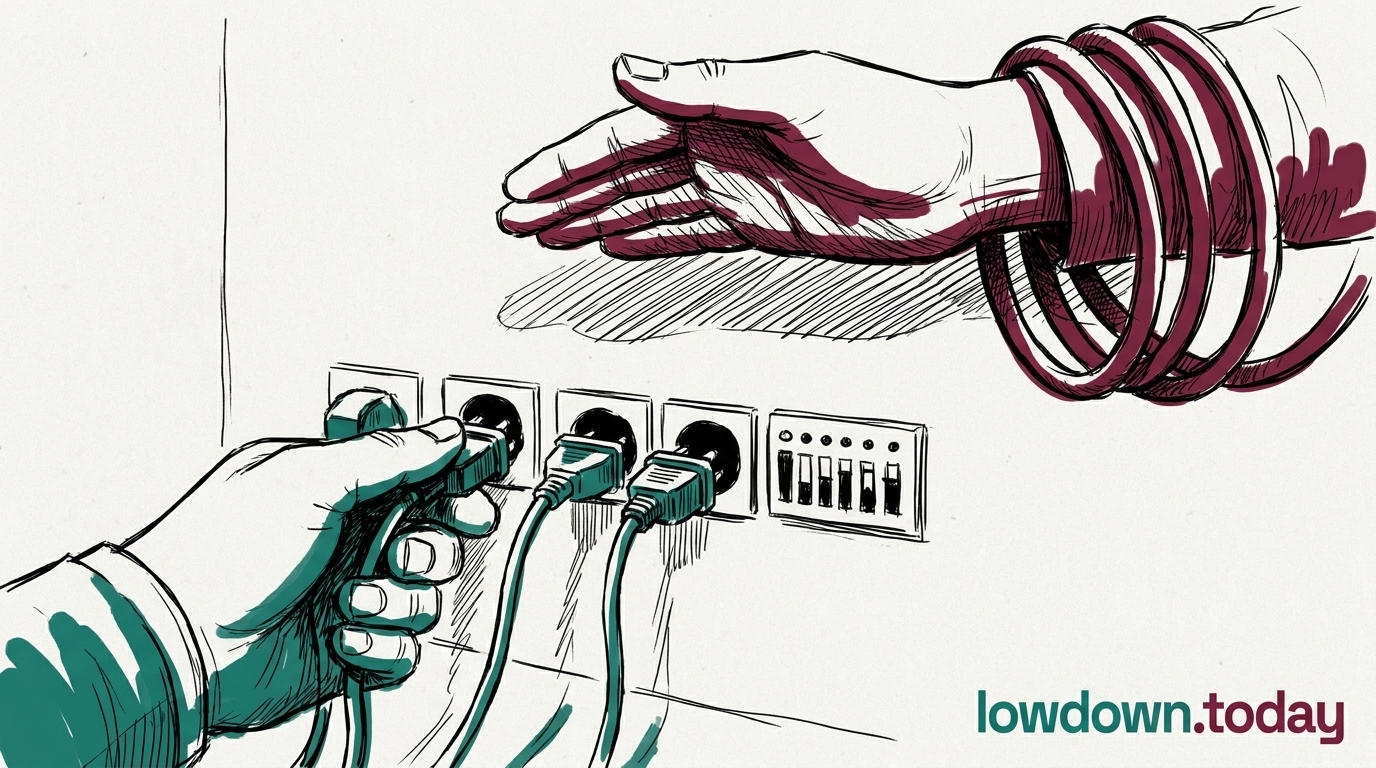
A Meduza investigation says Russia is using financial leverage over Belarus, run through ambassador Boris Gryzlov, to pull Lukashenko deeper into the war.

ConflictDeveloping
Key takeaway

Belarus is squeezed from both sides, but Moscow's recognition still caps how far Lukashenko can drift toward Kyiv.

A Meduza investigation published on 24 June, in Russian and not carried by Western wires, reported that Russia is using financial leverage over the Belarusian economy to press Alexander Lukashenko toward a deeper role in the war⁠1. The pressure runs through Moscow's ambassador in Minsk, Boris Gryzlov, and the reported demands include expanded strikes on Ukraine, tying down Ukrainian forces, and even operations against neighbouring members of the North Atlantic Treaty Organisation (NATO), the Western military alliance⁠2.

The counter-pressure lands days after Kyiv pulled Lukashenko the other way, setting a deadline for the drone relays on Belarusian soil to go dark. Russia and Belarus are bound by the Union State, a 1999 treaty integrating their economies and militaries that gives Moscow standing to ask. Vladimir Putin met Lukashenko on 26 June, which several news agencies read as crisis diplomacy; the Kremlin's own published calendar places the meeting on the sidelines of a pre-scheduled forum of Russian and Belarusian regions, not an emergency summons⁠3. Moscow called Zelenskyy's ultimatum "absolutely aggressive" and said nothing more⁠4.

Lukashenko's survival since the 2020 crackdown on contested post-election protests has rested on Russian recognition, which limits how far he can tilt toward Kyiv. The relays still went dark. Volodymyr Fesenko, a Ukrainian political analyst, told Al Jazeera the shutdown was "a concession to Zelenskyy's ultimatum but not a public one", and that Ukraine "now acts from the position of power"⁠5.

Deep Analysis

In plain English

Russia's president Vladimir Putin met Belarus's ruler Alexander Lukashenko on 26 June, while a Russian investigative outlet reported that Moscow is using financial pressure, alongside alliance ties, to push Belarus into a bigger role in the war against Ukraine. The pressure runs through Russia's ambassador in Minsk, Boris Gryzlov, and includes subsidised energy and loans Belarus cannot easily replace. The Kremlin also dismissed Ukraine's demand to dismantle the drone-relay stations as 'aggressive', showing Moscow, not Kyiv, still holds the stronger hand over Belarus.

Deep Analysis
Root Causes

Belarus's state budget relies on Russian energy sold below market price and on Kremlin-backed loans Minsk cannot refinance elsewhere under Western sanctions, a dependency built up steadily since the 2020 election crisis.

That dependency, channelled through figures like ambassador Boris Gryzlov, gives Moscow a lever that operates independently of whatever Kyiv threatens on Belarusian soil, which is why the Kremlin can call Zelenskyy's ultimatum 'aggressive' without fearing Lukashenko will actually break ranks.

What could happen next?
  • Consequence

    Belarus's compliance with Kyiv's relay ultimatum will likely stay partial and reversible so long as Moscow's financial leverage outweighs Ukraine's threat of strikes.

  • Risk

    Expanded Belarusian involvement in strikes on Ukraine or NATO states would draw Minsk further into direct confrontation it has avoided since 2022.

First Reported In

Update #22 · Belarus relays go dark on Kyiv's deadline

Al Jazeera· 2 Jul 2026
Read original →
Causes and effects
This Event
Moscow pulls Lukashenko the other way
Belarus is being pulled two ways at once, and its dependence on Moscow since 2020 caps how far Lukashenko can lean toward Kyiv.
Different Perspectives
Government of Latvia
Latvia abstained on 22 September when the EU renewed its individual sanctions for 36 months at the price of delisting Alisher Usmanov and Mikhail Fridman, and promised national sanctions of its own. Riga's abstention marks how far a frontline member state will go to keep listed names listed.
India's Ministry of External Affairs
After the House passed the Graham bill on 16 September, India's foreign ministry said it would keep buying energy on market terms and protect its trade. Russia supplied 30.3% of India's crude imports in fiscal 2026, so the tariff decision due around 18 October falls directly on New Delhi.
Kaja Kallas, EU foreign policy chief
Kallas answered the US licence on 10 October by saying Europe would not ease pressure, and EU ministers adopted a 22nd package of nearly 1,600 listings two days later. Brussels is tightening as Washington loosens, though TASS reported the package adds no significant new trade restrictions.
Donald Trump and the US Treasury
The Treasury licensed Russian diesel imports until 7 April 2027 on the day of Trump's call with Putin, and Trump then told reporters Ukraine should find a new leader. Washington is trading sanctions relief for fuel supply while pressing Kyiv to halt the refinery strikes behind the shortage.
Kremlin and Deputy Prime Minister Alexander Novak
After the 9 October call the Kremlin said Russia was ready to supply oil and petroleum products to American and global markets, and Novak brought forward the end of diesel export curbs. Moscow is selling the shortage back as goodwill, with volumes that Decree No. 686 now hides from outside checks.
Volodymyr Zelenskyy, President of Ukraine
Zelenskyy called GL 135 an investment in prolonging the war and offered to stop striking Russian refineries if Russia stops destroying Ukraine's energy system. Answering Trump's call for a new leader, he set a total 60-day ceasefire as the condition for elections, which puts the next move on Moscow.
