Skip to content
Welcome, thoughtbot's Giant Robots listeners!Start here
Russia-Ukraine War 2026
5MAR

JKM-TTF spread narrows to $2.30

2 min read
04:57UTC

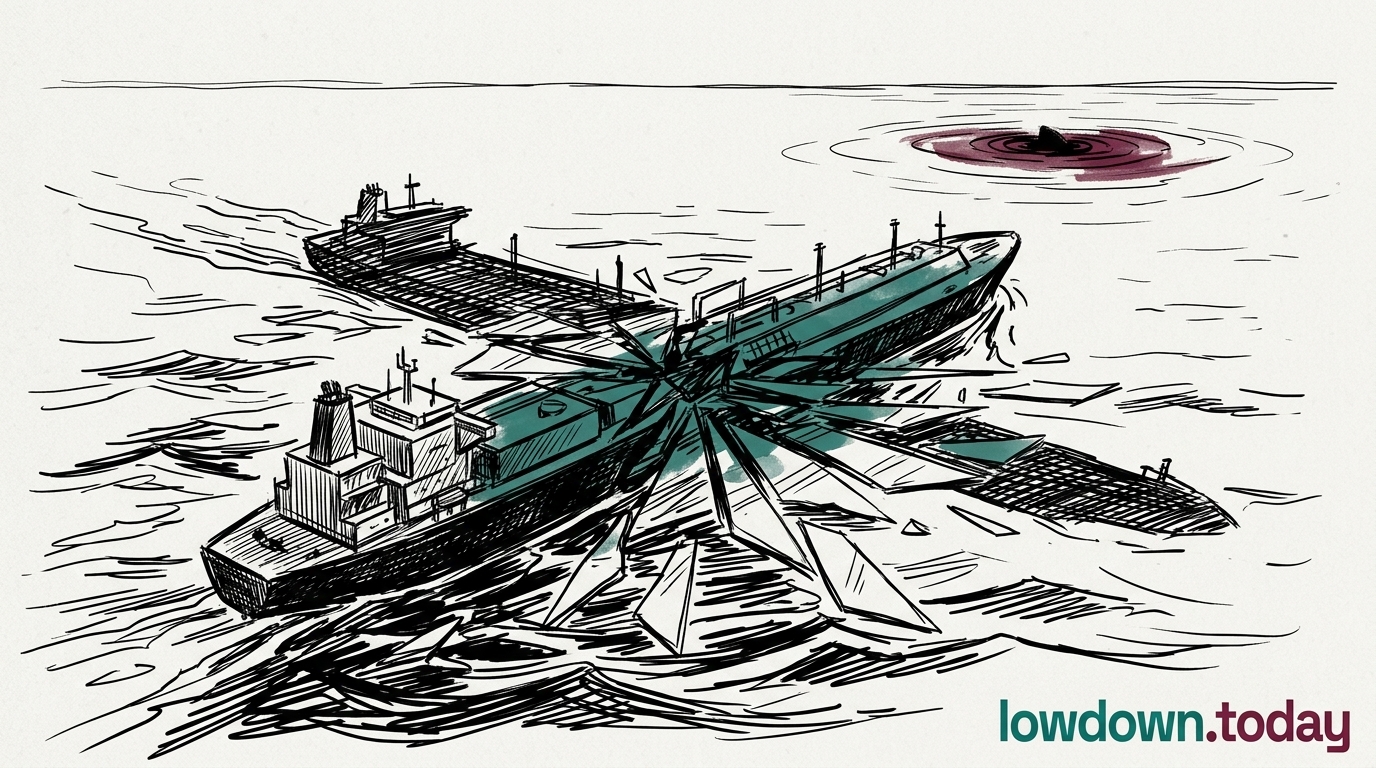
The JKM-TTF spread narrowed to roughly $2.30/MMBtu in the week to 7 May 2026, down from $2.90 to 3.30/MMBtu a fortnight earlier, reducing but not eliminating Asia's price advantage for flexible Atlantic LNG cargoes.

ConflictDeveloping
Key takeaway

Asia's LNG premium narrowed but did not flip; flexible Atlantic cargoes still clear east.

The JKM-TTF spread narrowed to roughly $2.30/MMBtu in the week to 7 May 2026, down from $2.90 to 3.30/MMBtu a fortnight earlier⁠1. JKM is the Platts Japan Korea Marker, the Asian LNG spot benchmark; TTF is the European wholesale gas reference. The spread is the headline arbitrage input for flexible Atlantic LNG cargoes deciding between east and west routing.

The spread remains positive. Asia still carries the premium, so flexible cargoes still route east on routing-cost arithmetic alone. The narrowing is constructive for Europe's competitive position on the marginal spot cargo, but it does not reverse the underlying picture. The TTF-set arithmetic at €47 and the storage deficit sit unchanged beneath the spread move.

European procurement desks read the move as incremental, not structural. A spread compression of roughly $0.60 per MMBtu at the upper end shifts the breakeven on a marginal voyage but not the directional bias. Atlantic cargo bidding will adjust at the margin, while flexible cargoes continue to clear at the Asian premium. The cleaner trigger for a routing reversal would be a JKM-TTF flip into negative territory or a spread compression below the voyage cost differential, neither of which has materialised in the week to 7 May.

Deep Analysis

In plain English

LNG (liquefied natural gas) is gas cooled to liquid form so it can be shipped by tanker. Unlike pipeline gas, LNG tankers can go anywhere in the world. Buyers in Japan and South Korea (tracked by a price called JKM) and buyers in Europe (tracked by TTF) compete for the same tankers. When Asia pays more, tankers head east; when Europe pays more, they head west. Right now Japan and South Korea are paying about $2.30 per unit of energy more than European buyers. So most LNG tankers from the US and elsewhere still route to Asia. The gap narrowed from about $3 a fortnight ago, which means Europe is getting slightly more competitive. Until the gap falls much further, European buyers will not attract most of the flexible supply they need for summer storage filling.

What could happen next?
  • Opportunity

    If Asian spring demand continues to ease, the JKM-TTF spread could compress below USD 1.50/MMBtu by June, at which point Atlantic-origin flexible cargoes face a meaningful routing reversal toward European terminals.

  • Risk

    If the spread compression stalls at USD 2.00+ through June, European injection pace cannot be rescued by cargo diversion and the 73% November storage trajectory becomes increasingly confirmed.

First Reported In

Update #9 · Storage 35% met, 80% trajectory still missed

Canada LNG Group· 12 May 2026
Read original →
Causes and effects
This Event
JKM-TTF spread narrows to $2.30
Asia still carries the premium and flexible cargoes still route east; the narrowing is constructive for Europe's competitive position but does not reverse the TTF-set arithmetic at €47.
Different Perspectives
South Korean foreign ministry
Seoul said on 20 October it will withdraw some Kyiv embassy staff, citing no constructive steps from Kyiv since it recalled its ambassador over the disclosure of two North Korean prisoners. A chargé d'affaires and consular staff stay, and Seoul says its aid continues.
Alexander Lukashenko
Lukashenko said on 22 October that talks with the US show progress despite problems, which he said were highlighted with the exchange of political prisoners for the lifting of sanctions. He said Minsk keeps its promises and wants the US to deliver its side in full.
Moldovan government (Daniella Misail-Nichitin)
Moldova has pulled its border guards and customs officers from four crossings on Ukrainian soil after Russian strikes near the border. Interior Minister Daniella Misail-Nichitin said Chisinau is weighing moving Ukrainian checkpoints onto Moldovan territory.
Péter Magyar
Péter Magyar
Magyar told RTL that Ukrainian maize may cross Hungary in sealed trains bound for Western Europe. He set one condition: the cargo must only transit the country.
Donald Tusk
Donald Tusk
Tusk said Warsaw would seek an explanation from Kyiv for the drone's route across Poland. He said Poland allows no operations over its territory without its explicit consent.
Mindaugas Sinkevičius
Lithuania's prime minister said the Ukrainian drone that exploded in Pasvalys district on 18 October carried explosives and entered from Poland through the Schengen zone. Earlier drones over Lithuania had come from Belarus, not through allied airspace.

Written with AI from Lowdown's published reporting. Not individually reviewed by an editor. Editorial standards.