Skip to content
Welcome, thoughtbot's Giant Robots listeners!Start here
Russia-Ukraine War 2026
5MAR

Germany bids capacity into a legal gap

3 min read
04:57UTC

Bundesnetzagentur opened Germany's first 4.5 GW StromVKG capacity auction on 21 July with bids due 8 September, before Brussels has cleared the scheme for state aid.

ConflictDeveloping
Key takeaway

Germany opened 15-year capacity auctions on 21 July before Brussels cleared the subsidy scheme, risking clawback from 8 September.

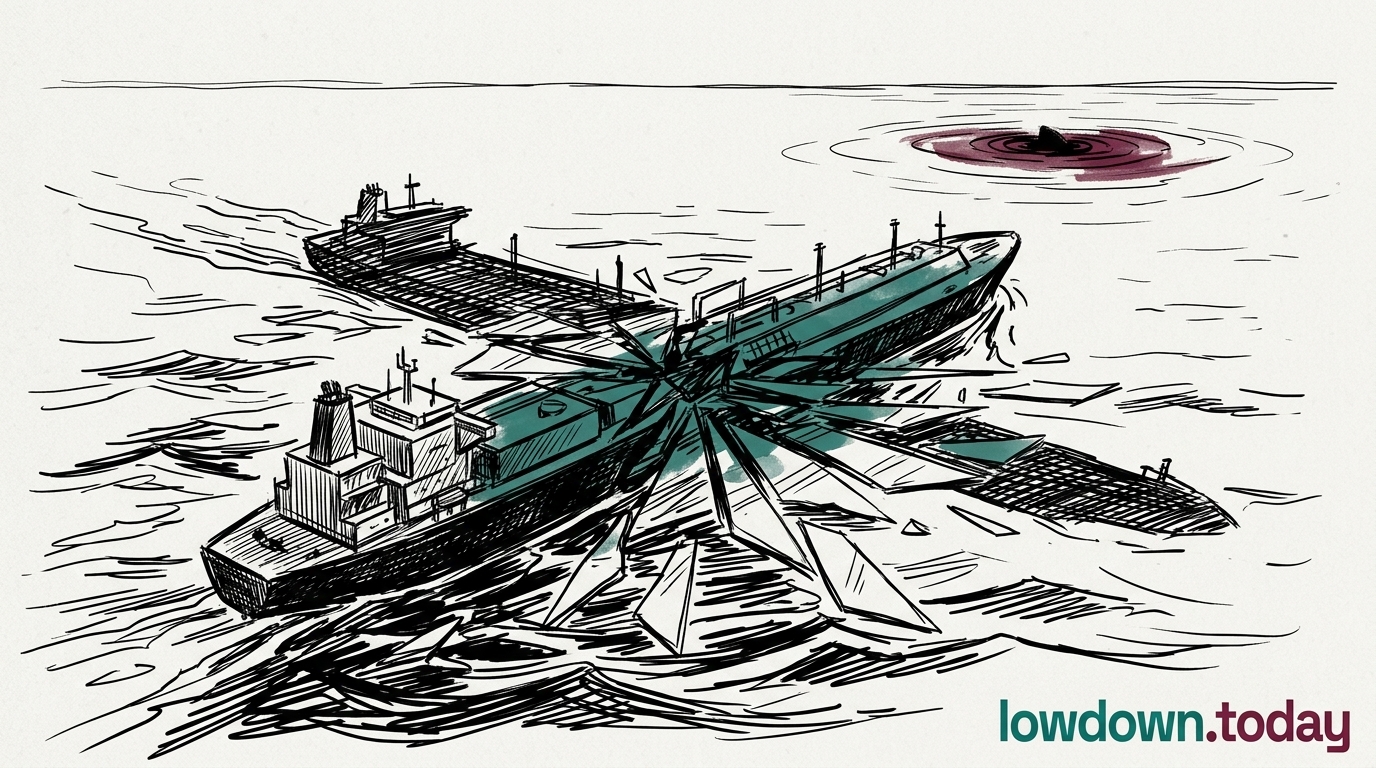
Bundesnetzagentur (BNetzA), Germany's federal network regulator, opened the first 4.5 GW StromVKG capacity auction on 21 July, bids due 8 September⁠1. StromVKG, the German capacity-market law, covers dispatchable gas and long-duration storage of ten hours or more on 15-year contracts. BNetzA opened it without EU state-aid clearance and without Berlin consulting Brussels first.

BNetzA had itself confirmed the clearance gap on 10 July, nine days before opening bids into it; the law had passed on 9 July with a 41% higher bid ceiling. BNetzA president Klaus Mueller said the auctions would run "as quickly and carefully as possible"⁠2.

A gas plant that cannot clear on the spot spark needs a capacity payment to stay in the mix, and StromVKG backstops precisely the merchant-signal failure the German injection stall now documents. Fifteen-year commitments signed from 8 September carry clawback risk if the Commission later refuses clearance. Some counsel argue the scheme's levy-based financing may not involve state resources at all, which would place it outside Article 107 review and moot the pending-clearance risk entirely. Should the Commission instead judge the levy to draw on state resources, every contract awarded from 8 September falls back into Article 107 exposure.

Deep Analysis

In plain English

Germany wants gas-fired power plants and long-duration storage to be available even when the grid is under strain, so it is paying selected operators to be ready, a 'capacity market', funded through a surcharge added to network charges rather than general taxation. The EU normally has to check this kind of scheme in advance to make sure it doesn't unfairly favour German companies over rivals elsewhere in Europe, a process called state-aid clearance. Germany's regulator opened the first round of bidding for these contracts before that EU check was finished. Germany's legal argument is that because private grid operators, not the government directly, collect and pay out the money, the scheme falls outside the rules that require the check. Britain tried something similar in the 2010s and its scheme got frozen by a court for nearly two years once a legal challenge succeeded, which is the risk German bidders are now taking on.

Deep Analysis
Root Causes

BNetzA's own auction documentation, last revised 10 July, already flags the missing state-aid clearance, meaning the regulator opened bidding with the gap disclosed rather than overlooked. That sequencing choice rests on the PreussenElektra-line legal argument that TSO-administered surcharges are not state resources, a reading the Commission has not confirmed for this specific scheme.

The deeper structural driver is timing pressure: StromVKG's 9 July Bundestag passage raised the bid ceiling 41% and left BNetzA with a legislative mandate to open the first tranche promptly, creating an incentive to proceed on the TSO's own legal reading rather than wait for a Commission process that, on the UK precedent, can run well over a year.

Escalation

Direction is toward eventual Commission scrutiny rather than away from it: BNetzA's own documentation flags the gap rather than disputing its existence, which typically precedes a formal Commission inquiry once a competitor or third party lodges a complaint, as happened in the UK case.

What could happen next?
  • Risk

    Capacity contracts awarded before Commission clearance carry retroactive clawback exposure if the surcharge is later found to be state aid, on the UK Tempus Energy precedent.

    Long term · Reported
  • Consequence

    Legal uncertainty is likely already priced into the auction's clearing level via the 41% bid-ceiling increase passed on 9 July.

    Immediate · Reported
  • Precedent

    A formal Commission inquiry, should one open, would likely follow the UK pattern of a mid-scheme suspension rather than blocking the mechanism outright.

    Medium term · Suggested
First Reported In

Update #29 · Germany's caverns stop buying gas

ESS News· 23 Jul 2026
Read original →
Different Perspectives
South Korean foreign ministry
Seoul said on 20 October it will withdraw some Kyiv embassy staff, citing no constructive steps from Kyiv since it recalled its ambassador over the disclosure of two North Korean prisoners. A chargé d'affaires and consular staff stay, and Seoul says its aid continues.
Alexander Lukashenko
Lukashenko said on 22 October that talks with the US show progress despite problems, which he said were highlighted with the exchange of political prisoners for the lifting of sanctions. He said Minsk keeps its promises and wants the US to deliver its side in full.
Moldovan government (Daniella Misail-Nichitin)
Moldova has pulled its border guards and customs officers from four crossings on Ukrainian soil after Russian strikes near the border. Interior Minister Daniella Misail-Nichitin said Chisinau is weighing moving Ukrainian checkpoints onto Moldovan territory.
Péter Magyar
Péter Magyar
Magyar told RTL that Ukrainian maize may cross Hungary in sealed trains bound for Western Europe. He set one condition: the cargo must only transit the country.
Donald Tusk
Donald Tusk
Tusk said Warsaw would seek an explanation from Kyiv for the drone's route across Poland. He said Poland allows no operations over its territory without its explicit consent.
Mindaugas Sinkevičius
Lithuania's prime minister said the Ukrainian drone that exploded in Pasvalys district on 18 October carried explosives and entered from Poland through the Schengen zone. Earlier drones over Lithuania had come from Belarus, not through allied airspace.

Written with AI from Lowdown's published reporting. Not individually reviewed by an editor. Editorial standards.