Skip to content
You can now search across every topic, entity and event.What's new
European Energy Markets
23JUL

Germany's caverns stop buying gas

1 min read
19:31UTC

German gas caverns effectively stopped injecting on 21 July, the day the country's clean spark spread stayed negative, even as EU storage kept climbing on peripheral fill. TTF held above EUR 62 and EUA carbon hit a fresh EUR 83.20 high, keeping the spark underwater. Bundesnetzagentur opened its first StromVKG capacity auction into an unresolved EU state-aid gap.

Key takeaway

German storage stalled on a negative spark the same week Berlin bid capacity contracts without state-aid clearance.

This briefing mapped
Economic
Regulatory

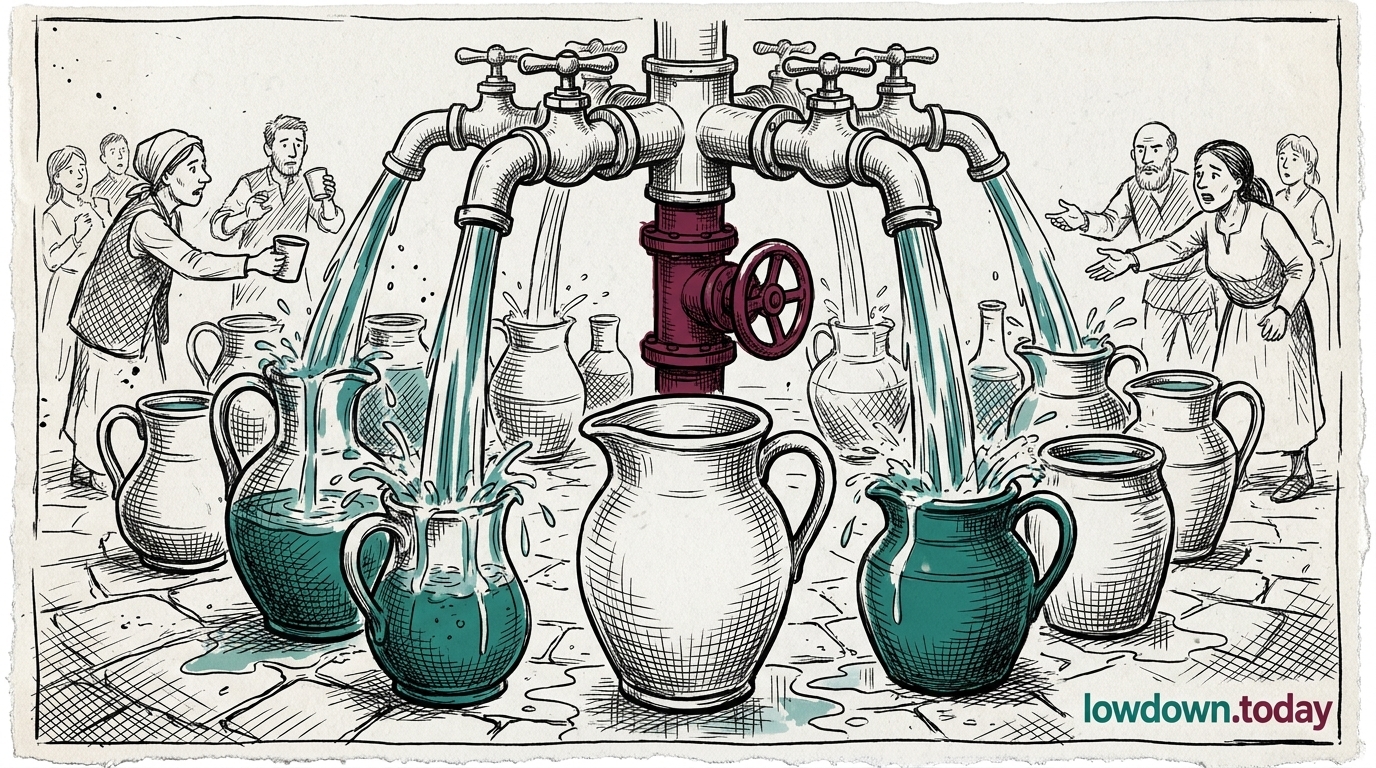
German net cavern injection collapsed from 530.7 GWh a day to 0.8 on 21 July, the session Germany stopped being Europe's marginal gas buyer while EU aggregate fill still climbed.

Sources profile:This story draws on neutral-leaning sources

German storage effectively stopped bidding for prompt gas on 21 July, net cavern injection flatlining at 0.8 GWh/day as the negative clean spark spread made injection uneconomic, ceding Germany's role as the market's marginal gas buyer while the EU aggregate kept climbing to 54.41% on peripheral injection alone.

German injection falling to 0.8 GWh/day in July shifts the winter-refill burden onto peripheral estates even as the EU aggregate keeps rising. 

TTF settled EUR 62.4/MWh on 22 July and EUA carbon broke EUR 83.20, both power-clearing inputs still rising as the France-Germany day-ahead discount compressed to EUR 5.37.

Sources profile:This story draws on neutral-leaning sources

The negative spark spread hardened into a standing condition on 22 July rather than a one-day print: both power-clearing inputs kept rising together for a second straight session, TTF settling EUR 62.4/MWh (highest since the war began) alongside a fresh EUA high of EUR 83.20/tonne.

TTF and EUA rising together for a second session makes the negative spark a standing condition, not a one-day print, and nearly erases France's day-ahead discount. 

Bundesnetzagentur opened Germany's first 4.5 GW StromVKG capacity auction on 21 July with bids due 8 September, before Brussels has cleared the scheme for state aid.

Sources profile:This story draws on neutral-leaning sources

Bundesnetzagentur opened the first 4.5 GW StromVKG capacity auction on 21 July, with bids due 8 September, without EU state-aid clearance and without consulting Brussels first.

Opening 15-year capacity contracts on 21 July without EU state-aid clearance exposes every award from 8 September to clawback if Brussels later refuses the scheme. 

Sources:ESS News
Closing comments

Direction: up on the regulatory track even if spot prices ease. The specific mechanism is the 8 September StromVKG bid deadline: if the European Commission has not granted state-aid clearance by then, Brussels can either open formal state-aid proceedings against the scheme or let awards proceed and claw them back later, and either path becomes the next concrete decision point. On the market side, a third consecutive session of TTF and EUA rising together would be the trigger for Bundesnetzagentur's early-warning phase to face pressure to escalate to alert, the first such move since the phase opened in July 2025.

Different Perspectives
Bundesnetzagentur
Bundesnetzagentur
Bundesnetzagentur opened the first 4.5 GW StromVKG capacity auction on 21 July, bids due 8 September, without waiting for EU state-aid clearance. Berlin is treating Germany's 24% share of EU storage as urgent enough to move first on capacity and negotiate the state-aid question with Brussels afterwards.
European Commission
European Commission
State-aid approval for StromVKG has not been granted, a status Bundesnetzagentur's own scheme page confirms, and Brussels was not consulted before the auction opened. Every award from the 8 September deadline stays exposed to a formal proceeding or clawback once the Commission rules.
Oxford Institute for Energy Studies
Two straight sessions of negative clean spark spread confirm gas has stopped setting German power prices cleanly; CCGT dispatch now follows the spread's sign, not storage need. Caverns quitting the prompt bid on 21 July is that mechanism working exactly as the structural read predicts.
TTF trading desks
TTF trading desks
Desks are reading the inversion as an injection-arbitrage trade: buy TTF at EUR 62.4/MWh now, accept the near-term loss on the spread, and sell into the winter strip once caverns are forced back into the market. The 0.8 GWh/day German print makes that trade increasingly asymmetric.
French industrial power consumers
France's day-ahead discount to Germany has nearly closed as TTF and EUA rise together on both sides of the border, eroding the arbitrage French industry relied on through the summer. A standing negative spark removes the German demand buffer that kept that spread wide.
