Skip to content
Briefings are running a touch slower this week while we rebuild the foundations.See roadmap
Russia-Ukraine War 2026
22MAY

Grid strike deadline looms over Iran

2 min read
10:57UTC

The third energy ultimatum expires on 6 April with no extension announced. Previous deadlines were extended days in advance.

ConflictAssessed
Key takeaway

Enforcing the deadline fractures alliances; extending it again exhausts the threat.

Trump's third energy deadline expires at 8pm EDT on 6 April . Iran must reopen the strait of Hormuz or face strikes on 15 identified power grid nodes, a scenario analysts project would leave Iran without electricity until 2027. No extension has been announced as of 4 April morning. Prior extensions came two to three days in advance. 1

The deadline arrives in a changed context. France and Japan just transited Hormuz by paying Iran. The US lost its first aircraft. Iran's Majlis voted 221-0 to suspend IAEA cooperation . The previous two deadlines (16 March, 23 March) were extended; the third was set for 6 April on 27 March. Each extension eroded the threat's credibility.

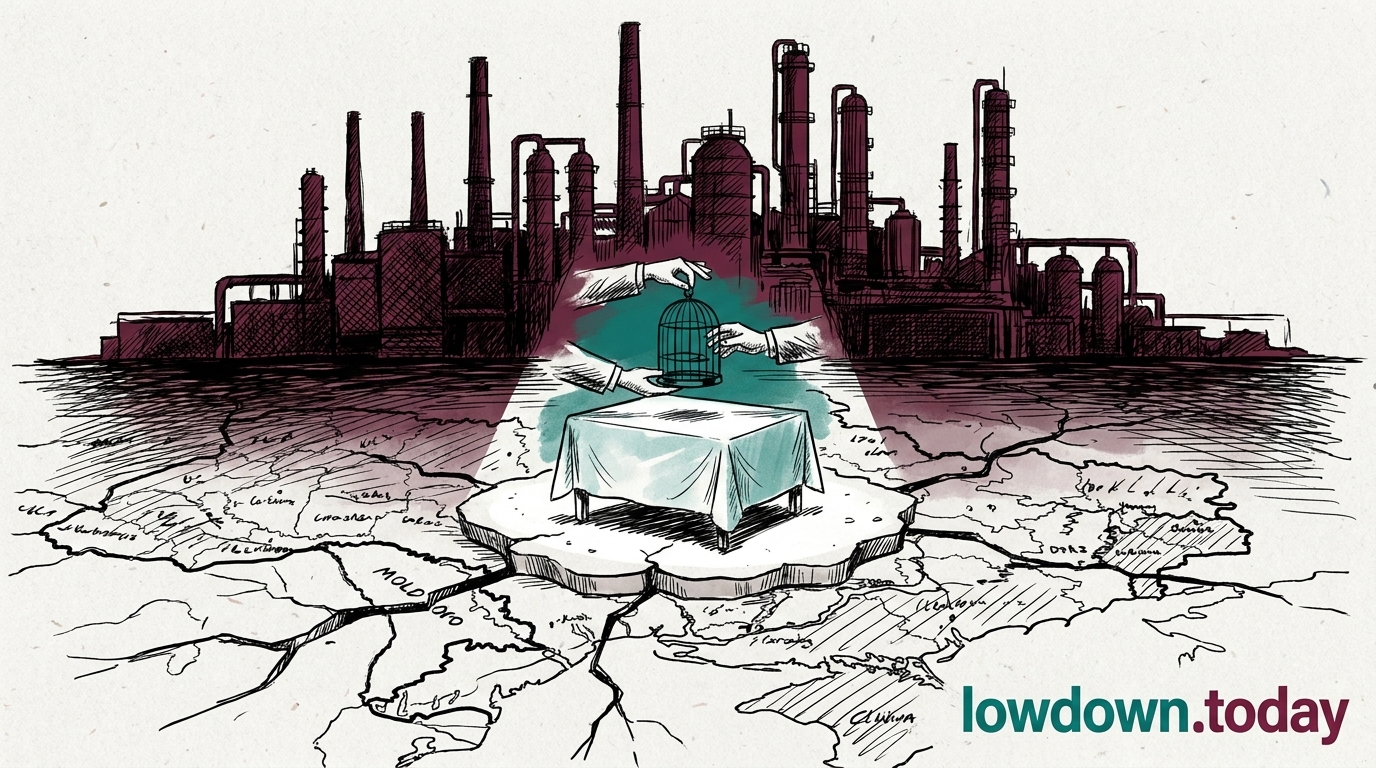
Three outcomes: grid strikes, a fourth extension, or quiet abandonment. Enforcing it now would require strikes against civilian power infrastructure while allies actively pay Iran for passage. Not enforcing it would confirm the deadline mechanism is spent.

Deep Analysis

In plain English

Trump has three times set a deadline for Iran to reopen the Strait of Hormuz or face strikes on its power grid. The third deadline expires on 6 April. The previous two were extended at the last minute. As of 4 April, no extension has been announced, but France and Japan just paid Iran to use the strait. If Trump enforces the deadline, he strikes civilian infrastructure while allies are doing deals with Iran. If he extends again, the threat stops meaning anything.

Deep Analysis
Root Causes

Each deadline extension was driven by allied pressure and the absence of a clear enforcement trigger. France, Germany, and the UK lobbied against grid strikes on civilian infrastructure at each previous extension.

The Pakistan-Vance back-channel before Kharazi's wounding provided a diplomatic off-ramp that justified delay. Neither factor has been resolved; both have worsened as France and Japan's transits signal the collective posture is already broken.

What could happen next?
  • Risk

    Grid strikes on civilian power infrastructure would trigger a European and UN response that fractures remaining alliance support for the campaign.

    Immediate · High
  • Consequence

    A fourth extension would confirm the deadline mechanism is exhausted, removing coercive pressure on Iran permanently within this conflict.

    Short term · High
  • Opportunity

    Quiet abandonment of the deadline, without announcement, could allow face-saving de-escalation if paired with a back-channel ceasefire signal from Pezeshkian.

    Short term · Low
First Reported In

Update #58 · First US aircraft fall over Iran

CNBC / Al Jazeera / NPR· 4 Apr 2026
Read original
Different Perspectives
Rafael Grossi, IAEA Director General
Grossi's Update 349 of 7 May recorded a drone strike on ZNPP's radiation monitoring laboratory on 3 May. Rosatom's 17 May public attack on the Secretariat's neutrality degrades the diplomatic ground Grossi needs for the sixth repair ceasefire at day 60 on the single backup line.
Indian Government / Embassy Moscow
The Indian Embassy in Moscow confirmed on 18 May that an Indian national was killed and three hospitalised at a refinery construction site in the 17 May barrage. India is among the largest buyers of discounted Russian crude; the fatality forces a diplomatic protest without changing the purchasing posture.
Recep Tayyip Erdogan, Turkish President
Erdogan met Zelenskyy in Ankara for nearly three hours on 15 May before the Istanbul session, recovering Turkey's 2022 mediator role and reducing Trump's leverage by hosting bilateral talks without Washington in the room. Turkey hosts the NATO Ankara summit on 7-8 July; the Istanbul format gives Erdogan standing at both tables simultaneously.
Viktor Orban / Hungarian Government
Budapest's new cabinet, formed 12 May, holds the institutional veto point on the EU tranche disbursement ahead of the first-half June window. Hungary has previously leveraged EU loan tranches to extract bilateral concessions; the combination of a fresh cabinet and a tight disbursement timeline makes Budapest the single highest-leverage actor in the EU track this fortnight.
European Council / Commission
The Commission is preparing a three-document disbursement package for the 9.1-billion euro first tranche of the EU loan to Ukraine, targeting first-half June, but delivery depends on the Magyar cabinet, which formed on 12 May, not blocking the mechanism. The 20th sanctions package remains in force against Russia.
Donald Trump / US Treasury
Treasury issued GL 134C with a 48-hour gap after GL 134B expired, confirming the waiver series functions as permanent monthly management rather than a wind-down instrument. Washington was absent from the Istanbul room; Treasury Secretary Bessent framed the Cuba carve-out as protecting 'most vulnerable nations', maintaining the fiction that the 30-day bridge has a humanitarian rationale.
