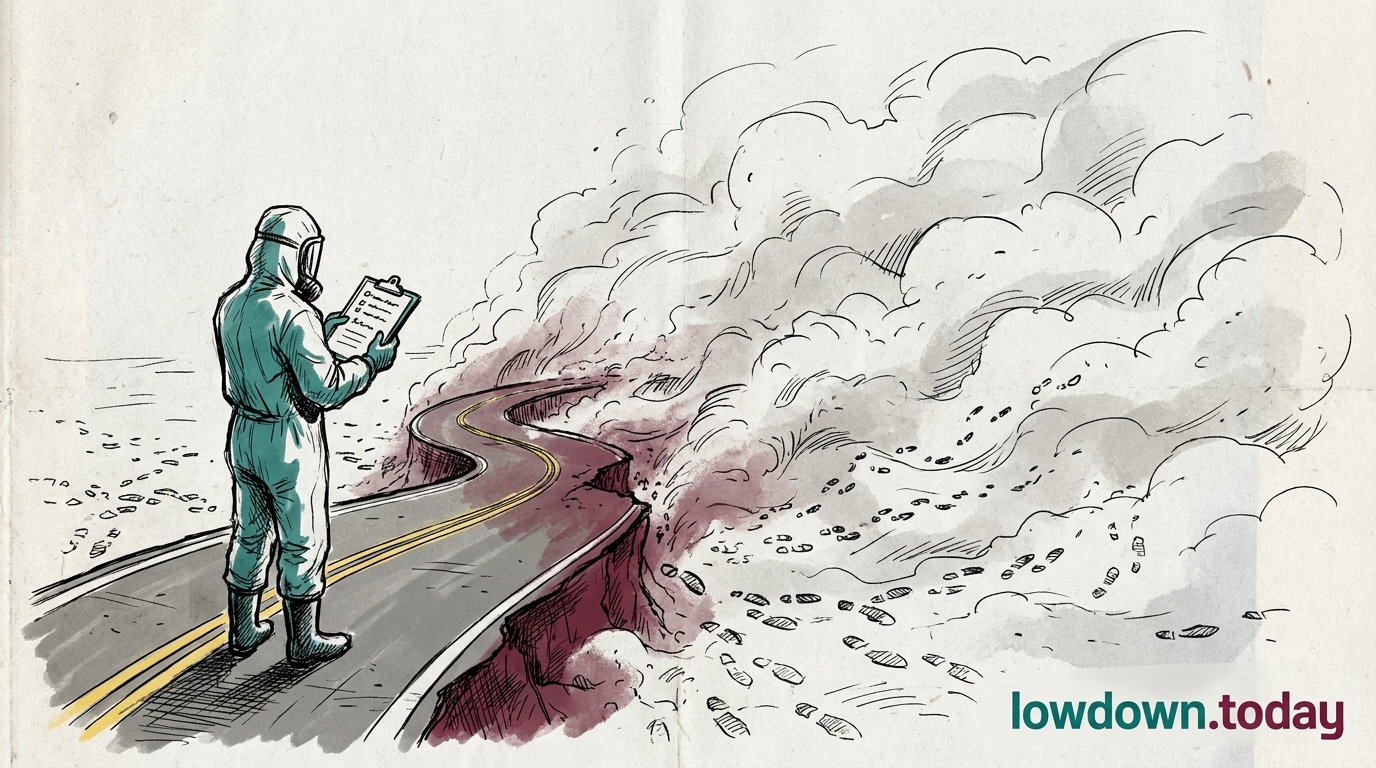
Jean Kaseya, Director-General of Africa CDC, said in a two-month assessment published in mid-July that WHO estimates true Bundibugyo infections at two to four times the confirmed count1. He gave three reasons: incomplete contact lists, deaths that occur before anyone is tested, and insecurity blocking access to parts of Ituri. Africa CDC is the African Union's continental public health agency and co-leads this response alongside WHO. "Most new cases still come from the community rather than identified contact lists," Kaseya said2.
That multiplier reaches into every percentage in this outbreak. Isolation coverage is calculated against confirmed cases, so widening the denominator two to four times drops it into single figures or low double figures, far below the threshold the CDC's June model names as the point where transmission collapses. The confirmed count is the only number anybody can cite; it is also the smallest defensible one.
Kaseya also gave the treatment trial its first timeline. Roughly 60 patients have now been enrolled across the MBP134, REGN3479 and obeldesivir arms, with results expected two to three months from mid-July, so around September or October3. The trial launched in mid-June with those three arms and no enrolment figure attached.
Sixty is a thin cohort for a three-arm trial, and the enrolment pipeline runs through the same isolation wards now closing or emptying. A randomised filovirus trial needs patients presenting early enough for a therapeutic to matter, which means patients the response found rather than patients who arrived dying. Untraced transmission and a September readout pull against each other: the sicker and later the arrivals, the harder it becomes to show any of the three arms worked.



