Skip to content
Welcome, thoughtbot's Giant Robots listeners!Start here
Iran Conflict 2026
9MAY

Brent clears $100 first time since May

2 min read
17:21UTC

Brent settled near $101 on 23 July, its first close above $100 since May, yet southern Red Sea war-risk premiums at 0.75% of hull value still sit far below the 5% Hormuz band.

ConflictDeveloping
Key takeaway

War-risk cover reprices on losses, so watch the next re-mark after the Encelia and Layla strikes.

Brent crude traded through $100 a barrel for the first time since 26 May, settling near $101 on 23 July after an 8% single-session jump, with WTI around $92 to $93⁠1. Brent is the international seaborne benchmark; WTI, its US counterpart, is delivered inland at Cushing, Oklahoma, and carries less chokepoint exposure. The move was a fifth consecutive up-day and left Brent roughly 38% higher month-to-date. Red Sea war-risk cover tells a cooler story. Hull premiums for southern Red Sea transits rose 150% to about 0.75% of hull value after the 20 July blockade, still a fraction of the roughly 5% band underwriters now charge for Strait of Hormuz transits⁠2.

Underwriters reset on evidence of loss, not on a blockade declaration. As of 19 July no merchant ship had been hit in the southern Red Sea, so the premium sat low. The 23 July strikes on the Encelia and Layla are the first realised losses in the basin, and the next re-mark will show whether Bab el-Mandeb closes toward the Hormuz number or holds well below it.

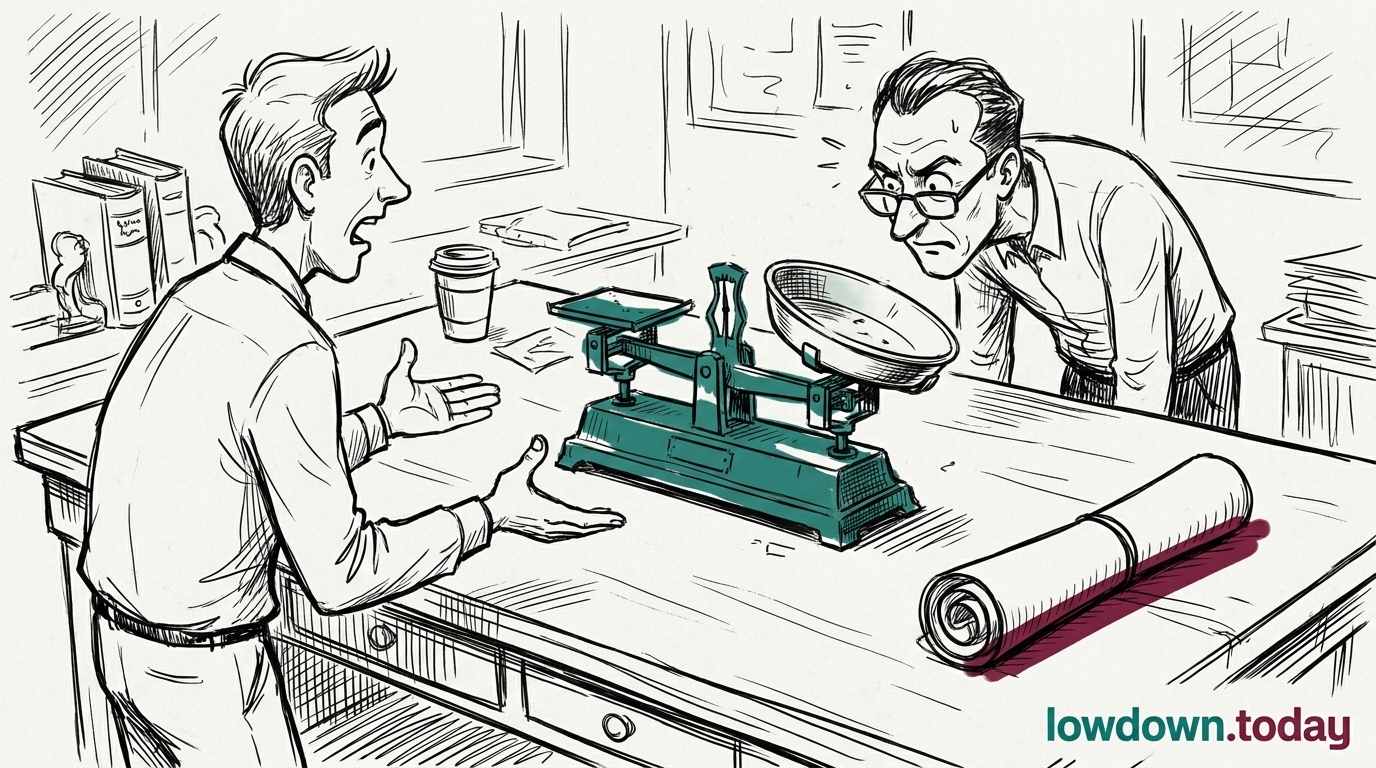
The gap between a $101 flat price and a 0.75% war-risk loading matters for anyone pricing a Med-delivered cargo. The freight and insurance legs carry the physical chokepoint story; the flat price carries the headline. When the two diverge this far, the delivered-cost read sits with the underwriters, not with the screen.
Deep Analysis

In plain English

Brent Crude is the main international price benchmark for oil; when people say 'the oil price', they usually mean Brent. It settled near $101 a barrel on 23 July, the first time it has closed above $100 since 26 May. War-risk insurance is a separate cost shipowners pay to cover their vessel against attack in a dangerous area, priced as a percentage of the ship's value. The Red Sea premium jumped 150% but is still far below the roughly 5% charged for the strait of Hormuz, because insurers only raise prices once they have seen actual attacks in a given area rather than warnings alone. That gap matters because it shows the oil price reacting faster to overall danger than the insurance market is reacting to the Red Sea specifically. Insurance costs will likely keep climbing if strikes on Saudi-linked tankers continue.

Deep Analysis
Root Causes

War-risk hull premiums are set by a small syndicate market centred in London and Scandinavia that prices on realised loss history within a defined geographic box, not on political risk assessments. The Red Sea box has recorded fewer confirmed hull losses than the Hormuz box accumulated over the preceding weeks of strikes, which is the direct mechanical reason its premium still sits at roughly a seventh of the Hormuz level.

Brent's move through $100 draws on both boxes simultaneously: the futures market prices aggregate supply risk across the whole Gulf-Red Sea theatre, while hull insurance prices each chokepoint separately, so the benchmark can outrun the insurance market's slower, evidence-based repricing.

What could happen next?
  • Precedent

    If Red Sea war-risk premiums converge toward the Hormuz band, insurance costs alone could add several dollars a barrel to Mediterranean-bound cargoes independent of any further crude price move.

First Reported In

Update #19 · Second chokepoint doubles Med freight

TradingEconomics· 23 Jul 2026
Read original →
Causes and effects
Different Perspectives
Office for Budget Responsibility
The OBR's 28 October forecast assumed $82 oil for 2026 and 2027, from market prices for the ten working days to 19 August, and blamed dearer wholesale energy on the war without naming Iran. It expects CPI inflation close to 4% in early 2027 even at that price.
Hengaw, Kurdish rights group
Hengaw reported the 3 November hangings of Amirhossein Maleki and Amirhossein Ebrahimi in Isfahan, saying Ebrahimi was tortured into confessing and that nine of 12 people sentenced to death in the case have now been hanged. Iran's judiciary holds that the defendants killed members of the security forces.
FINTRAC, Canada's financial intelligence unit
FINTRAC worked with the US Treasury on the 6 November designation of eight money services businesses in British Columbia, Ontario and Quebec. Treasury says the businesses still operate, some under new names, so closing them falls to Ottawa.
Abdul Qadir al-Dakhil, Governor of Nineveh
Al-Dakhil cancelled three Mosul International Airport contracts on 7 November over alleged links to armed groups, after meeting Prime Minister Ali al-Zaidi in Baghdad. He named no group or company, and said the contracts will go to international companies.
Kuwait
Kuwait
Kuwait condemned the Houthi missile fired towards the Madinah region on 5 November and restated its support for Saudi Arabia, the Qatar News Agency reported. Its state tanker company, Kuwait Oil Tankers Company, is among the Gulf state fleets on Iran's expanded Hormuz list.
Scott Bessent, US Treasury Secretary
Treasury designated an alleged Chandigarh false-flag network on 4 November and eight Canadian exchangers on 6 November, while State sanctioned alleged MANPADS intermediaries. None of the actions touches an oil buyer; they target the paper, cash and procurement around Iran's trade.

Written with AI from Lowdown's published reporting. Not individually reviewed by an editor. Editorial standards.