Skip to content
Briefings are running a touch slower this week while we rebuild the foundations.See roadmap
Iran Conflict 2026
7MAY

Shadow fleet: 80% of Hormuz traffic

1 min read
12:43UTC

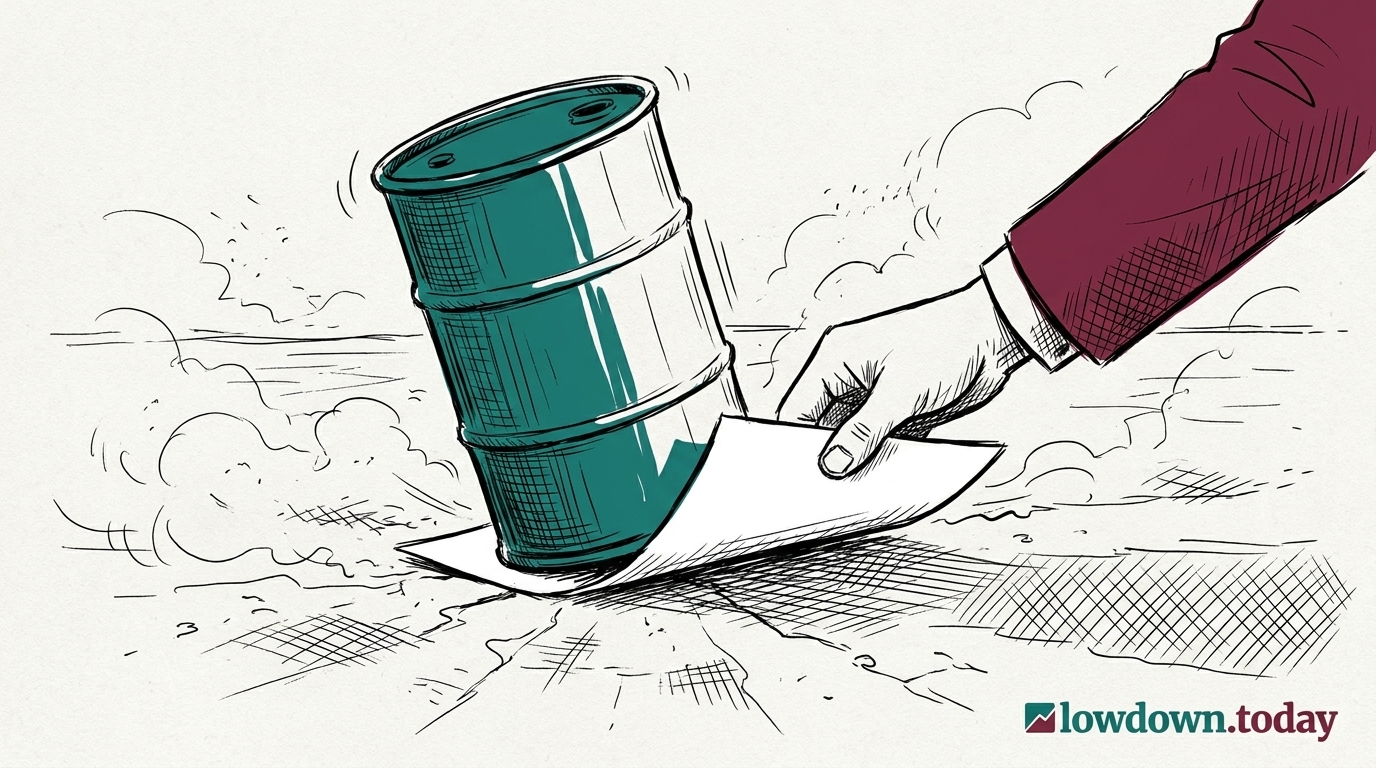
Eighty per cent of March Hormuz transits were shadow fleet vessels. Legitimate commercial shipping has effectively stopped: three transits per day against a pre-war baseline of 138.

ConflictAssessed
Key takeaway

Legitimate Hormuz shipping has fallen 98% from pre-war levels.

AIS tracking data for March shows shadow fleet vessels accounting for 80% of Hormuz transits, up from 15% in February. 1 Legitimate commercial traffic has fallen to approximately three transits per 24 hours against a pre-war baseline of 138. Of all transits: 24% Iranian-affiliated, 15% Greek, 10% Chinese.

Trump claimed '20 big boats of oil going through Hormuz starting tomorrow morning.' Independent AIS tracking does not corroborate this. The transit composition tells its own story: a reorganisation of maritime traffic to benefit non-US-aligned operators, denominated in Chinese yuan, under IRGC naval supervision. The Hormuz toll system is operational, charging up to $2 million per vessel .

The pre-war baseline of 138 daily transits carried roughly 20 million barrels per day of crude and product exports. Three transits per day represents a 98% reduction in legitimate commercial shipping. The IEA confirmed a 20 million barrel per day disruption through Hormuz in its March report, substantially higher than the 8 million barrel per day production disruption commonly cited.

The diplomatic narrative of ships 'getting through' collapses against this primary data. Pakistan's bilateral deal for 20 additional vessels at two per day and Japan's earlier transit grant do not constitute reopening. They constitute selective passage granted by the IRGC to non-belligerents on Iran's terms. The Majlis Hormuz toll bill, expected to be finalised this week , would embed that control in Iranian domestic law.

Deep Analysis

In plain English

Before the war, about 138 ships passed through the Strait of Hormuz every day, carrying oil and other goods. Now it is down to about three ships per day. The other ships using the strait are mostly 'shadow fleet' vessels, ships that operate outside normal tracking and regulatory systems and are linked to Iran, Russia, and other sanctioned states. Trump said on 30 March that '20 big boats of oil' were going through Hormuz 'tomorrow morning.' Independent ship tracking data shows this is not accurate. The strait is not freely open. Iran is running a system where it decides which ships can pass, and charges them up to $2 million per voyage. The payments are made in Chinese yuan, not dollars. The people benefiting from what little traffic still moves are Iran and its aligned partners, not the Western countries the US is fighting to protect.

What could happen next?
  • Consequence

    The Hormuz 'reopening' narrative Washington promotes is contradicted by AIS data showing a 98% collapse in legitimate commercial transits. The strait is open to Iran's allies on Iran's terms.

  • Risk

    The Majlis Hormuz toll bill, expected to be finalised this week, would embed IRGC transit control in Iranian domestic law, making any future negotiated reopening constitutionally more complex.

First Reported In

Update #52 · Trump wants Iran's oil; 3,500 Marines land

USNI News / CNBC· 30 Mar 2026
Read original
Different Perspectives
International human rights monitors (NetBlocks, IHR, Hengaw)
NetBlocks recorded 1,704 cumulative hours of near-total internet blackout for roughly 90 million Iranians on Day 74, while IHR documented ongoing executions under emergency provisions. These organisations are the only active monitoring windows into a civilian population cut off from the global internet for 71 consecutive days.
UK / France coalition
The Royal Navy confirmed HMS Dragon's Hormuz deployment on its own website on 11 May, converting a press-reported presence into declared force posture; UK and French defence ministers hosted a coalition meeting the same day. Britain and France are now the only named contributors to a Hormuz escort mission all five allies Trump originally asked had declined.
Saudi Aramco / Gulf producers
Saudi Aramco CEO Amin Nasser warned on 11 May that a Hormuz closure could remove 100 million barrels of weekly supply from global markets (roughly 15 million barrels per day for a week), a figure that dwarfs any OPEC+ swing capacity. The warning functions as both a price-floor signal and a public pressure on Washington to protect transit.
Beijing / Chinese Government
China has not publicly acknowledged the four Hong Kong-registered entities designated on 11 May or extended MOFCOM's Blocking Rules cover to HK-domiciled firms. Xi Jinping hosts Trump on 14–15 May having already de-risked state-bank balance sheets via NFRA's quiet loan halt, entering the summit partially compliant before any negotiation.
Tehran / Iranian Government
Foreign Minister Araghchi described Iran's 10-point counter-proposal as 'reasonable and responsible' via spokesman Baqaei on 11 May, and widened the mediator pool by meeting Turkish, Egyptian, and Dutch counterparts in a single day. Tehran is buying procedural runway while Trump's verbal rejection went unmatched by any written US counter.
Trump White House
Trump White House
Trump called the ceasefire 'on massive life support' and dismissed Iran's 10-point counter-proposal as 'a piece of garbage' on 11 May, while departing for Beijing two days later with no signed Iran instrument to show Congress. The verbal maximum and the paper void coexist: the administration is running a legal pressure campaign through Treasury while the president free-lances the rhetoric.