Skip to content
You can now search across every topic, entity and event.What's new
Iran Conflict 2026
20APR

EU cap fight turns on months, not price

2 min read
10:10UTC

EU foreign ministers vote on 13 July on the 21st sanctions package, two days before a deadline that would auto-lift the $44.10 Russian oil cap; Greece, Cyprus and Malta want a shorter freeze than Brussels.

ConflictDeveloping
Key takeaway

EU ministers vote 13 July on whether to freeze the Russian oil cap three months or to January 2027.

EU foreign ministers are set to vote on the bloc's 21st sanctions package on 13 July, two days before a 15 July deadline that would otherwise auto-lift the $44.10 cap on Russian oil. The Kyiv Independent reported the schedule, citing EU diplomats. 1 The cap bars Western insurers and shippers from servicing Russian crude sold above the set ceiling; letting it lapse would remove that ceiling and loosen the constraint on Moscow's barrels.

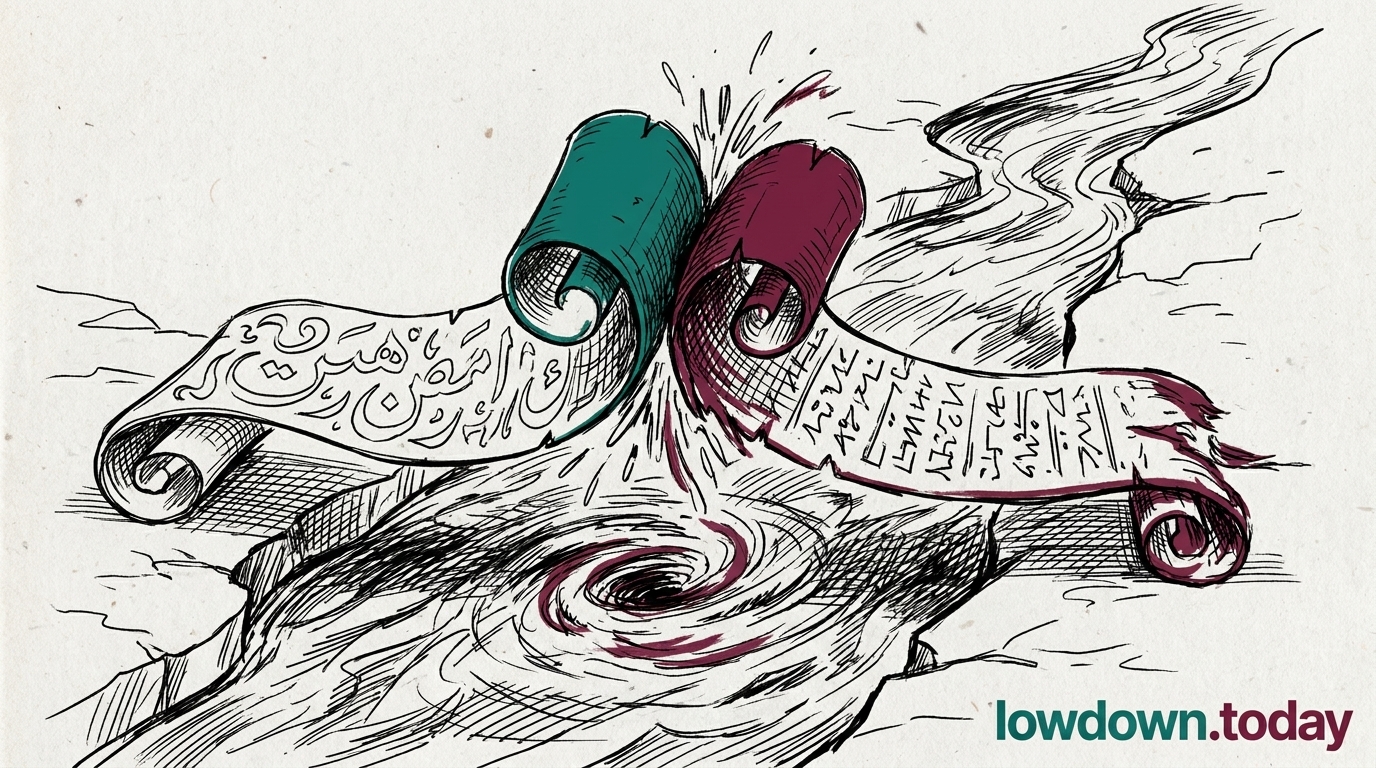
The package advances the proposal the Commission tabled in late June , but the fight has narrowed to duration. Greece, backed by Cyprus and Malta, is pushing a three-month freeze to be revisited in the autumn, against The Commission's plan to hold the cap to January 2027 . Both sides accept the level; they disagree only on how long to hold it.

A freeze to January 2027 locks the cap through the first quarter of next year; the three-month version reopens it for review around October. That is a materially shorter runway for any Urals-linked hedge than the desk has been pricing, and the outcome lands inside a week. Whichever way the vote goes, it resets how long traders can rely on the cap rather than the physical market to bound Russian barrels.

Deep Analysis

In plain English

The EU has capped the price other countries can pay for Russian oil at $44.10 a barrel since early 2026, to limit how much Moscow earns from oil exports. That cap is due to lift automatically on 15 July unless EU foreign ministers vote to freeze it first, and they are now set to vote on 13 July. Greece, Cyprus and Malta, all major shipping nations, want a shorter three-month freeze reviewed again in the autumn rather than dropping the cap itself. The European Commission wants the freeze locked until January 2027 instead. Whichever wins shapes how confidently traders can plan around Russian oil for the rest of the year.

Deep Analysis
Root Causes

Greece's and Malta's shipping registries carry a combined 37% of world merchant tonnage, roughly 20% Greek-flagged and 17% Maltese-flagged. Much of that fleet earns revenue carrying cargo, including sanctioned barrels, that a stricter or longer freeze could put at commercial risk.

That fleet economics, more than any view on Russia policy, explains why Athens and Valletta keep pushing the shorter compromise: a freeze reopened in the autumn gives their registries and insurers more frequent chances to reprice risk than one locked to January 2027.

What could happen next?
  • Precedent

    If Greece, Cyprus and Malta again force a shorter compromise, as they did on the 20th package's maritime ban, it confirms shipping-registry economics as a structural veto point on EU energy sanctions rather than a one-off objection.

First Reported In

Update #14 · Brent-WTI blows out as the hike lands priced

Kyiv Independent· 6 Jul 2026
Read original
Different Perspectives
Jordan
Jordan
Jordan's armed forces downed three Iranian missiles on Tuesday with no casualties, a second successful interception since the 19 July strike on Muwaffaq Salti that killed three US service members. Amman has neither confirmed nor denied ISW's assessment that its intelligence sharing is a Russia-China cover story.
Operation Aspides
Operation Aspides
Operation Aspides has not needed to intervene against the Houthi Bab al-Mandab embargo: six vessels, including the Chinese VLCC Xin Long Yang, reversed course after radio hailing alone, with no vessel boarded, fired on or stopped by force.
Pete Hegseth, US Secretary of War
Hegseth told the Senate Appropriations Committee the campaign has cost $37.5 billion so far, without saying whether the figure is obligated, appropriated or incremental. It is the first cost Washington has put on the war, arriving as OMB seeks $87.6 billion for the wider supplemental.
Iran's IRGC and Artesh
Iran's IRGC and Artesh reported destroying radar and Patriot installations at four Gulf bases on Tuesday night, the fifth dated iteration of the same claim against the same sites since 13 July. Neither Kuwait nor Bahrain has named or confirmed a single base as destroyed.
Saudi Arabia
Saudi Arabia
Riyadh has pressed Washington to end the Hormuz blockade specifically to remove Tehran's incentive for the Houthis to escalate Bab al-Mandab beyond radio warnings. It treats the embargo as coordinated pressure on Saudi shipping tied to the Hormuz campaign, not an independent Yemeni action.
Kuwait's Ministry of Electricity, Water and Renewable Energy and defence ministry
Kuwait reported power and desalination stations struck for a fourth consecutive day and four cruise missiles plus 21 drones intercepted since dawn Wednesday, while its defence ministry statement used only the word interception, never destruction. Kuwait has confirmed no Iranian claim of a destroyed base.